
Allergic rhinitis can make sleep harder when symptoms such as a stuffy or runny nose, itching, sneezing, or watery eyes continue at night. They may delay sleep, cause awakenings, encourage mouth breathing, and leave you tired the next day.
Research does find an association between allergic rhinitis and poorer sleep. It does not prove that allergies caused a particular person's insomnia, snoring, or obstructive sleep apnea. A systematic review found mostly observational evidence of low or very low certainty, with inconsistent methods and many self-reported outcomes 1.
The useful question is not simply whether dust, pollen, mold, or pet material exists in a bedroom. It is whether you are sensitized to a specific allergen, encounter enough of it to be relevant, and develop symptoms that fit. A positive test or an environmental finding alone does not complete that chain.
What is allergic rhinitis?
Allergic rhinitis is inflammation inside the nose caused by an immune response to a substance that is usually harmless. Typical symptoms include nasal itching, sneezing, congestion, and a clear runny nose. Itchy or watery eyes may occur at the same time 2.
Symptoms may be seasonal, perennial, or both. Pollen often produces a repeating seasonal pattern, while indoor exposures can occur throughout the year. These labels describe a pattern, not a diagnosis. Weather, location, time spent indoors, work exposures, and mixed allergic and nonallergic rhinitis can blur the distinction.
Which inhaled allergens may matter?
Dust mites
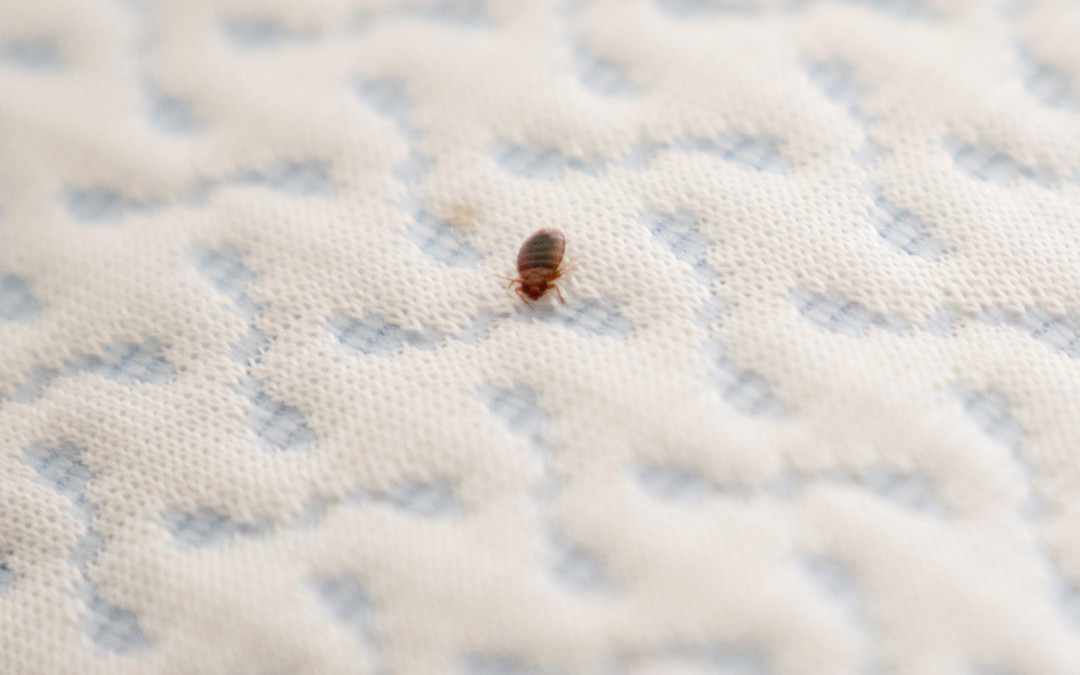
The clinically relevant material comes mainly from proteins in mite droppings and body fragments, not from a bite. Mites and their allergens can be present in bedding, carpets, upholstered furniture, and household dust. Bedding exposure may matter for someone with dust-mite allergy, but finding mites or dust in a room does not show that they caused the person's nighttime symptoms 2.
Animal allergens
Cats, dogs, and other furry animals release allergenic proteins from skin, saliva, and urine. These proteins can remain in dust and on clothing and furniture. Hair itself is not the only issue, and an animal does not need to be on the bed for allergen to reach the bedroom 2.
A symptom change around an animal is a useful clue, but it is not conclusive. Pollen, dust, smoke, fragrances, or physical activity around the same time may also contribute.
Pollen
Tree, grass, and weed pollens can enter through open windows or travel indoors on people, pets, and belongings. A similar flare during the same local pollen season each year supports the history, especially when symptoms include itching and watery eyes. Calendar dates alone are unreliable because pollen seasons vary by plant, weather, and location.
Mold
Mold can release spores and other particles, and some people develop allergic symptoms when exposed. Indoor growth points to a moisture problem that should be corrected whether or not allergy testing is positive. The U.S. Environmental Protection Agency emphasizes that controlling moisture is the key to controlling indoor mold 3.
A visible patch, a musty odor, or a commercial room test cannot determine whether mold is the cause of one person's sleep complaint. Medical sensitization and a compatible exposure history still matter 3.
Cockroach and rodent allergens
Proteins in cockroach and rodent droppings, urine, saliva, and body material can become part of indoor dust. They are established allergy and asthma triggers for sensitized people. Their presence calls for safe pest control and sanitation, but it does not mean every occupant has an allergy 4.
How nasal allergy can interfere with sleep
Congestion can make nasal breathing feel difficult when you lie down. A runny nose, sneezing, itching, or eye symptoms can interrupt settling down or wake you after sleep begins. Mouth breathing may add dry mouth or throat discomfort, and nasal blockage may make snoring more noticeable.
Daytime tiredness can reflect symptom-related sleep disruption, but other explanations are common. A sedating medicine, asthma symptoms, insufficient sleep, insomnia, or a separate sleep disorder may be responsible. Allergic inflammation is not proof that someone failed to reach a particular sleep stage.
Allergic rhinitis and obstructive sleep apnea are associated in observational research, but the direction and clinical importance of that relationship remain uncertain. Nasal congestion can add breathing resistance, yet OSA involves repeated upper-airway obstruction and requires its own evaluation. Treating rhinitis is not a substitute for sleep testing or established OSA treatment 1.
Does the pattern look like allergy, a cold, or something else?
No single symptom or time-of-day pattern can diagnose allergic rhinitis. These clues can guide a conversation with a clinician:
-
Allergy is more likely when itching of the nose, eyes, or palate accompanies repeated sneezing, clear drainage, and a recurring pattern around a plausible exposure.
-
A respiratory infection is more likely when symptoms begin as an acute illness with sore throat, fever, body aches, or sick contacts. Colds can still cause clear drainage, sneezing, and congestion, so overlap is common.
-
Nonallergic rhinitis is possible when congestion or a runny nose occurs with smoke, fragrances, weather changes, or other irritants but without a clear allergic pattern. Allergic and nonallergic rhinitis can coexist.
-
Another nasal or sinus problem needs consideration when symptoms are persistently one-sided, include recurrent bleeding, significant facial pain, reduced smell, or do not respond as expected.
The 2020 rhinitis practice parameter notes that itching and a recurring exposure or seasonal pattern support allergic rhinitis, but also stresses a detailed history and physical exam because allergic, infectious, nonallergic, and structural causes overlap 5.
Feeling worse in bed is therefore a clue, not an allergen test. Exposure from bedding or a pet may be relevant, but lying down, medication timing, dry air, reflux, asthma, and a sleep disorder can also shape nighttime symptoms.
How allergic rhinitis is evaluated
A clinician usually starts with the symptoms, their duration, suspected exposures, home and work patterns, medicines, and any history of asthma or sinus disease. A brief symptom and exposure log can help reveal a repeatable pattern without requiring you to remove several possible triggers at once.
Skin-prick testing or a blood test for allergen-specific IgE can confirm sensitization when the history is consistent with allergy. Results must still be matched to real exposure and symptoms. Testing should answer a focused question rather than label every detectable sensitization as a disease 5.
Testing becomes especially useful when the diagnosis is uncertain, symptoms remain difficult to control, targeted avoidance would require a major household change, or allergen immunotherapy is being considered.
Reducing relevant exposure
The goal is a reasonable reduction in a confirmed or strongly suspected trigger, not an “allergen-free” bedroom. Biological particles are common indoors, and reducing measured allergen levels does not always produce the same reduction in symptoms.
For dust mites
A plan may combine allergen-resistant mattress and pillow encasements, regular laundering of bedding according to fabric instructions, dust control, and moisture management. Avoid treating one pore-size claim, wash temperature, or cover as a guaranteed therapy.
A Cochrane review found that mite-impermeable bedding used by itself was unlikely to provide clinical benefit for allergic rhinitis. More extensive bedroom programs might help some people, but the trials were small and generally weak 6.
For animal allergens
Keeping an animal out of the bedroom can reduce new allergen deposition there, but existing allergen may remain in dust and fabrics. Symptom improvement is not immediate or guaranteed. Decisions about larger household changes are better made after confirming that the animal is clinically relevant and considering symptom severity.
For pollen
When a local pollen and symptom pattern matches, limiting bedroom entry of outdoor pollen may help. Practical options include closing windows during high-count periods and changing clothes or rinsing pollen from hair after substantial outdoor exposure. Use the least disruptive measures that produce a noticeable difference rather than following the calendar alone 2.
For mold and pests
Fix leaks and persistent dampness, dry wet materials, and address visible mold safely. For cockroaches or rodents, integrated pest management focuses on removing food, water, shelter, and entry points, then using traps or professional control as needed 4.
Filtration may reduce some airborne particles, but it cannot correct damp building materials, remove a pest source, or clear allergens already settled throughout a room. For purifier, filter, ventilation, and broader indoor-air decisions, see our separate bedroom air quality and allergen guide 4.
Treatments that may reduce rhinitis symptoms
Treatment should match the symptom pattern, age, health conditions, other medicines, and product instructions. A clinician or pharmacist can help choose among these categories without using drowsiness as the main goal.
Saline
A saline spray or rinse can moisturize dry passages and clear mucus. There is no single proven device, volume, or frequency for everyone. If you irrigate rather than use a prepackaged mist, follow the device instructions and use distilled, sterile, or previously boiled and cooled water. The CDC warns against using water straight from the tap for nasal rinsing 7.
Intranasal corticosteroids
Intranasal corticosteroid sprays reduce inflammation and are the preferred single medication in the 2020 practice parameter for persistent allergic rhinitis. They are not instant decongestants, and correct, consistent technique matters. Local irritation and nosebleeds can occur, so persistent problems or uncertainty about technique warrant professional advice 5.
Improving nasal symptoms may improve sleep complaints that were being driven by those symptoms. It does not make the spray an insomnia or sleep-apnea treatment.
Antihistamines
Oral second-generation antihistamines are generally favored over older first-generation products when an oral antihistamine is appropriate. Intranasal antihistamines are another option and may help nasal symptoms, though some formulations can still cause drowsiness or an unpleasant taste.
Older first-generation antihistamines can make you sleepy, but sedation is not the same as restorative sleep. The rhinitis practice parameter links them to poorer sleep quality, anticholinergic effects, next-day performance impairment, and driving or workplace risk, sometimes even when the person does not feel drowsy 5.
Decongestants
Nasal decongestant sprays can give short-term relief, but longer use can cause rebound congestion. The practice parameter generally limits them to short, intermittent use unless a clinician is supervising a specific combination plan 5.
Oral decongestants can be stimulating and may interfere with sleep. They also have medication-interaction and health-condition cautions. Check the label and ask a clinician or pharmacist rather than assuming an over-the-counter product is suitable for bedtime or repeated use.
Allergen immunotherapy
Allergy shots and approved under-the-tongue tablets expose the immune system to controlled amounts of a clinically relevant allergen over time. They may be considered for moderate-to-severe allergic rhinitis that is not controlled adequately with reasonable exposure reduction and medication, or when a person prefers this approach after discussing its risks, benefits, cost, and time commitment.
Immunotherapy is allergen-specific. It requires a compatible history plus evidence of sensitization, and it is not a treatment for a positive test without symptoms. Asthma must also be assessed and controlled before some forms of immunotherapy 5.
Asthma, snoring, and when to seek care
Allergic rhinitis and asthma often coexist. Recurrent wheezing, chest tightness, breathlessness, or nighttime cough should not automatically be blamed on postnasal drainage. Ask for an asthma evaluation, especially when symptoms limit activity or repeatedly wake you 5.
Seek emergency care for severe trouble breathing, difficulty speaking because of breathlessness, faintness, or blue or gray lips or skin.
Arrange a medical assessment when:
-
nasal or eye symptoms repeatedly disrupt sleep or daytime function
-
over-the-counter treatment is ineffective, causes sedation, or is needed repeatedly
-
the suspected trigger is unclear or avoiding it would require a major household decision
-
symptoms are one-sided, bloody, painful, associated with reduced smell, or unusually persistent
-
there is habitual loud snoring, witnessed pauses in breathing, gasping, morning headaches, or excessive daytime sleepiness
Allergy treatment can make nasal breathing more comfortable. It should run alongside, not replace, evaluation and treatment for asthma, insomnia, or sleep apnea when those conditions are suspected.