
Some standardized ashwagandha extracts may produce a small improvement in sleep over 6 to 12 weeks. The clearest signal has come from adults with insomnia symptoms, but the evidence is based on a small number of short trials. It is not clear whether the average changes are large enough to make a noticeable difference for everyone.
The findings also apply only to the extracts that were tested. Ashwagandha root powder, tea, gummies, and extracts made from different plant parts or by different processes may not deliver the same compounds. There is no single dose that can be called the safest or most effective for every retail product.
What is ashwagandha?
Ashwagandha, or Withania somnifera, is a plant used in Ayurvedic and Unani medicine. It is often marketed as an "adaptogen," a broad term for substances said to help the body respond to stress. Adaptogen is not a specific sleep treatment category.
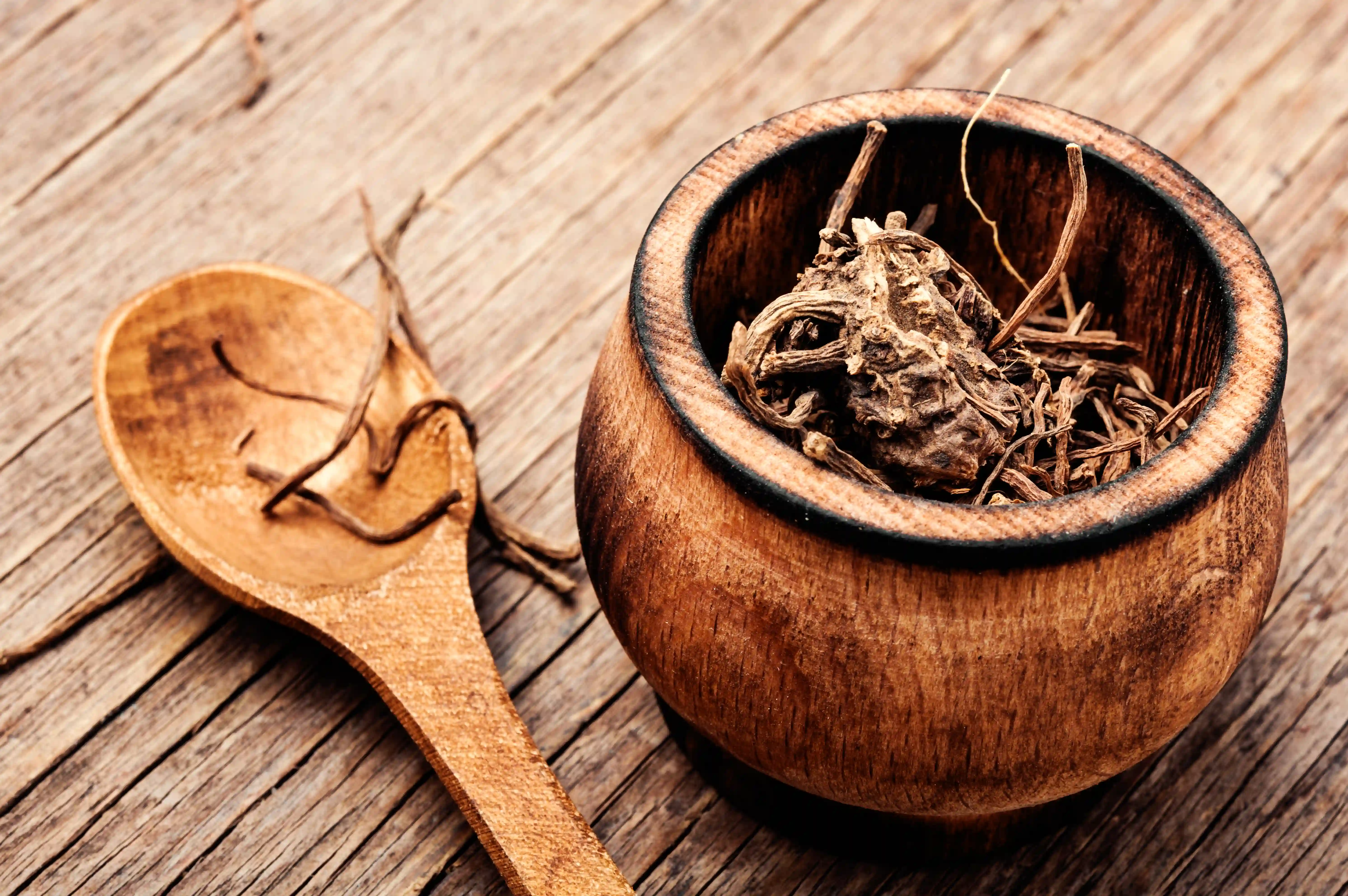
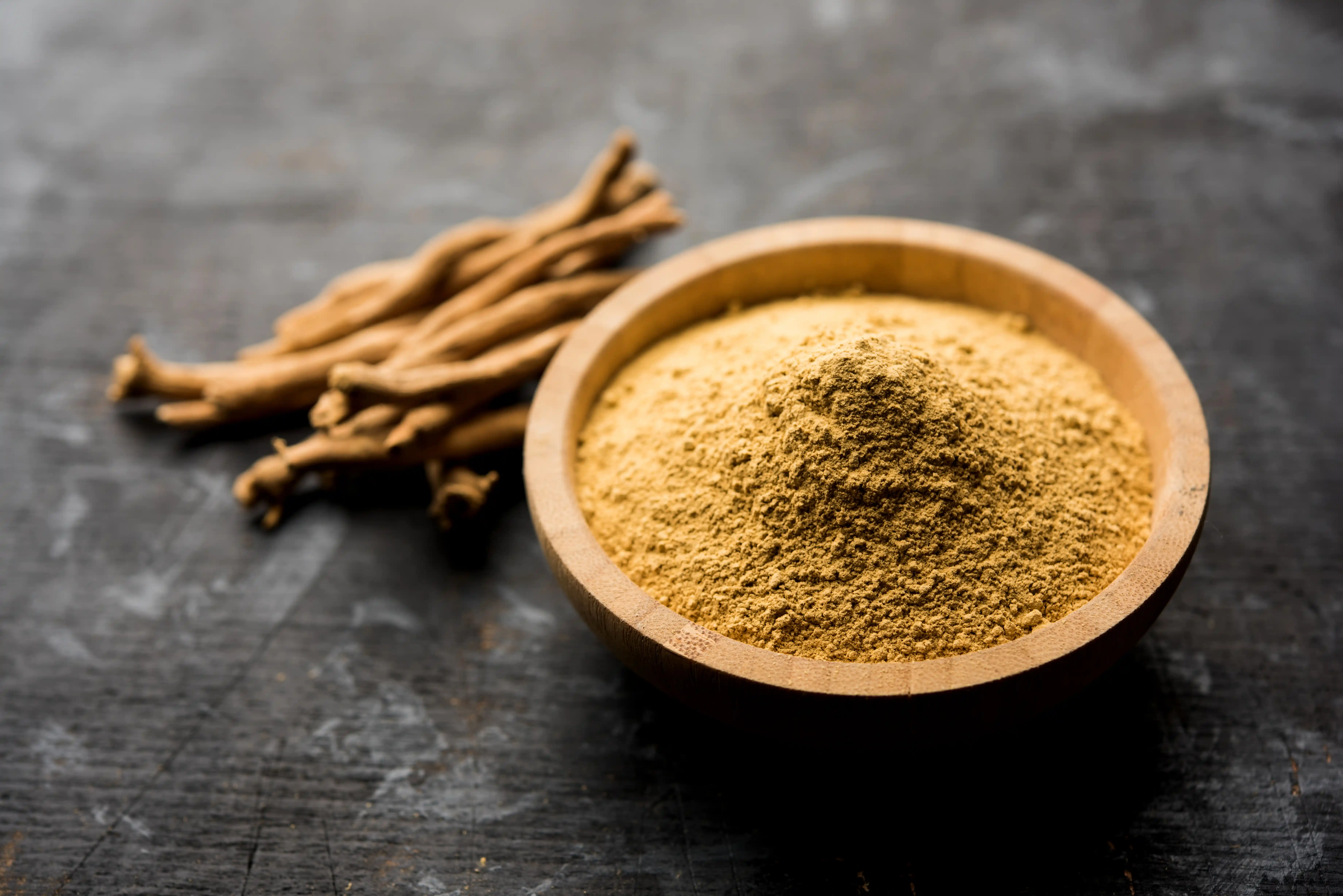
Supplements may contain root, leaf, or both. They can be sold as raw powder or as water, alcohol, or mixed-solvent extracts. Some products are standardized to a stated amount of withanolides or withanolide glycosides, groups of plant compounds thought to contribute to ashwagandha's effects. Root and leaf have different chemical profiles, and other constituents may matter too 1.
Those differences are important when reading research. A 120-milligram concentrated root-and-leaf extract is not equivalent to 120 milligrams of root powder or another extract. Even two products with the same total withanolide percentage may contain different individual compounds or release them differently.
Does ashwagandha improve sleep?
The short answer is that certain extracts might help a little, particularly in adults who already have insomnia symptoms.
A 2021 systematic review combined five randomized placebo-controlled trials with roughly 400 adults. The studies found a small average improvement across sleep outcomes. Results appeared stronger in participants with insomnia, in trials lasting at least 8 weeks, and in trials using 600 milligrams per day. The authors also noted that serious adverse-effect data were too limited to judge long-term safety 2.
That dose finding is a subgroup observation, not a universal dosing rule. All five trials were conducted in India, lasted 6 to 12 weeks, and used specific extracts. Most used 250 to 600 milligrams per day of a standardized root extract. One used 120 milligrams per day of a more concentrated root-and-leaf extract 1.
A 2024 review focused on anxiety and insomnia trials. It found improvements in sleep onset, total sleep time, sleep efficiency, and questionnaire scores, but not in wake time after sleep onset or total time in bed. Only five trials with 254 participants contributed to the pooled analysis, and the authors concluded that larger trials were needed 3.
A 2026 trial enrolled 200 adults ages 18 to 50 with sleep disturbance. Participants took a root-only extract standardized to more than 5% withanolides at 300 milligrams twice daily, melatonin, both, or placebo for 8 weeks. Ashwagandha and melatonin groups improved on actigraphy and self-reported measures, and the combination group showed the largest changes. The extract manufacturer supplied the study product. This single study does not establish that ashwagandha is equivalent or superior to melatonin, and it did not compare ashwagandha with prescription insomnia medicines or cognitive behavioral therapy for insomnia 4.
How large is the likely benefit?
The 2021 sleep-specific review described the overall effect as small. That pooled estimate combined different sleep questionnaires and actigraphy measures, so it does not translate neatly into a set number of extra minutes of sleep for an individual. The trials were too short to show whether benefits last, whether tolerance develops, or what happens after the supplement is stopped 2.
Confidence in the benefit remains limited. Cognitive behavioral therapy for insomnia (CBT-I) has a much stronger evidence base and is the recommended first-line treatment for chronic insomnia in adults 5.
Who was studied?
Most direct sleep research involved adults who reported poor or nonrestorative sleep, or who met a study definition of insomnia. For example:
-
One trial gave 150 adults with nonrestorative sleep a 120-milligram standardized root-and-leaf extract once daily for 6 weeks. It reported improvements in self-rated sleep and some actigraphy measures compared with placebo 6.
-
A 10-week trial enrolled 60 adults with insomnia and anxiety. It tested a full-spectrum root extract at 300 milligrams twice daily and reported improvements in several actigraphy and questionnaire outcomes 7.
-
Another 8-week trial included 80 adults, half with insomnia and half described as healthy. The sleep improvements were more pronounced in the insomnia group 8.
These studies do not show that ashwagandha treats sleep apnea, restless legs syndrome, circadian rhythm disorders, parasomnias, or sleep problems caused by medicines, alcohol, or another medical condition. They also provide little guidance for children, pregnant or breastfeeding people, adults with major medical illnesses, or people taking several medications.
Sleep results are different from stress and anxiety results
Some ashwagandha trials were designed primarily to study perceived stress or anxiety and included sleep as a secondary outcome. Other studies measured cortisol. Those results should not be treated as direct proof that ashwagandha improves a diagnosed sleep disorder.
A systematic review of 12 trials found reductions in self-reported stress and anxiety, but results varied greatly across studies and the reviewers rated the certainty of evidence as low 9. The National Center for Complementary and Integrative Health describes the evidence for stress and some insomnia preparations as encouraging, while noting that evidence for anxiety remains unclear 10.
Lower cortisol in a stress trial does not show that cortisol caused a participant's sleep problem or explain why sleep changed. Human sleep trials have not established a GABA effect, a particular brain-wave change, or a single hormonal mechanism. Claims about those pathways mostly come from laboratory or animal research and should not be used to predict how a retail supplement will affect a person.
Ashwagandha should not replace an evaluation or evidence-based treatment for an anxiety disorder. If worry, panic, trauma symptoms, or low mood are affecting your sleep, see our guide to anxiety and sleep and consider discussing both concerns with a clinician.
Why the dose on one study cannot be copied to every product
Research doses only make sense alongside the exact test product. The sleep trials used different plant parts, extraction methods, concentrations, and standardization targets. Their daily amounts ranged from a concentrated 120-milligram root-and-leaf extract to 600 milligrams of certain root extracts 1.
Retail labels may list:
- Plain root powder
- Root extract or combined root-and-leaf extract
- A drug-extract ratio or "equivalent dry herb" amount
- A percentage or milligram amount of total withanolides
- A proprietary extract, sustained-release formulation, or blend with other ingredients
These numbers are not interchangeable. More milligrams do not necessarily mean a stronger product, and a higher withanolide percentage has not been proven to produce better sleep or less risk.
In the United States, the Food and Drug Administration does not approve dietary supplements for safety and effectiveness before they reach the market 11. An independent quality seal can offer some reassurance about identity and contaminants, but it does not prove that the product improves sleep or is safe for a particular person.
Is there a safest dose or best time to take it?
There is no established universal dose for sleep. The product differences, short trial durations, and gaps in safety data make a single recommendation misleading. There is also not enough evidence to say that bedtime dosing works better than morning dosing.
If a clinician or pharmacist thinks a trial is reasonable, ask them to review the exact Supplement Facts label, including the plant part, extract, withanolide statement, other ingredients, dose per serving, and suggested duration. Do not convert a research dose to a powder, tea, gummy, or different extract on your own.
Side effects and short-term safety
In studies, ashwagandha was generally tolerated for up to about 3 months. Long-term safety over many months or years is unknown. Common reported effects include stomach upset, nausea, loose stools, diarrhea, vomiting, and drowsiness 1.
Stop using it and contact a clinician if side effects are persistent, worsening, or severe. Do not drive or use hazardous equipment if you feel drowsy. Combining ashwagandha with alcohol, sleep medicines, anxiety medicines, antihistamines, opioids, or other sedating products may increase impairment.
Rare liver injury
Ashwagandha has been linked to rare but clinically apparent liver injury. LiverTox describes cases that typically began 2 to 12 weeks after a person started a product, often with jaundice and intense itching. Many people recovered after stopping, but prolonged illness, liver failure, transplantation, and deaths have been reported, particularly in people with preexisting liver disease 12.
A case series from Iceland and the U.S. Drug-Induced Liver Injury Network described five patients after other likely causes were assessed. Some products were chemically tested, which strengthened the suspected link, although supplement mixtures, labeling errors, and contaminants remain concerns in other reports 13.
Stop ashwagandha and seek prompt medical care if you develop yellow skin or eyes, dark urine, pale stools, widespread itching, persistent nausea or vomiting, unusual fatigue, loss of appetite, or pain in the upper right abdomen. Do not restart the same product after suspected liver injury. LiverTox advises avoiding ashwagandha in cirrhosis or advanced chronic liver disease 12.
Thyroid effects
Small trials and case reports suggest ashwagandha can raise thyroid hormone levels in some people. Reported cases of thyrotoxicosis improved after the supplement was stopped. This may also alter the effect of thyroid hormone medication 1.
Stop and seek medical advice for a new racing or irregular heartbeat, tremor, marked heat intolerance, unexplained weight loss, unusual sweating, or severe restlessness. People with a thyroid disorder should not self-treat with ashwagandha.
Who should avoid ashwagandha?
NCCIH advises that ashwagandha:
- Should be avoided during pregnancy and should not be used while breastfeeding
- Is not recommended for people who are about to have surgery
- Is not recommended for people with autoimmune or thyroid disorders
- Should be avoided by people with hormone-sensitive prostate cancer because it may increase testosterone levels
These precautions reflect limited safety data and plausible or reported effects, not proof that every person will have a reaction 10.
Children have not been adequately studied for sleep use. Do not give a child ashwagandha for sleep unless their pediatric clinician specifically recommends and monitors it.
If you have a history of liver disease, ask the clinician managing it before considering any ashwagandha product. People with cirrhosis or advanced chronic liver disease should avoid it 12.
Medication interactions
Ashwagandha may interact with:
- Sedatives and anti-seizure medicines
- Thyroid hormone
- Medicines for diabetes or high blood pressure
- Immunosuppressants
This is not a complete interaction list 10. A pharmacist can check the exact product against prescriptions, nonprescription medicines, and other supplements. Bring the bottle or a clear photo of the full label.
Tell your surgeon and anesthesiologist about ashwagandha well before a procedure. Follow their instructions on when to stop it rather than choosing a cutoff date yourself.
Deciding whether it fits your sleep problem
It is worth clarifying the sleep pattern before trying a supplement. Arrange an evaluation if sleep trouble is persistent, affects daytime function, or comes with loud snoring, gasping, an urge to move the legs, unusual nighttime behaviors, severe daytime sleepiness, or a major change in mood.
Chronic insomnia is generally defined by trouble falling asleep, staying asleep, or waking too early at least 3 nights a week for at least 3 months, despite adequate opportunity for sleep, with daytime consequences. CBT-I is the recommended treatment and can be used when insomnia occurs alongside medical or mental health conditions 5.
If you still want to consider ashwagandha, discuss these questions with a clinician or pharmacist:
-
Is there a condition, medicine, or substance that better explains the sleep problem?
-
Do any of my health conditions, medicines, pregnancy plans, or upcoming procedures make it unsafe?
-
Does this exact product resemble one used in a sleep trial?
-
How will we decide whether it is helping, and when will I stop?
-
Which symptoms mean I should stop sooner?
Keep the rest of your sleep plan stable while judging any change. A brief sleep diary can be more useful than relying on a wearable score alone.
When to get urgent help
Stop the supplement and get prompt medical care for possible liver or thyroid symptoms, a severe or persistent reaction, or excessive drowsiness that puts you at risk.
Get emergency help for trouble breathing, swelling of the lips, tongue, or throat, fainting, severe confusion, or other signs of a serious allergic or medical emergency.
Frequently asked questions
How long does ashwagandha take to improve sleep?
Sleep trials generally lasted 6 to 12 weeks, and several found differences by 6 to 8 weeks. They were not designed to prove that a single dose works the same night. Lack of an immediate effect is not a reason to raise the dose.
Can I take ashwagandha every night?
Short trials suggest some preparations are tolerated for up to about 3 months, but long-term safety is unknown. Daily use is not appropriate for everyone, especially during pregnancy or breastfeeding, before surgery, or with certain liver, thyroid, autoimmune, or prostate conditions.
Can I combine ashwagandha with melatonin?
One 8-week trial studied the combination, but that is not enough to establish broad safety or an ideal dose 4. Both can cause drowsiness, and either may interact with other products. Ask a clinician or pharmacist to review the full combination first.
Is ashwagandha safer than prescription sleep medicine?
There is no sound head-to-head evidence supporting that claim. "Natural" does not mean risk-free, and prescription medicines have different benefits and risks. The right comparison depends on the sleep diagnosis, the exact products, other health conditions, and the treatment goal.
What is the safest ashwagandha dose for sleep?
No universal safest dose has been established. A milligram amount only describes the weight of that specific powder or extract. It does not capture plant part, extraction method, individual withanolides, release pattern, other ingredients, or personal risk factors.