
To sleep better in a hotel, protect enough time for sleep, identify what is actually disturbing the room, and change only the factors you can control safely. A room change may solve persistent elevator noise. An eye mask may solve a bright curtain gap. Neither helps when the main problem is a schedule that leaves too little time in bed.
Start with the trip itself. A local or same-time-zone hotel stay mainly changes the room, routine, and schedule. Rapid eastward or westward travel across time zones also shifts sleep away from local clock time. That is jet lag, and the timing of light, sleep, caffeine, and melatonin depends on the direction and size of the shift. Use the dedicated jet lag guide for that plan rather than applying ordinary hotel tips as a circadian treatment 1.
Before arrival, protect the parts you cannot fix at bedtime
Leave a realistic sleep window
Set the wake time from the next day's real obligations, then preserve enough time for your usual sleep need plus a reasonable settling period. A late dinner, arrival, meeting, or early departure can remove more sleep opportunity than the room itself. The National Heart, Lung, and Blood Institute puts making enough time for sleep first among its healthy sleep habits 2.
Keeping a familiar bedtime can help when it fits the trip, but it is not a rule to force. If check-in is late, finish only the tasks needed for safety and the next morning. If an early event can be moved, moving it may help more than adding another wind-down technique.
Request a room for the likely noise source
Ask the property what is causing the disturbance you want to avoid. Useful details include:
-
street traffic, nightlife, trains, or an airport approach
-
elevators, ice machines, vending areas, stair doors, or housekeeping closets
-
ballrooms, restaurants, kitchens, loading areas, pools, or gyms
-
rooftop, basement, or exterior mechanical equipment
-
connecting doors or rooms used by a group traveling together
A higher floor may reduce some street noise but place the room closer to rooftop equipment. A room far from an elevator may be nearer a loading dock. Ask for the quiet side or zone based on the property's layout and current events instead of treating one floor as universally best.
Tell the hotel about mobility, hearing, vision, allergy, refrigeration, or other access needs before arrival. If you use a positive airway pressure device or another medical device, confirm that the room has a suitable outlet and any other required setup. Pack prescribed medicines, the device and its needed parts, an eye mask if you tolerate one, and familiar earplugs if you can use them without losing access to required alarms.
For time-sensitive medicine during international or cross-time-zone travel, ask the prescriber or pharmacist for a dosing schedule before the trip. The CDC notes that changing time zones can complicate medication timing and that a healthcare professional can help plan the outbound and return schedules 3.
Check the room before fully unpacking
A useful first-room check is short and proportionate. It should confirm safety and reveal problems the desk can still address.
-
Make sure the room key, door, deadbolt, latch, windows, and any connecting door work as expected. Report a lock or access problem rather than improvising a barricade that could delay an exit.
-
Read the evacuation information, locate the two nearest exits, and notice the smoke alarm, sprinkler, and floor alarm location. The U.S. Fire Administration recommends finding two exits and counting the doors between the room and each exit in case smoke or darkness limits visibility 4.
-
Close the curtains, test guest-controlled lights and climate controls, listen for the actual noise pattern, and check that the bedding and room are usable for you. Report visible soil, damage, leaks, smoke, or another concrete problem to the hotel. Do not assume every hotel follows one cleaning protocol.
-
Set luggage on a hard surface or an inspected luggage rack while you decide whether to stay in the room. Keep the exit path clear.
Do not cover a smoke alarm, sprinkler, thermostat, vent, lamp, outlet, router, sensor, or unknown indicator. Do not unplug hotel equipment you cannot identify. Turn off only guest-controlled devices you understand, or ask hotel staff how to address a bothersome light or sound.
Keep any bedbug check brief and evidence-based
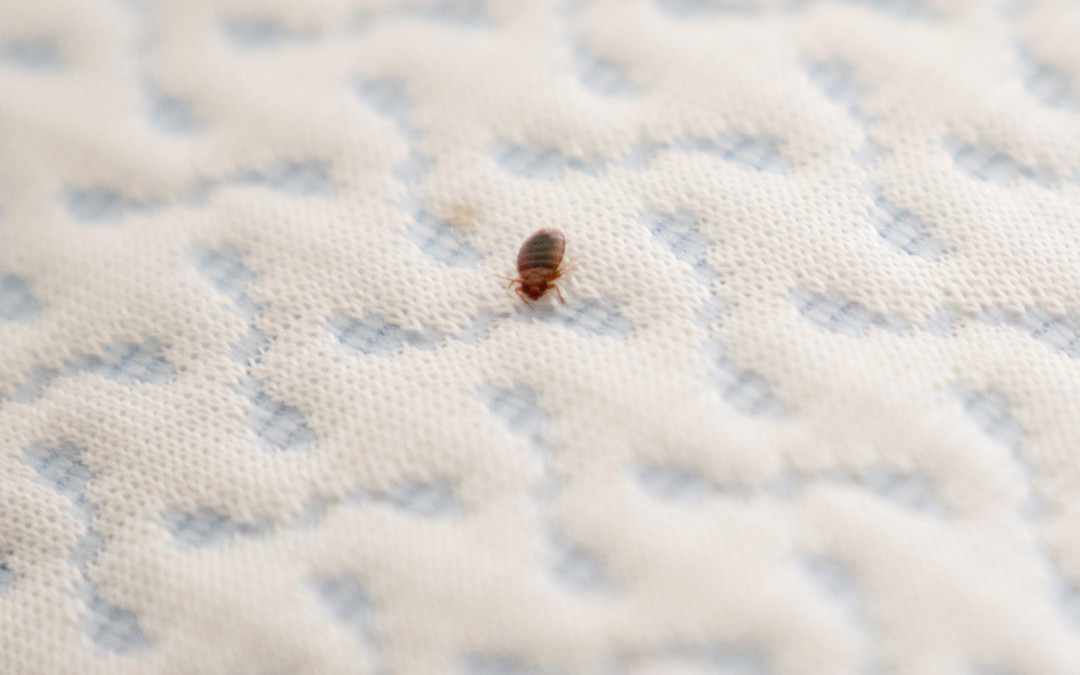
A full room teardown is not required for every traveler. If bedbug exposure is a concern, especially after a recent credible report or when you see a physical sign, inspect the luggage rack and the accessible mattress seams and headboard before putting bags on the bed. This matches the EPA's travel guidance 5.
Look for a live insect, rusty or reddish stains, dark fecal spots, eggs, eggshells, or shed skins. The EPA notes that bites alone are a poor indicator and that other insects can be mistaken for bedbugs 6. A generic musty odor is not enough to identify an infestation.
If you find credible evidence, close and contain your luggage, photograph the evidence if practical, and contact hotel staff. Do not spray the room, move loose belongings through the property, or decide that another unexplained mark proves bedbugs.
Adjust the room without creating a new problem
Start with the noise source
For intermittent hallway or street noise, ask whether a room away from that source is available. For a rattling fan, plumbing sound, alarm, or mechanical vibration, request maintenance or a room change. Avoid taking apart equipment or blocking a vent.
Earplugs or steady background sound are optional ways to reduce distraction, not guaranteed sleep treatments. If you use a sound app or machine, keep it at the lowest level that is useful and make sure it does not mask a smoke alarm, wake alarm, phone alert, a child or companion, or a medical device. White, pink, brown, or another named sound is not inherently best.
Use clean earplugs that fit comfortably, and do not force them into a painful or irritated ear. More sound reduction is not always better. NIOSH warns that excessive sound reduction can reduce awareness of the surroundings 7. If you cannot reliably hear a required alert, ask the hotel about an accessible visual, vibrating, or amplified alarm rather than depending on earplugs alone.
Reduce light safely
Close the curtains fully and use their overlap or side fasteners if provided. An eye mask is often simpler than covering room fixtures. Turn off known guest-controlled lights and place your own charging screen face down or away from the bed.
Bright artificial light near bedtime can make sleep harder for some people, but there is no universal one-hour screen prohibition. If a phone is keeping you engaged or shining into your eyes, dim it, use a warmer display setting, switch to audio, or put it away. The practical goal is less bright light and no lost sleep opportunity, not completing an exact screen-free interval 2.
Set temperature and bedding by comfort
There is no single hotel thermostat setting that is ideal for every person, climate, bedding system, medical condition, or room sensor. Make a small adjustment, allow the system time to respond, and use sleepwear or hotel-supplied bedding to fine-tune comfort. Ask staff for help if the control does not work, smells hot, leaks, or is unusually loud.
Do not block a heater, air conditioner, sprinkler, or exit with bedding. Do not use an oven, candle, travel burner, or unapproved heater to change room temperature. If the mattress or pillows are the problem, ask what pillow options, mattress adjustments, or extra bedding the property can safely provide. A familiar pillowcase or compact support may be useful when practical, but recreating the entire home bed is not required.
Keep the evening workable
A short familiar sequence can make the transition easier: prepare tomorrow's essentials, take routine medicines as directed, wash, dim the room, and choose a quiet activity. Keep the parts that are useful and practical in that hotel. There is no need to add lavender, a special playlist, or a new ritual. Avoid candles, incense, and room sprays that violate property rules or could trigger symptoms in you or another guest.
Check the wake alarm's local time, AM or PM setting, volume, power, and accessibility. Clear any old guest-controlled alarm on the hotel clock, and use a second independent alarm when waking on time is critical. Keep the room key, phone, glasses, mobility aid, and other exit essentials reachable without blocking the route.
Food, drinks, nicotine, and exercise
Use the planned bedtime and your own response as the reference point rather than following one cutoff for everyone:
-
Caffeine: Use less and earlier if it commonly delays your sleep. Dose, timing, metabolism, and tolerance vary. Do not keep adding caffeine late in the day and then try to cancel it with alcohol or a sedative.
-
Alcohol: Do not use it as a sleep aid. It may make a person feel sleepy at first while contributing to lighter, more interrupted sleep. It can also compound impairment from medicines and sleep loss.
-
Nicotine: Nicotine is a stimulant and can interfere with sleep, but withdrawal can also be disruptive for a dependent user. Do not increase nicotine to push through fatigue, smoke or vape in bed, or violate the property's rules.
-
Meals: If a large or rich meal causes reflux, discomfort, or wakefulness for you, leave more time before lying down. A modest snack may be more practical after a late arrival. Follow condition-specific dietary and medication instructions.
-
Exercise: Ordinary movement during the day is reasonable. There is no need to skip all evening activity, but avoid an unfamiliar or hard workout near bed if it leaves you hot, sore, hungry, or alert.
NIH guidance similarly identifies caffeine, nicotine, alcohol, large meals, bright light, and intense exercise as factors that can interfere with sleep, while emphasizing enough sleep time and a quiet, dark, comfortable environment 2.
Be cautious with medicines and sleep aids
Take regular medicines according to the plan from your prescriber or pharmacist. Do not borrow a sleep medicine, double a missed dose, combine sedating products, or mix a sleep aid with alcohol. Before using a prescription, over-the-counter product, or supplement, check the label, interactions, expected duration, and next-day impairment. A hotel night before driving, caregiving, or safety-sensitive work is a poor time to discover how a new product affects you.
Melatonin is not a general switch for sleep in any unfamiliar room. For jet lag, its effect depends on circadian timing, and the CDC warns that taking it at the wrong time can increase misalignment 1. For chronic insomnia, major guidelines have found insufficient strong evidence to recommend it, and U.S. supplements can vary from their labels or interact with medicines. Short-term use appears reasonably safe for many adults, but long-term safety remains uncertain 8.
If a clinician has already prescribed a sleep medicine for a defined situation, follow that plan and allow the full sleep opportunity it requires. The CDC cautions that some antihistamines and longer-acting sedatives can worsen cognitive impairment, falls, and physical performance during travel 1.
If the night goes badly
During the night, solve one clear problem at a time. Adjust a known guest-controlled setting, call the desk about noise or malfunctioning equipment, or request another room if the disruption is persistent. If you are awake and frustrated, stop checking the clock. A quiet activity in low light is reasonable until sleepiness returns, as long as you remain secure and do not block the exit.
Do not respond by stacking alcohol, melatonin, antihistamines, or prescription sedatives. Their combined effects may outlast the remaining sleep window 1.
The next day:
-
keep a workable wake time when it is safe to do so
-
get food, water, daylight, and ordinary movement
-
use a nap only if you need it for safety or function, and consider whether its timing or length will make the next night's sleep harder
-
change rooms or fix the identified problem before the next night
-
postpone driving, operating equipment, swimming alone, or other hazardous activity if you are too sleepy to do it safely
Coffee, an open window, loud music, or willpower does not make drowsy driving safe. NHTSA states that adequate sleep is the only reliable protection and that caffeine may provide only brief help while microsleeps can still occur 9. Arrange a rested driver, public transportation, a later departure, or a safe place to sleep.
One poor hotel night does not establish a sleep disorder. If difficulty sleeping also happens at home, repeatedly disrupts travel, or persists with loud snoring, breathing pauses, severe daytime sleepiness, pain, or mood symptoms, discuss it with a healthcare professional rather than continuing to add travel remedies.