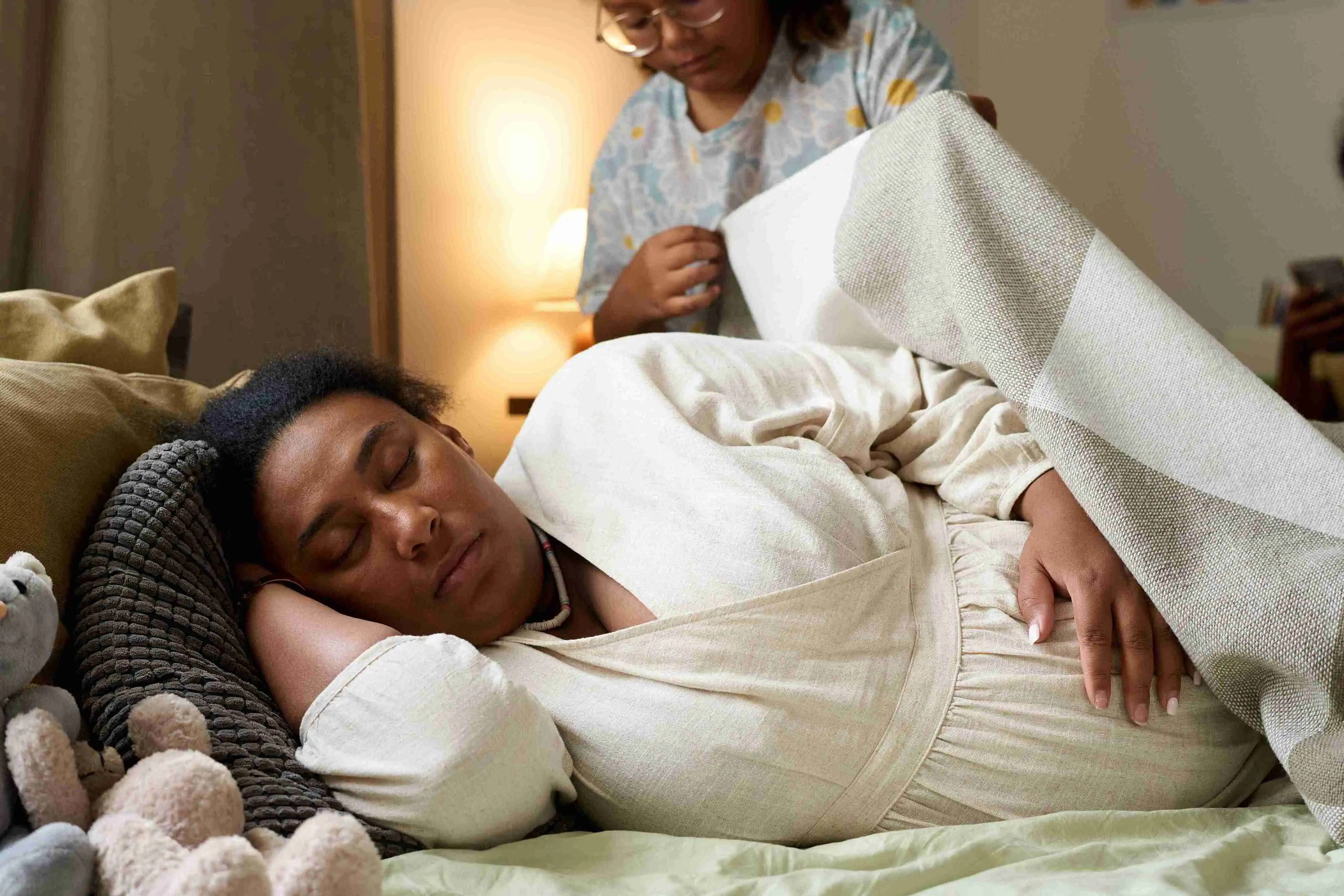
Too little or disrupted sleep can affect glucose regulation, but the relationship between sleep and diabetes runs in both directions.
Prospective studies associate short sleep, poor sleep, and insomnia symptoms with a higher chance of developing type 2 diabetes. In controlled experiments, restricting sleep for a short period can also reduce insulin sensitivity or change how the body handles glucose. These findings do not mean that sleep loss is the sole cause of diabetes, that one bad night causes diabetes, or that improving sleep can replace diabetes treatment 12.
Sleep cannot diagnose diabetes. Diagnosis requires appropriate blood tests, and the type of diabetes matters because type 1 and type 2 have different biology and treatment needs 3.
Type 1 risk, type 2 risk, and glucose management are different questions
Type 1 diabetes is an autoimmune disease in which the immune system destroys insulin-producing cells. Most people with type 1 need insulin every day to live 3. Lack of sleep does not explain this autoimmune process, and sleep advice cannot replace insulin.
Type 2 diabetes develops when cells do not use insulin effectively and the pancreas cannot make enough insulin to keep glucose within the normal range. A person's risk reflects multiple factors, including family history, age, body weight, and physical activity 4. Sleep is one part of that larger picture. Evidence about future type 2 risk should not be applied to type 1 diabetes as if the conditions had the same cause.
Glucose management after diagnosis is another question. A short or fragmented night may coincide with a different glucose pattern, greater fatigue, or more difficulty carrying out a treatment plan. It does not follow that every unexpected reading was caused by sleep. Meals, activity, illness, stress, hormones, medications, insulin delivery, and device performance can also matter.
The American Diabetes Association recommends screening sleep health in people with prediabetes or diabetes and in people at risk, including both sleep disorders and diabetes-related sleep disruptions 5. That is a reason to assess both problems, not to treat sleep as a stand-alone diabetes therapy.
What the research can and cannot show
Short or poor sleep and future type 2 diabetes
A meta-analysis of prospective cohorts found that short sleep, long sleep, difficulty falling asleep, and difficulty staying asleep were each associated with later type 2 diabetes 1. Because the included studies observed people's existing sleep rather than assigning it, they cannot prove that sleep itself caused the diagnoses.
Shared causes remain possible. For example, obstructive sleep apnea, depression, chronic pain, shift work, socioeconomic conditions, medication effects, low activity, and an undiagnosed illness can affect sleep and diabetes risk at the same time. Even careful statistical adjustment cannot measure every relevant difference between people.
Controlled sleep restriction
Randomized sleep-manipulation studies answer a narrower question. A 2022 systematic review found that sleep restriction reduced several measures of insulin sensitivity, while results differed by the sleep manipulation and the test used 2.
Most experiments were short, used small samples, and often enrolled people without diabetes or a diagnosed sleep disorder. The review could not determine whether people with different glycemic status respond in the same way. These studies show that sleep loss can change glucose physiology over days, but they do not tell us how much it contributes to one person's long-term diabetes risk.
Long and irregular sleep
Long sleep is also associated with type 2 diabetes in cohort research, but that does not establish that getting more sleep is harmful. The prospective-cohort meta-analysis identified poor general health, depression, low activity, unemployment, and unrecognized health conditions as possible explanations for part of the long-sleep association 1. Someone who is sleeping much longer than usual may need assessment for the reason, not an instruction to cut sleep.
Irregular sleep has a similar evidence boundary. In a UK Biobank cohort, researchers measured sleep timing by wrist device for one week and found that greater irregularity was associated with more type 2 diabetes diagnoses during eight years of follow-up 6. This was an observational study of adults ages 40 to 79. It cannot prove that making a schedule more regular will prevent diabetes, and shift work, illness, caregiving, and other constraints need to be considered.
How diabetes can disrupt sleep
If you already have diabetes, the problem may begin on the glucose or treatment side rather than the sleep side.
Overnight hypoglycemia
Hypoglycemia can occur during sleep, especially in people who use insulin or another treatment that can cause low glucose. A person may wake with symptoms or an alarm, while someone with impaired awareness may not notice a low reliably. Fear of an overnight low can also keep the person or a caregiver alert.
Diabetes technology can reduce some burdens and create others. A continuous glucose monitor may warn of a falling glucose level, and an automated insulin delivery system may reduce some overnight intervention. Alarms, sensor problems, infusion issues, and the need to respond can still fragment sleep. The ADA describes diabetes technology as both helpful and challenging for sleep, particularly in type 1 diabetes 5.
Hyperglycemia, thirst, and urination
High glucose can cause thirst and frequent urination, which may lead to repeated bathroom trips 7. Nocturia has many possible causes, however. Repeated waking to urinate should not be assumed to prove high glucose without reviewing the actual pattern and other medical possibilities.
Pain and uncomfortable legs
Diabetic peripheral neuropathy can cause burning, tingling, numbness, or pain in the feet and legs, and symptoms are often worse at night 8. Pain may delay sleep, wake a person, or make bedding uncomfortable.
Restless legs syndrome is different from neuropathy. RLS produces an urge to move the legs, usually with unpleasant sensations that begin or worsen during rest, improve with movement, and are most prominent in the evening or at night. Its evaluation can include iron studies, medication review, and a search for factors that worsen symptoms 9. Do not assume every uncomfortable leg sensation is RLS or start iron without clinical guidance.
Treatment demands and life stage
Medication timing, side effects, glucose checks required by an individual plan, pump or sensor alerts, and caregiving tasks can all affect sleep. So can menopause symptoms, shift work, an unpredictable schedule, or caring for another person. The ADA specifically recommends considering shift schedules and diabetes-related sleep disruptions rather than looking only at total hours 5.
Review these factors together. Silencing a necessary alarm or changing medicine to protect sleep can create a different safety problem.
Sleep disorders deserve their own evaluation
A person can have insufficient sleep opportunity, a sleep disorder, a diabetes-related disruption, or more than one at the same time. The solution depends on which problem is present.
Obstructive sleep apnea
Loud snoring, witnessed breathing pauses, gasping, unrefreshing sleep, morning headaches, or excessive daytime sleepiness can suggest obstructive sleep apnea 10. Symptoms and questionnaires alone do not confirm it; diagnosis requires an appropriate clinical sleep evaluation and sleep study.
Positive airway pressure treatment is recommended for adults with OSA and excessive sleepiness and can improve sleep-related quality of life 11. Its effect on glucose is less certain. A 2023 meta-analysis of 11 randomized trials in people with OSA and type 2 diabetes found a small average improvement in A1C, with greater improvement associated with more nightly CPAP use, but it also documented conflicting results across earlier trials and reviews 12.
Treat OSA for its established sleep and breathing benefits. Do not use CPAP as a replacement for insulin, glucose-lowering medication, nutrition care, monitoring, or follow-up.
Chronic insomnia
Insomnia is persistent difficulty falling asleep, staying asleep, or returning to sleep despite having a suitable opportunity to sleep, with meaningful daytime effects. It is not the same as choosing or being forced to allow too little time for sleep.
Multicomponent cognitive behavioral therapy for insomnia, or CBT-I, is the recommended behavioral treatment for chronic insomnia in adults, including people with medical conditions 13. Basic sleep habits can support treatment, but they are not a substitute for CBT-I when chronic insomnia is present.
CBT-I should be coordinated with diabetes care when nighttime monitoring, recurrent hypoglycemia, device alarms, shift work, or caregiving affects the sleep window. Do not apply a strict time-in-bed restriction from a generic program without accounting for safety and the person's diabetes plan.
Restless legs syndrome
If the main problem is an evening urge to move the legs that improves while moving, ask about RLS rather than treating it as generic insomnia. A clinician can distinguish it from neuropathy, cramps, medication effects, and other conditions, then order iron studies or other evaluation when appropriate 9.
A practical two-way assessment
A useful assessment looks at the sleep pattern and diabetes pattern together.
1. Define the sleep problem
Keep a brief record of:
- Bedtime, estimated sleep time, wake time, and naps.
- Work shifts and major schedule changes.
- Trouble falling asleep, repeated waking, or waking too early.
- Snoring, gasping, witnessed breathing pauses, morning headache, and daytime sleepiness.
- Urination, thirst, sweating, pain, uncomfortable legs, menopause symptoms, or medication effects.
- Diabetes alarms, treatments, checks, or caregiving that interrupted sleep.
The goal is to distinguish too little opportunity from an inability to sleep and from repeated medical or device-related interruptions.
2. Review glucose and treatment patterns with the diabetes team
Bring relevant meter, CGM, pump, medication, meal, alcohol, activity, and illness information to the clinician who manages the diabetes. Look for repeated patterns rather than trying to explain one reading from one night.
Ask the team to define:
- Whether and when nighttime or bedtime checks are needed for you.
- Your individualized glucose targets and alert settings.
- How to respond to a low, high, or rapidly changing reading.
- When a device reading needs confirmation with a blood glucose meter.
- When to check ketones and follow a sick-day plan.
- Who should have access to alerts and how to prevent unnecessary alarm burden.
- Whether medication timing, dose, or delivery needs clinical review.
Do not adopt a universal bedtime target, avoid all carbohydrates at night, add a snack, or change insulin or other medicine because of general sleep advice. These decisions depend on the person's treatment, activity, meals, pregnancy status, hypoglycemia risk, kidney function, and care plan.
3. Evaluate likely sleep disorders
Ask for a sleep evaluation when symptoms suggest OSA, chronic insomnia, RLS, a circadian rhythm disorder, or another sleep condition. Treating the correct disorder is more useful than adding generic sleep tips to an unexplained problem.
4. Protect sleep without overriding diabetes safety
A regular sleep opportunity, consistent rise time when feasible, a dark and quiet room, and a wind-down routine are reasonable supports. Reduce optional notifications and evening disruptions, but do not silence required diabetes alerts without discussing the change with the care team. Shift workers may need a plan built around rotating hours rather than advice written for a daytime schedule 5.
If you spend enough time in bed but remain awake for long periods, simply extending time in bed can make insomnia more frustrating. Seek CBT-I or another condition-specific treatment instead.
Nighttime diabetes safety
CGM readings and alarms have limits
CGM measures glucose in interstitial fluid rather than directly in blood. Readings can differ from a blood glucose meter, lag during rapid change, or become unavailable. The 2026 ADA technology standards recommend access to blood glucose monitoring as backup and checking when a CGM value seems inaccurate, when symptoms do not match the reading, during warm-up or transmission interruption, and in other situations specified for the device 14.
Follow the instructions for the exact CGM, pump, or automated delivery system. A single overnight alert may reflect a real glucose change or a device issue. Do not repeatedly correct a number that conflicts with how you feel without following the confirmation and treatment steps in your plan.
Have a written hypoglycemia and glucagon plan
For an alert person able to swallow, the ADA recommends glucose as the preferred initial treatment when glucose is below 70 mg/dL, followed by reassessment after 15 minutes and repeat treatment if the low persists 15. A personal plan may add specific instructions based on age, treatment, device trend, or clinical history.
The ADA recommends prescribed glucagon for everyone taking insulin or otherwise at high risk for hypoglycemia. Family members, roommates, and other close contacts should know where it is and how to give it 15. Never give food or drink to someone who is unconscious, having a seizure, or unable to swallow. Use the prescribed rescue plan and call emergency medical services.
Recurrent overnight lows, a severe low, loss of warning symptoms, or repeated alarms should prompt timely review of the treatment plan. Do not reduce, skip, or move insulin on your own to avoid being awakened.
Recognize possible diabetic ketoacidosis
Diabetic ketoacidosis is a medical emergency and is more common in type 1 diabetes, although it can occur in other diabetes types. High ketones, fruity-smelling breath, vomiting with inability to keep fluids down, trouble breathing, or multiple DKA symptoms require emergency evaluation 16.
Follow the person's sick-day and ketone plan rather than waiting for sleep to correct a high reading. If eating is difficult, follow the plan's insulin instructions and contact the diabetes team rather than stopping insulin without clinical guidance.
Do not drive drowsy or with suspected hypoglycemia
Do not drive if you are struggling to stay awake, confused, or concerned that glucose is low. Follow your diabetes plan for checking and treating glucose before driving, and arrange another driver or stop in a safe place when sleepy. The National Highway Traffic Safety Administration warns that caffeine alone may not overcome serious sleep deprivation and advises pulling over safely if sleepiness develops while driving 17.
When to ask for help
Contact the diabetes team if sleep is repeatedly disrupted by low or high readings, alarms, fear of hypoglycemia, medication effects, or treatment tasks. Seek a sleep evaluation for persistent insomnia, loud snoring or witnessed breathing pauses, unexplained daytime sleepiness, or a recurring evening urge to move the legs.
Get urgent medical help for a severe low that requires another person's assistance, unresponsiveness, seizure, inability to swallow, or possible DKA. If daytime sleepiness makes driving or safety-sensitive work difficult, stop the risky activity and arrange prompt assessment.
Sleep belongs in diabetes care, but it is one part of care. The most useful next step is not to blame every glucose change on sleep or promise that better sleep will control diabetes. It is to identify which direction the disruption is running, treat any sleep disorder, and adjust diabetes care only through the person's individualized plan.