

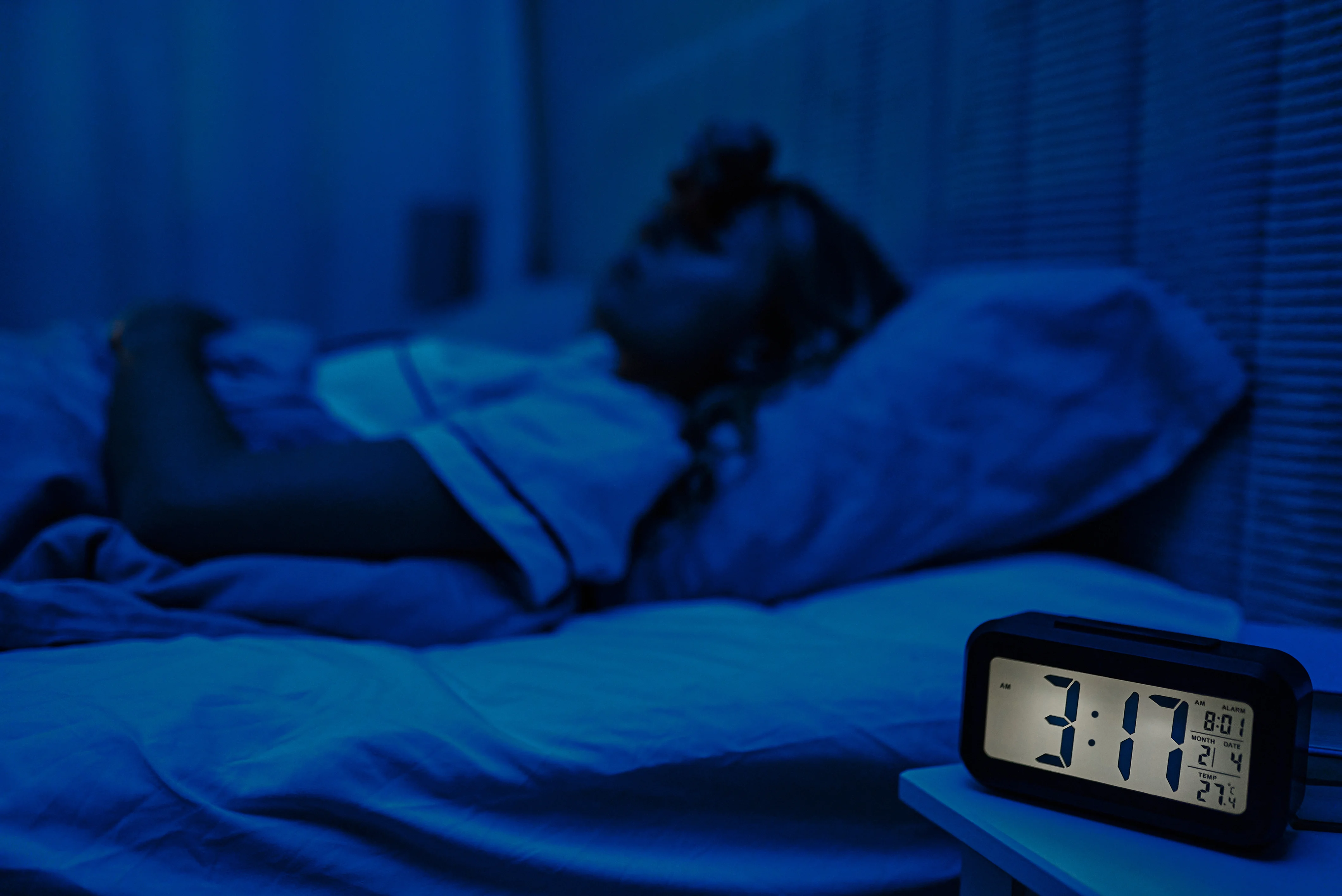
Stimulus control is a behavioral treatment for insomnia. It aims to make the bed a more reliable setting for sleep by reducing the time you spend there awake, frustrated, or trying harder to sleep.
The basic pattern is simple: go to bed when you feel sleepy, end the sleep attempt when wakefulness takes hold, and return when sleepiness comes back. Stimulus control is usually one part of cognitive behavioral therapy for insomnia (CBT-I), although clinicians can also use it on its own. The American Academy of Sleep Medicine (AASM) strongly recommends multicomponent CBT-I for chronic insomnia in adults and gives stimulus control alone a conditional recommendation 1.
That distinction matters. Stimulus control can be useful, but it is not a promise that every case of insomnia comes from a learned bed association or that this one technique will resolve every cause of poor sleep.
What stimulus control is trying to change
When sleep becomes unreliable, it is understandable to spend more time in bed, monitor the clock, or work harder at falling asleep. The bed can then become a place for worry, alertness, and repeated unsuccessful sleep attempts.
Stimulus control interrupts that pattern. Its traditional explanation is that repeated pairing of bed with sleepiness and sleep may strengthen sleep-related cues, while leaving during sustained wakefulness may weaken the connection between bed and alertness. Researchers still do not know whether conditioning fully explains the treatment. A 2024 network meta-analysis found that stimulus control improved insomnia compared with control conditions, but the included studies were generally poor quality and did not show that every traditional instruction was essential 2.
Does stimulus control work?
The evidence is encouraging but limited. A systematic review of 11 adult studies found that stimulus control improved the time it took to fall asleep and, in some comparisons, total sleep time versus passive controls such as a waitlist. Its effects were much smaller when compared with active treatments. Most studies were old, samples and outcomes were limited, and the authors could not draw strong conclusions about how broadly the results apply 3.
This is why stimulus control alone receives a weaker recommendation than full CBT-I. It may be a reasonable focused treatment for some adults, while people with persistent or complex insomnia may benefit more from a clinician-guided program that also addresses sleep scheduling, unhelpful beliefs about sleep, and other maintaining factors 1.
How to practice stimulus control
These steps describe the standard adult approach. They are cues to respond to, not a test of willpower.
1. Go to bed when you are sleepy
Sleepiness means that staying awake is becoming difficult. Heavy eyelids, repeated yawning, nodding off, or losing your place while reading are common signs. Fatigue can feel different: you may be drained or worn out but still mentally alert.
Choose bed when sleepiness is present rather than lying down only because the clock says it is bedtime. This does not mean waiting until you are exhausted or forcing yourself to stay awake past a safe point.
2. Reserve the bed for sleep and sexual activity when practical
Avoid turning the bed into your main place for work, scrolling, television, problem-solving, or deliberate attempts to make sleep happen. The goal is not to create a perfect bedroom. It is to make getting into your usual sleep position a clearer sign that you are ready to sleep.
This rule needs flexibility if you must rest in bed, feed or care for someone there, live in one room, or have a medical condition that limits where you can be. In those situations, use the clearest distinction available, such as sitting upright for wakeful activities and lying in your usual sleep position only for a sleep attempt.
3. End the sleep attempt when wakefulness or frustration builds
You do not need to leave bed at exactly 15 or 20 minutes. Watching the clock can add another task to the night, and the research does not establish one universal cutoff. Instead, respond when you notice sustained wakefulness, growing frustration, worry about the consequences of not sleeping, or a sense that you are working at sleep 32.
If it is safe, get out of bed and move to a nearby comfortable place. If you wake briefly and remain calm and sleepy, there is no need to interrupt a sleep attempt that appears to be returning on its own.
4. Choose a quiet, low-demand activity
Use enough light to move and read safely, but keep the activity calm. You might read something familiar, listen to quiet audio, do a simple puzzle, or sit comfortably. Avoid work, emotionally charged messages, upsetting news, or anything that makes you want to stay awake and finish it.
A phone is not automatically forbidden, but it is often easy for a brief check to turn into prolonged scrolling or problem-solving. If you use one, choose a passive activity, lower the brightness to a comfortable level, and avoid content that increases alertness.
5. Return when sleepiness comes back
Go back to bed when staying awake feels difficult again. If wakefulness and effort build after you return, repeat the process. The aim is not to force sleep on the next attempt. It is to stop practicing prolonged, effortful wakefulness in bed.
6. Keep a workable wake-time anchor
Traditional stimulus-control protocols pair these steps with a consistent morning wake time and advise against naps 1. A regular wake time can support a predictable sleep schedule, but it should be workable and safe. Shift work, caregiving, pregnancy, postpartum recovery, illness, and severe sleepiness may require a different plan.
Do not treat all naps as a failure. If avoiding a nap would make driving, work, caregiving, or seizure control less safe, address the immediate safety need and ask a clinician how to adjust the treatment 45.
If getting out of bed is unsafe or impractical
Stimulus control is about changing the sleep attempt, not making you walk around in the dark. Reviews of tailored CBT-I describe alternatives for people with mobility or balance limitations, including moving to a chair within the bedroom or sitting upright in bed for a quiet activity 6.
Use the safest workable option:
- Turn on enough light to see the floor and any mobility equipment.
- Use a chair beside the bed only if transferring is safe.
- If getting up is not safe, sit upright or change position and do a calm activity in bed.
- If the bed has to serve several purposes, use posture, lighting, or a particular side of the bed to distinguish wakeful time from a sleep attempt.
The 2025 Department of Veterans Affairs and Department of Defense guideline specifically says CBT-I or brief behavioral treatment should be adapted for nighttime fall risk or inability to transfer in and out of bed 7.
What stimulus control is not
Several insomnia strategies are often grouped together, but they do different jobs:
- Sleep restriction or sleep compression changes the planned time-in-bed window to build sleep drive. That is a separate treatment and can increase daytime sleepiness.
- Relaxation or counter-arousal strategies aim to lower physical or mental activation. They can accompany stimulus control, but they are not the get-out-and-return pattern itself.
- Sleep hygiene addresses factors such as caffeine, alcohol, light, noise, and room comfort. Helpful changes can remove disruptions, but sleep hygiene alone is not recommended as a treatment for chronic insomnia.
- A bedtime routine can help you prepare for sleep. It does not replace responding differently when you are awake and struggling in bed.
The VA/DoD guideline lists these as distinct components of behavioral insomnia treatment rather than interchangeable names for the same method 7.
When the plan needs clinical adaptation
Stimulus control is not meant to override medical needs or immediate safety.
- Fall risk or limited mobility: Use an in-bed or bedside alternative rather than repeatedly making an unsafe transfer 67.
- Pregnancy, postpartum recovery, or caregiving: Feeding, infant care, physical recovery, and a dependent person's safety take priority over a rigid sleep rule. The VA/DoD guideline identifies pregnancy and postpartum insomnia as situations that require an adapted behavioral treatment plan 7.
- Bipolar disorder: Work with the clinician treating your mood disorder and monitor sleep and mood together. In a small case series, regularizing bed and rise times was often enough to help, while 2 of 15 people reported mild increases in hypomanic symptoms after stimulus-control instructions. The study cannot show that the instructions caused those symptoms, but it supports careful monitoring rather than pushing through worsening activation or reduced sleep 8.
- Seizure disorders: The VA/DoD guideline advises delaying behavioral insomnia treatment when a seizure disorder is uncontrolled. Lack of sleep can make seizures more likely for many people with epilepsy, so ask the clinician managing your seizures before making a plan that could reduce sleep 74.
- Dangerous daytime sleepiness: Do not drive or do safety-sensitive work when you may fall asleep. The National Highway Traffic Safety Administration notes that adequate sleep is the only reliable protection against drowsy-driving risk, and caffeine alone may not prevent brief losses of consciousness in severe sleep deprivation 5.
This article describes adult treatment. Children and teenagers need an age-appropriate plan developed with a pediatric clinician or behavioral sleep specialist 1.
How to tell whether it is helping
Keep a simple sleep diary if it helps you see patterns. Record approximate bedtime, whether you felt sleepy, episodes of sustained wakefulness or frustration, what you did before returning, wake time, and daytime alertness. Estimates are enough. Do not turn the diary into more clock-watching.
Useful signs of progress include:
- less time spent struggling with sleep in bed
- sleepiness returning more naturally after a wakeful period
- easier sleep onset or return to sleep
- better daytime function without worsening sleepiness, mood, balance, or seizure control
A self-imposed sleep-efficiency target is not required for stimulus control. Clinicians may use sleep efficiency to adjust a separate sleep-restriction or sleep-compression plan, but it is not a pass-or-fail score for these steps 7.
When to seek help
Talk with a healthcare professional if difficulty falling asleep, staying asleep, or waking too early happens at least three nights a week for three months and causes meaningful distress or daytime impairment. Those features are consistent with chronic insomnia disorder and warrant a clinical assessment rather than more sleep tips alone 7.
Seek an evaluation sooner if you have loud snoring, gasping or witnessed pauses in breathing, an urge to move your legs at night, unusual nighttime behavior, severe daytime sleepiness, or a sleep schedule that is persistently out of step with your obligations. These signs can point to another sleep disorder that stimulus control is not designed to diagnose or treat 7.
A trained CBT-I provider can help separate stimulus control from sleep scheduling, adapt the method to your health and living situation, and decide whether a fuller treatment is a better fit.