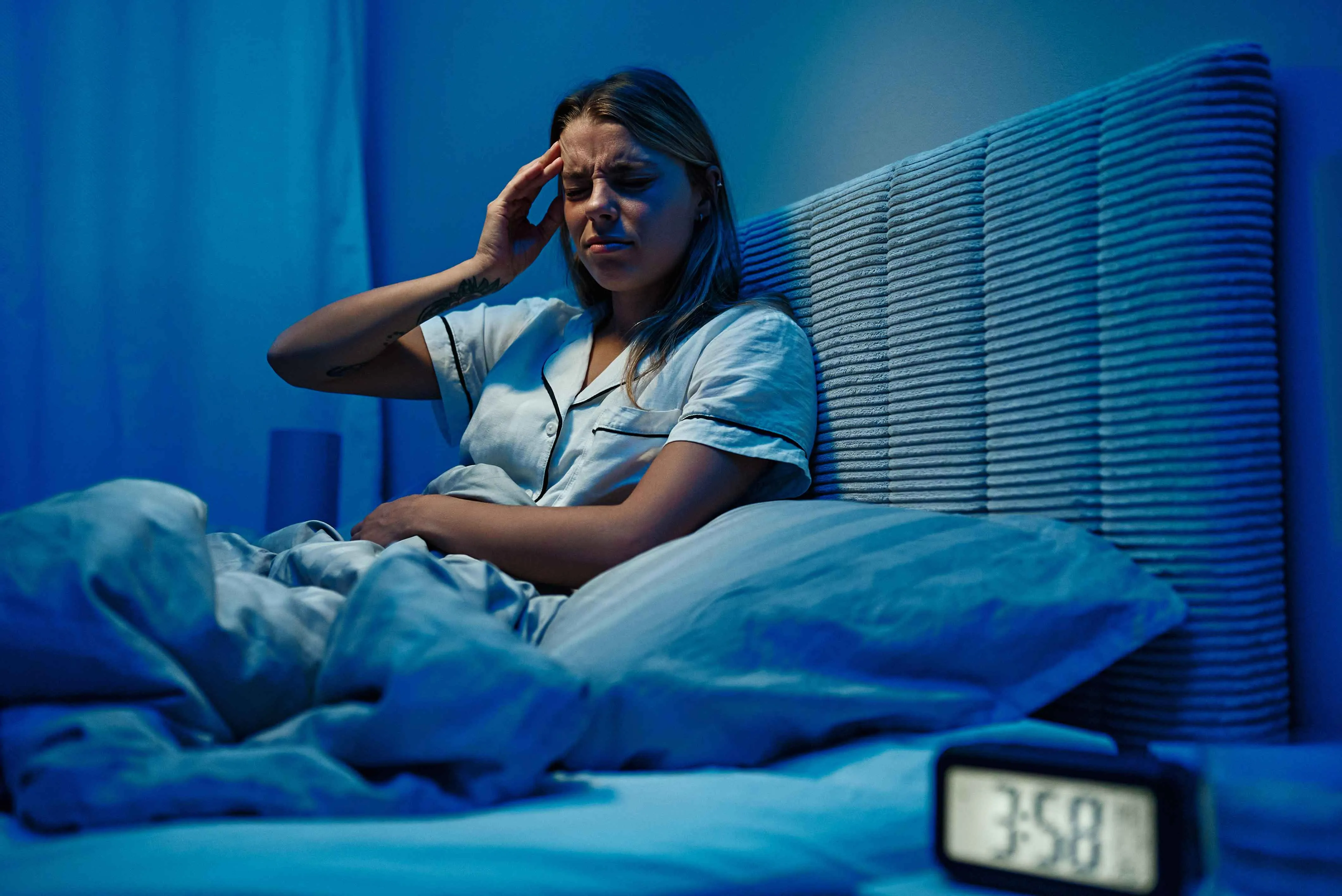


Anemia can leave you exhausted, weak, breathless, dizzy, or unable to concentrate. Those symptoms can make a poor night feel worse, and iron deficiency can contribute to restless legs syndrome 1. But anemia is not the same as feeling tired, and it is not a proven direct cause of insomnia.
A blood test establishes whether you have anemia. More testing is then needed to find out why, because iron deficiency is only one possibility and the right treatment depends on the cause 2.
If you are regularly dozing off, snoring loudly, gasping during sleep, or waking with headaches, do not assume anemia explains it. Those symptoms may point to a separate sleep disorder.
Anemia, fatigue, and sleepiness are different
Anemia means there is a lower-than-normal amount of healthy red blood cells or hemoglobin, the protein that carries oxygen. It can develop because the body loses blood, makes too few red blood cells, or destroys them too quickly 3 4.
The words people use for their symptoms matter:
- Fatigue is low energy, heaviness, or exhaustion. You may want to rest but not necessarily fall asleep.
- Excessive sleepiness is a strong tendency to doze, sometimes during reading, meetings, or driving.
- Insomnia is ongoing difficulty falling asleep, staying asleep, or getting restorative sleep despite having the opportunity.
- Restless legs syndrome (RLS) is an urge to move the legs, usually with uncomfortable sensations, that begins or worsens during rest, improves with movement, and is worse in the evening or at night.
- Shortness of breath is a breathing symptom, not sleepiness. With anemia it may first appear during activity, but severe breathlessness can occur at rest.
Anemia commonly causes fatigue and weakness. It can also cause pale skin, headache, dizziness, fainting, shortness of breath, and a fast or irregular heartbeat. Symptoms may be absent when anemia is mild or appear gradually as it worsens 5.
This distinction prevents two common mistakes. Sleeping longer will not correct anemia, and treating anemia will not necessarily fix sleepiness caused by insufficient sleep, sleep apnea, a sedating medicine, or another sleep disorder.
How anemia can affect sleep
Anemia may affect nights indirectly rather than switching off the brain's ability to sleep. Breathlessness, a pounding heartbeat, pain from an underlying illness, or restless legs can make it harder to settle or can wake you. Daytime fatigue may also reduce activity and disrupt a usual routine.
What the evidence does not support is a simple chain in which low hemoglobin automatically causes low nighttime oxygen, circadian-rhythm disruption, or chronic insomnia. Hemoglobin concentration and oxygen saturation measure different things. A pulse oximeter can show a normal percentage even when the blood carries less total oxygen because there is less hemoglobin available 6.
If sleep remains poor after anemia improves, assess the sleep problem on its own. Keep track of bedtime, awakenings, total sleep time, naps, snoring, breathing pauses, leg symptoms, and whether you unintentionally doze during the day.
The iron and restless legs connection
Iron status is relevant to RLS even when hemoglobin is normal. In other words, a person can have iron deficiency without anemia, anemia without RLS, or RLS for another reason.
Current American Academy of Sleep Medicine guidance says people with clinically significant RLS should have iron studies that include ferritin and transferrin saturation. The guideline uses RLS-specific iron thresholds that differ from the thresholds used for the general population, and some of its cutoff advice is based on expert consensus rather than direct testing in trials 1.
That is why a low ferritin result is not a stand-alone instruction to buy iron. A clinician should confirm that the symptoms fit RLS, review medicines and conditions that can worsen it, interpret ferritin together with transferrin saturation and inflammation, and decide whether oral iron, intravenous (IV) iron, or a non-iron RLS treatment is appropriate.
Periodic limb movements seen on a sleep study are not automatically RLS. RLS is diagnosed from the waking symptom pattern, while limb movements during sleep can occur with or without it 1.
Causes that matter when tiredness affects sleep
Finding the cause is more useful than guessing from symptoms or the size of a red blood cell.
Iron deficiency and blood loss
Iron deficiency can progress from depleted iron stores to impaired red blood cell production and finally iron-deficiency anemia. Common reasons include:
- heavy menstrual bleeding
- slow bleeding from the stomach or intestines
- pregnancy, when iron needs increase
- blood donation, surgery, or injury
- reduced absorption after some gastrointestinal operations or with conditions such as celiac disease
- inadequate intake, especially when needs are high
Iron-deficiency anemia may be the first clue to bleeding that is not visible. Depending on age, menstrual history, digestive symptoms, family history, medicines, and other risks, a clinician may recommend stool testing, testing for celiac disease or H. pylori, upper endoscopy, colonoscopy, or another evaluation. Gastroenterology guidance recommends investigating the source rather than relying on iron replacement alone in many adults with iron-deficiency anemia 7.
Vitamin B12 or folate deficiency
Vitamin B12 and folate are needed to make healthy red blood cells. Deficiency can cause enlarged red blood cells and anemia, but the two are not interchangeable.
B12 deficiency can also cause numbness, tingling, balance problems, memory changes, or other nerve symptoms, sometimes before anemia appears. Causes include pernicious anemia, gastrointestinal surgery or disease, low intake, and some medicines 8.
Large doses of folic acid can correct the blood-count changes of B12 deficiency without treating its neurological damage. B12 status should therefore be considered before folate deficiency is treated in isolation 9.
Chronic inflammation and kidney disease
Infection, autoimmune disease, cancer, and other inflammatory conditions can reduce red blood cell production and make stored iron less available. Ferritin may be normal or high during inflammation, so it has to be interpreted with the rest of the iron panel and clinical context.
Chronic kidney disease can cause anemia partly because damaged kidneys make less erythropoietin, a hormone that signals the bone marrow to make red blood cells. Iron deficiency, inflammation, blood loss, and shortened red-cell survival can contribute at the same time 10.
Red blood cell destruction or reduced production
Hemolytic anemia occurs when red blood cells are destroyed faster than the body replaces them. It can develop quickly or slowly and may be inherited or acquired 11. Jaundice or dark urine can be clues that red blood cells are breaking down, although testing is required 5.
Bone marrow disorders, inherited hemoglobin conditions such as sickle cell disease or thalassemia, medicines, infections, and other illnesses can also cause anemia. These require cause-specific care, not routine iron.
How anemia is diagnosed
Start with an appointment and a complete blood count (CBC), not an iron supplement trial. The CBC includes hemoglobin, hematocrit, red blood cell count, and measures such as mean corpuscular volume (MCV), which describes average red-cell size. The laboratory's reference range and the person's age, sex, pregnancy status, altitude, and clinical situation all affect interpretation 2.
A clinician may then order:
- Reticulocyte count: shows whether the bone marrow is producing replacement red blood cells.
- Iron studies: commonly ferritin, serum iron, total iron-binding capacity or transferrin, and transferrin saturation.
- B12 and folate tests: especially with large red cells, dietary risk, malabsorption, or neurological symptoms.
- Kidney, liver, thyroid, or inflammation tests: chosen from the history and CBC pattern.
- Hemolysis tests: such as bilirubin, lactate dehydrogenase, haptoglobin, a blood smear, and sometimes a direct antiglobulin test.
- Tests for blood loss or malabsorption: guided by menstrual, pregnancy, digestive, surgical, and medicine history.
Ferritin is useful because it reflects stored iron and can fall before hemoglobin does. It also rises with inflammation, however, so a single value can be misleading. Low ferritin does not by itself explain every symptom, and a normal ferritin does not always exclude iron deficiency during inflammation or kidney disease 12.
Ask for the actual CBC and iron-study results, not only “your iron is low.” It helps to know whether anemia is present, what pattern the red cells show, whether iron deficiency is confirmed, and what the plan is to identify and correct the cause.
Treatment should match the cause
Improving the blood count may improve fatigue and exercise tolerance, but anemia treatment is not a general sleep treatment.
Iron treatment
Oral iron is often used for confirmed iron deficiency when the digestive tract can absorb it. Nausea, constipation, abdominal discomfort, diarrhea, and dark stools are common reasons people struggle with it. Clinicians can adjust the preparation or schedule and check whether hemoglobin and iron stores respond.
IV iron may be considered when oral iron is not tolerated, is unlikely to be absorbed, does not improve iron stores after a reasonable trial, or ongoing blood loss or a condition such as kidney disease makes it the better option. The American Gastroenterological Association advises limiting oral iron to once daily at most, notes that every-other-day dosing may be better tolerated for some people, and recommends IV iron in several situations where oral therapy is ineffective or unsuitable 13.
Do not use those points to set your own dose. Iron can interact with medicines, including levothyroxine and levodopa, and unnecessary iron can cause gastrointestinal injury or accumulate in people prone to iron overload. Accidental overdose can be fatal to young children, so keep every iron-containing product secured out of their reach 12.
Diet can support treatment but may not replace enough iron quickly when anemia is established. A clinician or dietitian can help match food choices to the cause, absorption issues, pregnancy, kidney disease, or other needs.
B12, folate, kidney, and other treatments
Vitamin B12 may be replaced by mouth or injection depending on the cause, severity, symptoms, and ability to absorb it. Folate is replaced when deficiency is established, with B12 safety addressed first. Correcting the nutrient without addressing malabsorption, a medicine effect, or an inadequate diet may allow the problem to return.
Anemia related to kidney disease may require iron, B12 or folate replacement, treatment of another contributor, or an erythropoiesis-stimulating agent. These medicines are not appropriate for every person and require monitoring 10.
Bleeding may need gastrointestinal, gynecologic, or surgical treatment. Hemolytic, inherited, inflammatory, cancer-related, and bone marrow conditions each have their own treatment path.
Blood transfusion
A red blood cell transfusion can raise hemoglobin quickly, but it is reserved for selected situations such as severe symptoms, major blood loss, instability, or particular medical conditions. Modern transfusion guidance favors a restrictive strategy for most stable hospitalized patients and emphasizes the whole clinical context, not a fatigue complaint or one number alone 14.
What to do about sleep while treatment takes effect
Keep a regular sleep and wake time, make room for the sleep duration you need, and use a brief symptom log to separate fatigue from unintended dozing. Gentle activity may help preserve routine if your clinician says it is safe, but do not push through chest pain, marked breathlessness, faintness, or a racing heart.
If leg discomfort matches the RLS pattern, mention when it begins, what relieves it, how often it occurs, and every medicine or supplement you take. Antihistamines and some antidepressant, antipsychotic, and anti-nausea medicines can worsen RLS in some people, but do not stop a prescribed medicine without discussing a safe alternative 1.
Do not use sedatives to cover up unexplained nighttime symptoms. If you unintentionally doze while driving or doing safety-sensitive work, stop the activity and seek prompt medical advice. Anemia may contribute to poor function, but dangerous sleepiness also needs its own evaluation.
When to seek urgent care
Seek emergency care now for:
- chest pain, fainting, confusion, or severe weakness
- severe shortness of breath, breathlessness at rest, or difficulty speaking because of breathing
- a very fast or irregular heartbeat with dizziness, chest pain, or breathlessness
- vomiting blood, coughing up blood, black tarry stool, or a large amount of blood in stool
- rapid or uncontrolled bleeding
Chest pain, severe breathing difficulty, fainting, and signs of acute gastrointestinal bleeding need urgent assessment because they can signal severe anemia, shock, or another emergency 5 15.
Contact a clinician promptly for persistent fatigue, breathlessness with ordinary activity, paleness, dizziness, pica such as craving ice, heavy menstrual bleeding, jaundice, dark urine, new numbness or tingling, or frequent RLS symptoms.
Pregnancy changes normal blood values and increases iron needs. If you are pregnant, contact your prenatal clinician promptly about suspected anemia, heavy bleeding, shortness of breath, faintness, or severe fatigue. Pregnancy anemia should be tested and managed in that context rather than treated with extra iron beyond the prenatal plan on your own 16.
Common questions
Can anemia cause insomnia?
Anemia can make sleep harder indirectly through breathlessness, palpitations, pain, or RLS, but it is not an established direct cause of chronic insomnia. If difficulty sleeping continues after the anemia is corrected, ask for a separate insomnia assessment.
Can anemia make you sleep all day?
It can cause profound fatigue, but a tendency to fall asleep repeatedly is excessive sleepiness. Insufficient sleep, sleep apnea, medicines, narcolepsy, and other conditions can cause that pattern. A clinician should not assume a low blood count explains all daytime dozing.
Does iron keep you awake if you take it at night?
Iron is not a stimulant. Timing is usually chosen around absorption, stomach side effects, other medicines, and a schedule you can follow, not because iron directly causes insomnia. Follow the product and clinician instructions rather than changing the dose or timing to treat sleep.
Can sleep apnea cause anemia?
Obstructive sleep apnea is not a usual cause of anemia. It can cause unrefreshing sleep and daytime sleepiness that resemble anemia-related fatigue, so the two can be confused or coexist. A CBC evaluates anemia; a sleep study or other sleep evaluation assesses apnea.
Will treating anemia fix my sleep?
It may improve fatigue and symptoms that were disturbing sleep, especially if iron deficiency was contributing to RLS. It will not necessarily fix insomnia, sleep apnea, insufficient sleep, or another sleep disorder. Improvement should be judged by repeat blood tests and by whether the original symptoms resolve.
The bottom line
Anemia can affect how you feel during the day and can disturb sleep indirectly, but symptoms alone cannot diagnose it. A CBC establishes whether anemia is present. Iron studies and cause-directed testing then show whether the problem is iron deficiency, blood loss, B12 or folate deficiency, kidney or inflammatory disease, red blood cell destruction, or another condition.
Treat the cause, not just tiredness or one ferritin value. RLS deserves special attention because its iron guidance differs from general anemia care. Persistent sleepiness, snoring, gasping, or insomnia still needs a separate sleep evaluation, even when anemia is real.