


Baby sleep changes quickly during the first year, but it rarely follows a neat schedule. Newborns sleep in short stretches across day and night, often waking to feed. Over the following months, sleep usually shifts toward nighttime and naps become more organized. Even then, waking is common and development does not happen on a fixed timetable.
A systematic review of 74 studies found a consistent overall direction of change during the first year but wide disagreement in the exact sleep values reported. That variation is why one baby's pattern should not be used as a medical rule for another 1.
The priorities are simpler: meet feeding and health needs, offer repeatable cues for sleep, and use a safe sleep setup every time. A baby does not have to "sleep through the night" by a certain age to be normal.
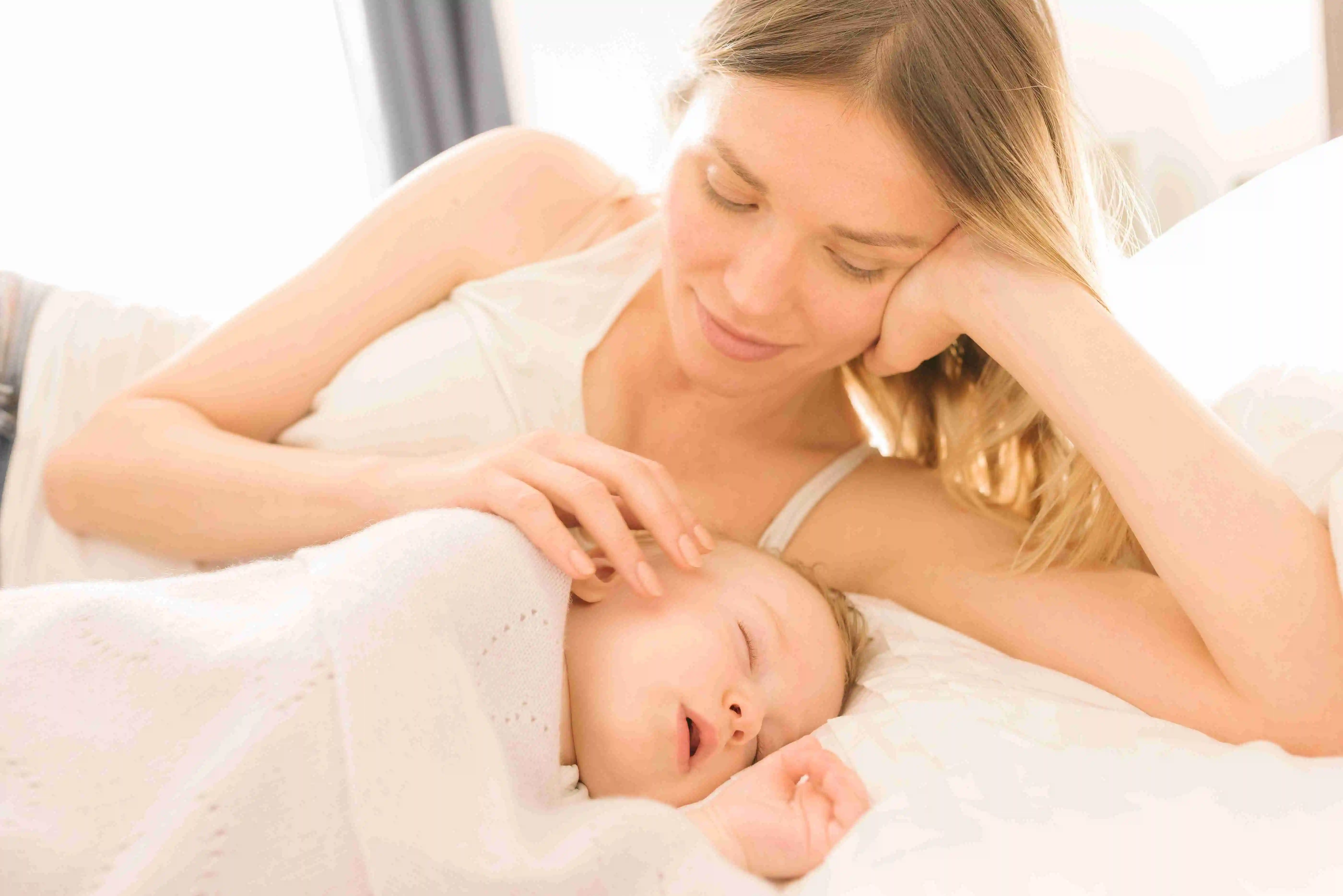
How much sleep do babies need?
The American Academy of Sleep Medicine recommends 12 to 16 hours of sleep in each 24-hour period, including naps, for infants ages 4 to 12 months. This is a population-level range, not a target that every baby must meet each day. The recommendation does not set a duration for babies younger than 4 months because sleep is especially variable at that age 2.
Look at the whole pattern rather than one difficult night. A baby who feeds and grows well, has alert periods, and settles after at least some wakings may be doing well even if their timing differs from a chart. Prematurity, illness, reflux symptoms, and developmental differences can change the picture, so corrected age and the baby's clinical plan matter.
Contact your baby's clinician if sleep has changed sharply, feeding or growth is a concern, or your baby regularly seems unusually difficult to wake. Total hours alone cannot show whether a baby is healthy.
How sleep often changes during the first year
Birth through about 3 months
Newborn sleep is scattered around the clock. Their internal day-night rhythm is still developing, and a stretch of sleep often ends because they need to feed, be changed, or be comforted. Frequent waking at this stage is expected.
Gentle day-night cues can help without forcing a schedule. Open curtains and interact normally during daytime wake periods. At night, keep feeds and diaper changes calm, with low light and little stimulation. The pattern usually becomes more nighttime-focused gradually.
Around 3 to 6 months
Some babies begin to have a longer first stretch of nighttime sleep, but others continue to wake often. Naps may become easier to recognize without occurring at the same time every day. Rolling can also begin in this period, which changes how swaddling must be handled.
Around 6 to 12 months
Nighttime sleep often becomes more consolidated and the number of naps may decrease. Teething, illness, travel, new motor skills, and wanting a caregiver nearby can still interrupt a previously workable pattern. These changes are often called a "sleep regression," but that term is an informal label, not a diagnosis or a reliable calendar event.
A temporary change does not mean that earlier routines have failed. Check for discomfort or illness, keep the familiar parts of the routine, and give the baby time to adjust.
Feeding and nighttime waking
Hunger is a normal reason for a baby to wake. Newborns, in particular, may need feeds throughout the night. The CDC notes that breastfed newborns may want to feed every 1 to 3 hours, including overnight, though individual needs and other feeding methods vary 3.
Follow hunger cues and the plan given by your pediatric or feeding-care team. A premature baby or one with jaundice, slow weight gain, or feeding difficulty may need to be woken for feeds. Do not lengthen the time between feeds just to meet a sleep schedule unless the baby's clinician has said it is appropriate.
Feeding to sleep is not automatically a bad habit. If it works for the family and the baby transfers safely to their own sleep space, it does not have to be stopped. If every waking requires a long feed and that is becoming unsustainable, first make sure feeding and growth are going well. Then try adding another settling cue, such as a song, rocking, or a partner's comfort, one waking at a time.
A safer sleep setup for every nap and night
Safe sleep guidance applies even when a baby sleeps better in another position or on a softer surface. The American Academy of Pediatrics policy and its technical report recommend back sleeping, a firm and noninclined surface, an empty sleep space, and room-sharing without bed-sharing to reduce the risk of SIDS and other sleep-related deaths 4 5.
Use the same setup for every caregiver and every sleep:
-
Place baby on their back. Start every nap and nighttime sleep on the back through the first birthday, including for babies with reflux. Do not use side or stomach placement. Once a baby can roll from back to stomach and stomach to back without help, keep placing them on their back but let them choose their position after they roll. Keep the sleep space empty.
-
Use a firm, flat, level surface made for infant sleep. Choose a safety-approved crib, bassinet, bedside sleeper, or portable play yard with a firm mattress and fitted sheet. In the United States, the product should meet Consumer Product Safety Commission standards. Do not use an inclined sleeper, hammock, positioner, wedge, nursing pillow, or adult mattress as a sleep surface.
-
Keep the space empty. Leave out pillows, loose sheets and blankets, quilts, stuffed toys, bumpers, sleep positioners, and weighted blankets or weighted sleepwear. A fitted sheet is enough. A properly sized, nonweighted wearable blanket can provide warmth without loose bedding.
-
Room-share without bed-sharing. Keep the baby's separate sleep space close to the adult bed for at least the first 6 months. Do not share an adult bed, couch, or armchair with a sleeping baby.
-
Avoid overheating. Dress the baby for the room rather than bundling them. Keep the head and face uncovered, remove hats indoors, and check for sweating, flushed or hot skin, or a hot chest.
-
Keep smoke, vaping, alcohol, marijuana, opioids, and other impairing drugs away from infant care. Smoke and nicotine exposure raise risk. A caregiver who has used alcohol, sedating medicine, or another impairing substance should not bring the baby into an adult bed or handle nighttime care alone.
-
Consider a pacifier at naps and bedtime. Do not force it or replace it after it falls out. If directly breastfeeding, wait until feeding is well established before introducing one. Do not attach a pacifier to clothing, a toy, a blanket, or a cord during sleep.
These steps, including the guidance on rolling, pacifiers, overheating, smoke, and substances, follow the NIH Safe to Sleep recommendations 6.
Swaddling and rolling
Swaddling may calm some young babies, but it does not reduce SIDS risk. Always place a swaddled baby on their back. Stop swaddling as soon as the baby shows signs of trying to roll, which can happen earlier than expected. Do not wait for a particular age, and do not use a weighted swaddle. Make sure the hips and legs can move freely 5.
Car seats, strollers, swings, and carriers
A properly installed car seat is essential during travel, but sitting devices are not regular sleep spaces. If a baby falls asleep in a car seat, stroller, swing, sling, or carrier, move them to their firm, flat sleep surface as soon as practical after travel or use. Never add padding or allow the baby's chin to slump toward the chest 7.
Breastfeeding and accidental sleep
Human milk feeding is associated with a lower risk of SIDS, but feeding method does not change the sleep-surface rules. Breastfeeding families should still place the baby in a separate infant sleep space after the feed 4.
Couches and armchairs are especially dangerous if a caregiver dozes while feeding. If you might fall asleep, do not settle there with the baby. When feeding in an adult bed, clear pillows, loose blankets, and other soft items away from the baby before starting, then return the baby to their own sleep space as soon as you are awake. This reduces some hazards if sleep happens accidentally, but it does not make bed-sharing safe 7.
Naps and bedtime routines
Naps count toward a baby's total sleep and continue throughout the first year. Their timing and length can change from week to week. Watch for the baby's own signs, such as looking away, becoming quieter, yawning, or getting fussy. A wake-window chart can be a planning aid, but it cannot tell you exactly when an individual baby must sleep.
Trying to keep a tired baby awake so they will sleep longer at night can backfire by making settling harder. Offer a nap when the baby appears ready, using the same safe surface as at night. If the baby falls asleep on you, stay fully awake, keep their face and airway visible, and move them to their regular sleep space before you become drowsy.
A bedtime routine does not need to be elaborate. Choose a few calm steps that can be repeated most nights, such as:
- Feed and change the baby as needed. 2. Lower the lights and reduce active play. 3. Read a short book, sing, or cuddle. 4. Place the baby on their back in the prepared sleep space.
"Drowsy but awake" works for some babies, but it is not a requirement. A baby who needs rocking, feeding, or hands-on comfort has not failed to learn a skill. If the current routine is wearing the caregiver down, small gradual changes are often easier to sustain than changing everything at once.
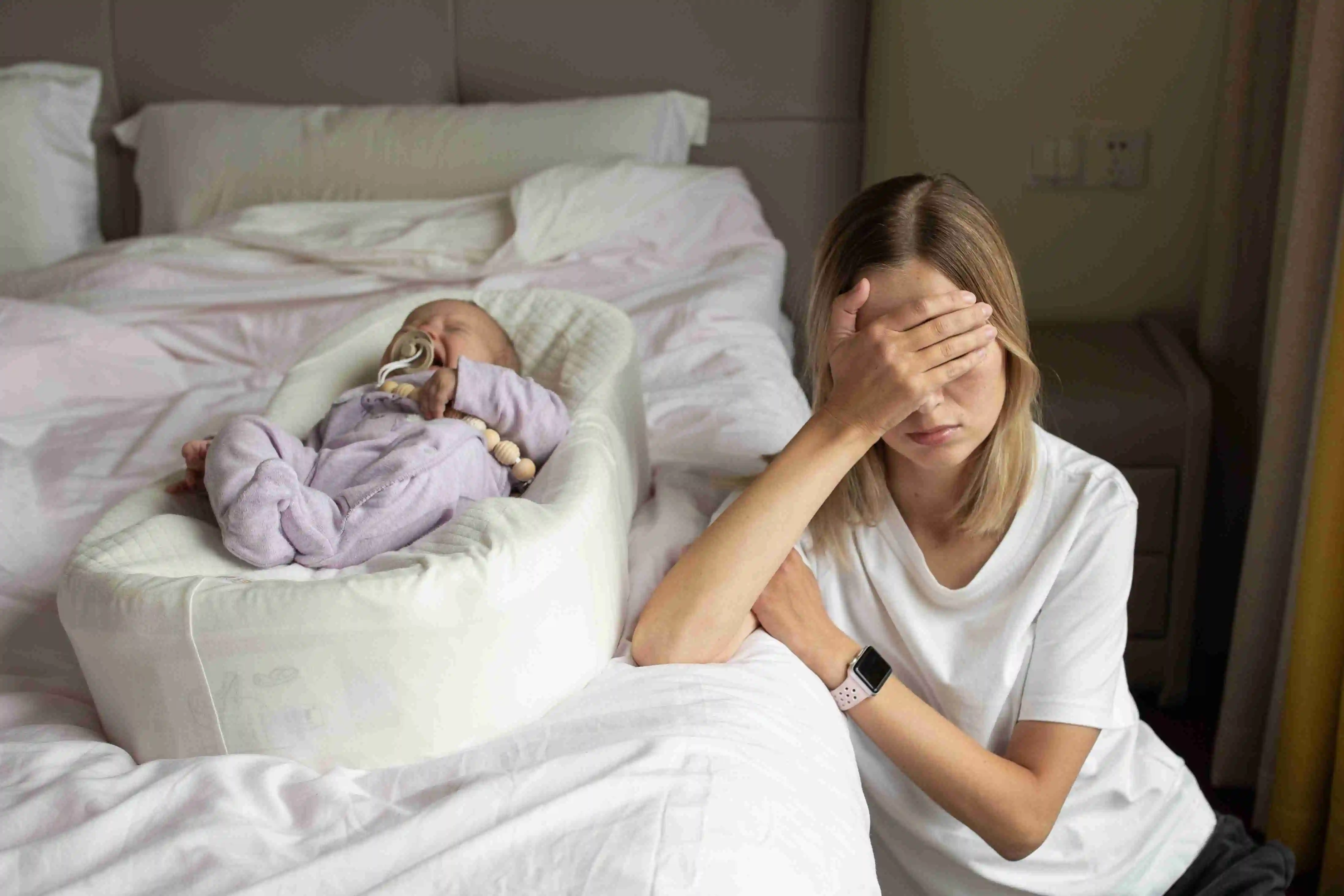
What to try when sleep is difficult
Start with the needs that can change quickly:
- Offer a feed if the baby shows hunger cues. * Check the diaper, clothing, room temperature, and signs of pain or illness.
- Keep nighttime light and interaction low while still responding to the baby.
- Use one familiar calming cue, then give it time before switching to several new strategies.
- Share nighttime care with another capable adult when possible. Make sure every caregiver follows the same safe sleep rules.
If the pattern remains difficult, note sleep, feeds, symptoms, and wet diapers for a few days. A simple record can help a pediatric clinician separate normal waking from feeding trouble, reflux symptoms, eczema, breathing problems, or another source of discomfort.
What about sleep training?
Sleep training is an umbrella term, not one method. It can include responsive settling, gradually reducing hands-on help, moving a parent's chair farther away, shifting bedtime later and then earlier, timed check-ins, or leaving a baby to settle for a period.
No family has to sleep train. During the newborn period, the focus should be responsive feeding, soothing, and safe sleep. For an older infant who is healthy and growing well, a family may decide that a gradual or more structured approach fits their needs. Others may continue responding at each waking.
The evidence does not identify one necessary or best approach. A 2020 systematic review found modest short-term benefits for several behavioral approaches, but only 12 studies met its criteria and no intervention had been evaluated in more than one trial. The authors also found important gaps for babies under 6 months, high-risk families, cultural settings, and methods that include extinction 8.
Before using a method that delays a response, talk with the baby's clinician if there are feeding or growth concerns, prematurity, developmental or medical conditions, unusual crying, or possible illness. Do not ignore hunger or breathing difficulty, withhold a needed feed, use unsafe sleep props, or give a medicine or supplement to make a baby sleep unless their clinician specifically prescribes it.
When a sleep change needs medical care
Waking, brief fussing, and changing nap patterns are common. The following signs need prompt medical attention rather than a new sleep routine:
- poor feeding, repeated vomiting, or a sudden drop in wet diapers * a dry mouth, no tears when crying, a sunken soft spot, or unusual sleepiness, which can be signs of dehydration
- a baby who is much harder to wake than usual, unusually limp, or not interacting normally when awake
- fast or labored breathing, grunting, skin pulling in around the ribs, repeated pauses in breathing, or persistent blue or gray color around the lips or face
The American Academy of Pediatrics advises immediate medical assessment for a baby age 3 months or younger with a rectal temperature of 100.4°F (38°C) or higher, even if there are no other symptoms 9. A clear drop in urination, dry mouth, a sunken soft spot, and excessive sleepiness can signal dehydration 10.
Call emergency services for severe trouble breathing, blue or gray lips or face, unresponsiveness, or a baby who cannot be woken. Persistent blue color can mean the baby is not getting enough oxygen 11.
Caregiver exhaustion is also a safety issue. If you are afraid you will fall asleep holding the baby, place them on their back in the empty sleep space, even if they cry, and wake or call another trusted adult. Contact your health professional if exhaustion is becoming unmanageable. If you think you might harm yourself or the baby, put the baby somewhere safe and get emergency help now.
The bottom line
Infant sleep matures over time, with plenty of variation along the way. A workable routine can support the family, but no fixed schedule or sleep-training method is required. Respond to feeding and health needs, use calm and repeatable cues, and keep every sleep on the back in a firm, flat, separate, empty sleep space.