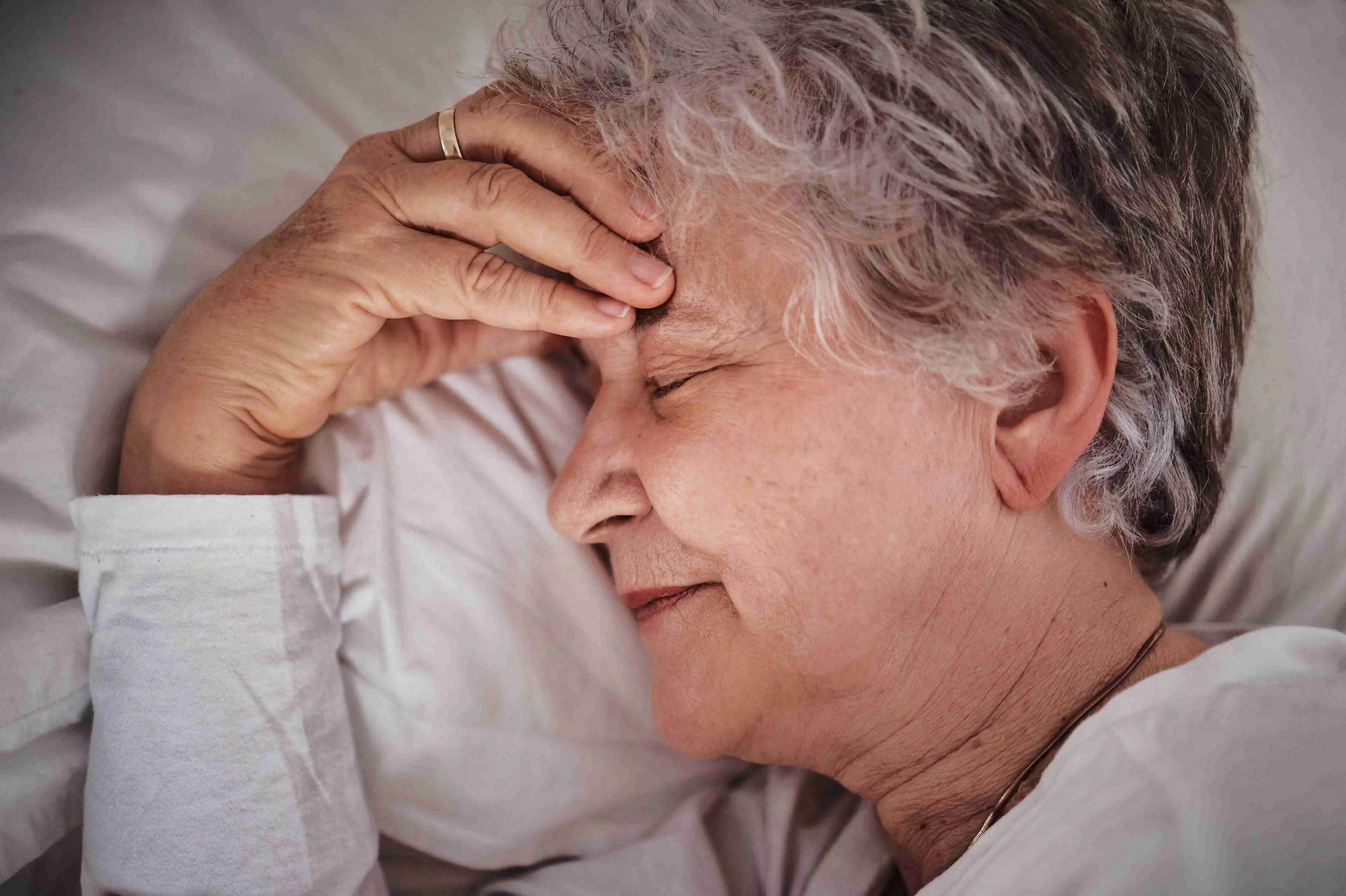
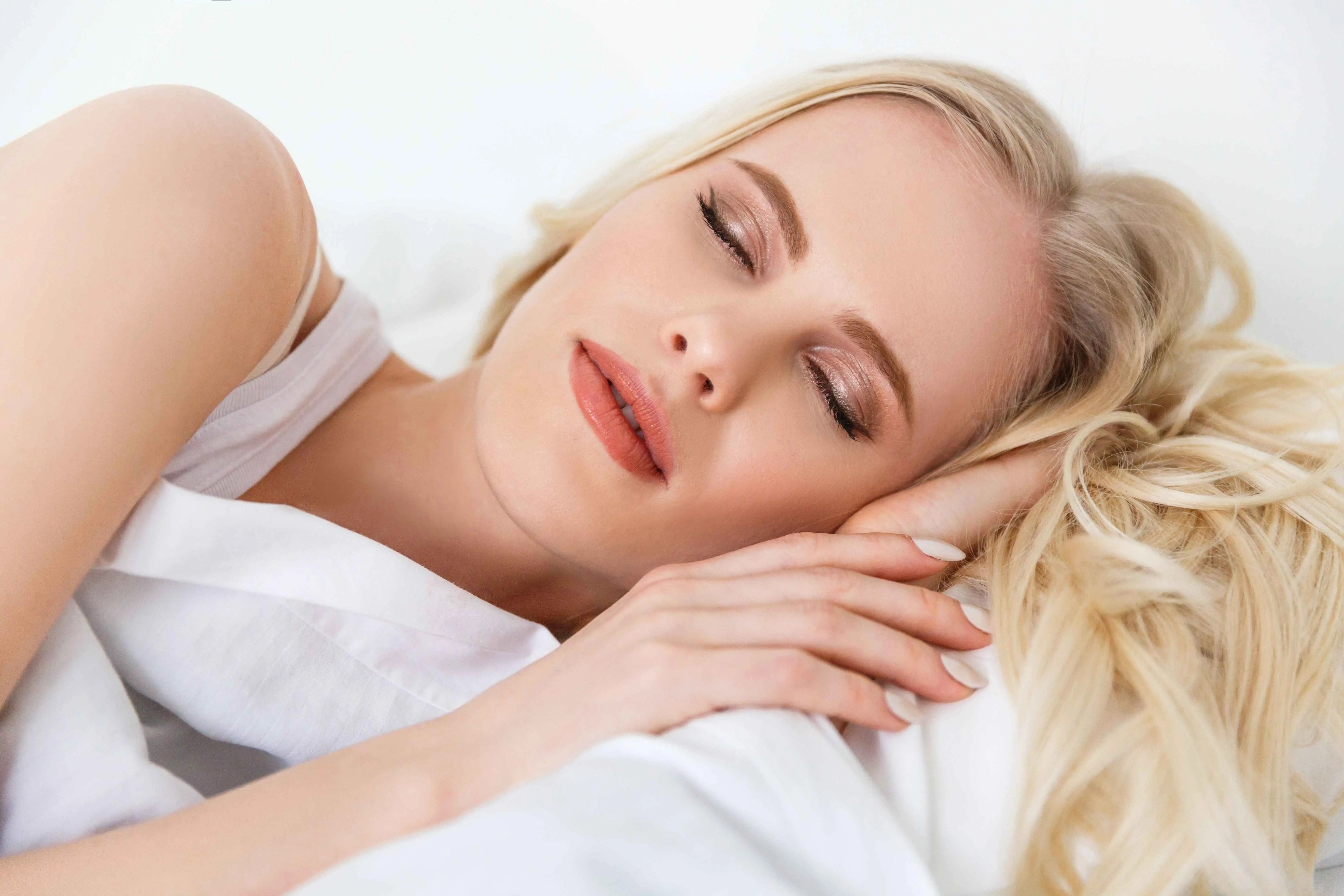
"Beauty sleep" is real in a limited sense. After a very short night, people may look more tired, with changes around the eyes, skin color, and facial expression. Small human studies also suggest that severe short-term sleep restriction can change skin-barrier measurements.
The evidence does not show that sleep erases wrinkles, produces flawless skin, clears acne, or makes hair grow faster. Most research beyond the immediate tired look comes from small laboratory experiments or observational studies that cannot separate sleep from stress, health, sun exposure, smoking, income, skin care, and other influences.
Sleep is worth protecting for health and how you feel. It cannot substitute for sunscreen, dermatologic treatment, or care for a persistent sleep disorder.
What changes can show up after sleep loss?
The clearest evidence concerns how a face is perceived after acute sleep loss. In a small experiment, 23 healthy adults were photographed after normal sleep and after a period of sleep deprivation. Independent observers rated the sleep-deprived photos as looking more tired, less healthy, and less attractive 1.
A second experiment photographed 10 people after normal sleep and after deprivation. Forty observers rated the sleep-deprived faces as having more hanging eyelids, red or swollen eyes, darker under-eye circles, paler skin, more visible lines around the eyes, droopier mouth corners, and a sadder expression 2.
These studies support a short-term "tired face" effect. They do not show permanent aging. The participant groups were small, the sleep-loss conditions were more severe than an ordinary imperfect night, and ratings such as attractiveness are subjective and shaped by social and cultural expectations.
Eyes, circles, and puffiness
Sleep loss can make eyelid position, eye redness, swelling, and under-eye darkness more noticeable to observers 2. That does not mean lack of sleep is the only cause. Genetics, facial anatomy, pigmentation, allergies, eczema, fluid retention, rubbing the eyes, and aging can all affect this area.
The normal-sleep photos were rated as less tired, but these experiments did not establish how many recovery nights any one person needs. Persistent dark circles or puffiness may not respond to more sleep.
Skin color and expression
Paler or less saturated skin color and changes in the eyes and mouth can contribute to a tired appearance. Facial expression also matters. In the laboratory study, observers saw the sleep-deprived faces as sadder, even though the experiment was designed to change sleep, not mood 2 3.
This helps explain why someone can look more refreshed after rest without implying that the structure or age of their skin changed overnight.
Does short sleep affect the skin barrier?
The skin barrier is the outer layer that limits water loss and helps protect against irritants. A study of 24 healthy women restricted sleep to 3 hours a night for two nights. Researchers measured lower facial skin hydration, greater water loss through the skin, and changes in elasticity and color after restriction 3.
That is a useful signal, but it is not a normal-life guarantee. The study was small, included only women ages 30 to 55 who usually slept well, and was funded by LVMH Research. Its extreme two-night protocol cannot tell us how much a typical late night changes anyone's skin or whether the effects persist.
Another study compared 60 healthy White women who reported good or poor sleep. Poor sleepers had higher water loss at baseline and slower recovery after the researchers disrupted the barrier with tape. They also had higher scores for intrinsic skin aging 4.
That study found an association, not proof that poor sleep caused the differences. It was cross-sectional and used a narrow population. Sleep quality could be linked with other behaviors or health factors that also affect skin.
Can sleep slow skin aging?
Good sleep supports normal physiology, but calling it an anti-aging treatment goes beyond the evidence. The observational study above linked poor sleep with higher intrinsic-aging scores, while small sleep-restriction experiments found temporary changes in hydration, color, elasticity, or fine-line visibility 4 3.
None of these studies shows that adding sleep reverses established wrinkles or restores lost collagen. Fine lines can also look more obvious when skin is dry or the eyes are narrowed, which is different from proving accelerated structural aging.
Ultraviolet exposure is a well-established cause of premature skin aging. Sleep cannot replace shade, protective clothing, or a broad-spectrum, water-resistant sunscreen with SPF 30 or higher 5.
What about acne?
People with acne often report poorer sleep, and people with poor sleep often report more acne. A 2025 review found this pattern across 18 included reports, but most of the evidence was cross-sectional or otherwise unable to establish which came first 6.
Several explanations are possible. Stress may worsen both sleep and acne. Pain, itching, treatment side effects, or distress about appearance may disrupt sleep. Hormones and inflammatory pathways are biologically plausible links, but a plausible mechanism does not prove that sleeping longer will clear a breakout.
No strong intervention evidence shows that treating sleep alone is an acne treatment. Keep using an evidence-based acne plan, and seek dermatologic care for painful, scarring, persistent, or distressing acne 7.
Does sleep affect hair growth or shedding?
Current evidence does not show that an extra hour of sleep makes hair shinier, stronger, or faster-growing. A 2026 systematic review found that sleep problems were common in people with several forms of hair loss, including alopecia areata, pattern hair loss, telogen effluvium, and some scarring conditions. The evidence was mostly cross-sectional, ranged from low to moderate quality, and included no intervention studies proving that improving sleep regrows hair 8.
The relationship may run both ways. Stress, pain, itching, and concern about hair loss can interfere with sleep, while sleep disruption may accompany conditions that affect hair. Sudden shedding, patchy loss, scalp pain or inflammation, or progressive thinning deserves evaluation rather than a sleep-only solution. A dermatologist can distinguish excess shedding from a hair-loss disorder and look for treatable causes 9.
Does sleep help wounds heal?
Sleep participates in normal immune regulation, and one controlled human study found slower recovery of experimental skin wounds during severe restriction. Healthy adults allowed 2 hours of sleep nightly for three nights took about 5 days to restore the skin barrier, compared with about 4.2 days in an adequately rested group 10.
The experiment used small suction-blister wounds and an unusually intense sleep-loss protocol. It cannot tell us how much ordinary sleep variation affects a surgical incision, burn, diabetic ulcer, or infected wound. Follow wound-care instructions and seek medical help for spreading redness, worsening pain, pus, fever, or a wound that is not healing.
Why the research is easy to overstate
Sleep and appearance are difficult to study in isolation:
- Small deprivation experiments can show what happens under tightly controlled, short-term conditions, but they may not resemble everyday sleep.
- Observational studies can find that two things occur together, but cannot prove that one caused the other.
- Skin type, age, hormones, health conditions, medications, stress, work schedules, and environmental exposures can confound a result.
- Many studies include only women or a narrow racial group, limiting how confidently the findings apply to other people.
- Some skin studies have beauty-industry funding or employees among the authors. That does not make a finding false, but independent replication matters.
Claims about overnight collagen surges, wrinkle prevention from a particular sleep position, or special pillowcases producing healthier skin or hair are not established by the studies above.
A practical sleep plan without beauty promises
Most healthy adults should sleep at least 7 hours per night on a regular basis, although individual needs vary 11. These habits can make sufficient, consistent sleep more likely:
- Keep wake time and bedtime reasonably consistent.
- Make the bedroom quiet, dark, and comfortably cool.
- Use a short wind-down routine that does not depend on buying a product.
- Get regular daytime activity and light exposure.
- Avoid caffeine, nicotine, and alcohol close to bedtime.
- If you cannot sleep, focus on the sleep problem rather than adding more time in bed or closely inspecting your appearance the next morning.
These are general sleep supports, not cosmetic treatments 12. For persistent insomnia, cognitive behavioral therapy for insomnia is an established treatment that a clinician can help you access 12.
Keep appearance care equally straightforward: use gentle products that suit your skin, follow prescribed treatment, avoid picking acne, and protect skin from ultraviolet exposure. Sleep can support the plan, but it does not replace it.
When to seek care
Talk with a healthcare professional if trouble falling asleep, staying asleep, or getting restorative sleep is affecting daytime function. Loud habitual snoring, gasping, breathing pauses, severe daytime sleepiness, or sleepiness while driving need prompt assessment. A sleep diary covering 1 to 2 weeks can help a clinician see the pattern 13.
See a primary care clinician or dermatologist for a new or persistent rash, painful or scarring acne, rapid or patchy hair loss, scalp inflammation, an unexplained change in skin color, or a wound that is not healing normally.
These changes can have causes unrelated to sleep. More sleep alone should not delay evaluation.
Common questions
Will one good night make me look better?
It may reduce a visibly tired expression, particularly around the eyes, but the response varies. One night does not reverse skin aging or treat an underlying cause of dark circles.
Is deep sleep the part that repairs skin?
The appearance studies do not establish a special amount of deep sleep that produces better skin. "Beauty sleep" is a casual term, not a clinical sleep stage.
Can sleeping on my back prevent wrinkles?
Strong evidence that one sleep position prevents long-term wrinkles is lacking. Choose a safe, comfortable position that supports your sleep and any medical needs.
Is six hours enough for beauty sleep?
There is no separate cosmetic threshold. For health, expert consensus recommends at least 7 hours on a regular basis for most adults 11. Someone who regularly gets 6 hours and feels unrefreshed should consider whether schedule, insomnia, or another sleep problem is limiting rest.