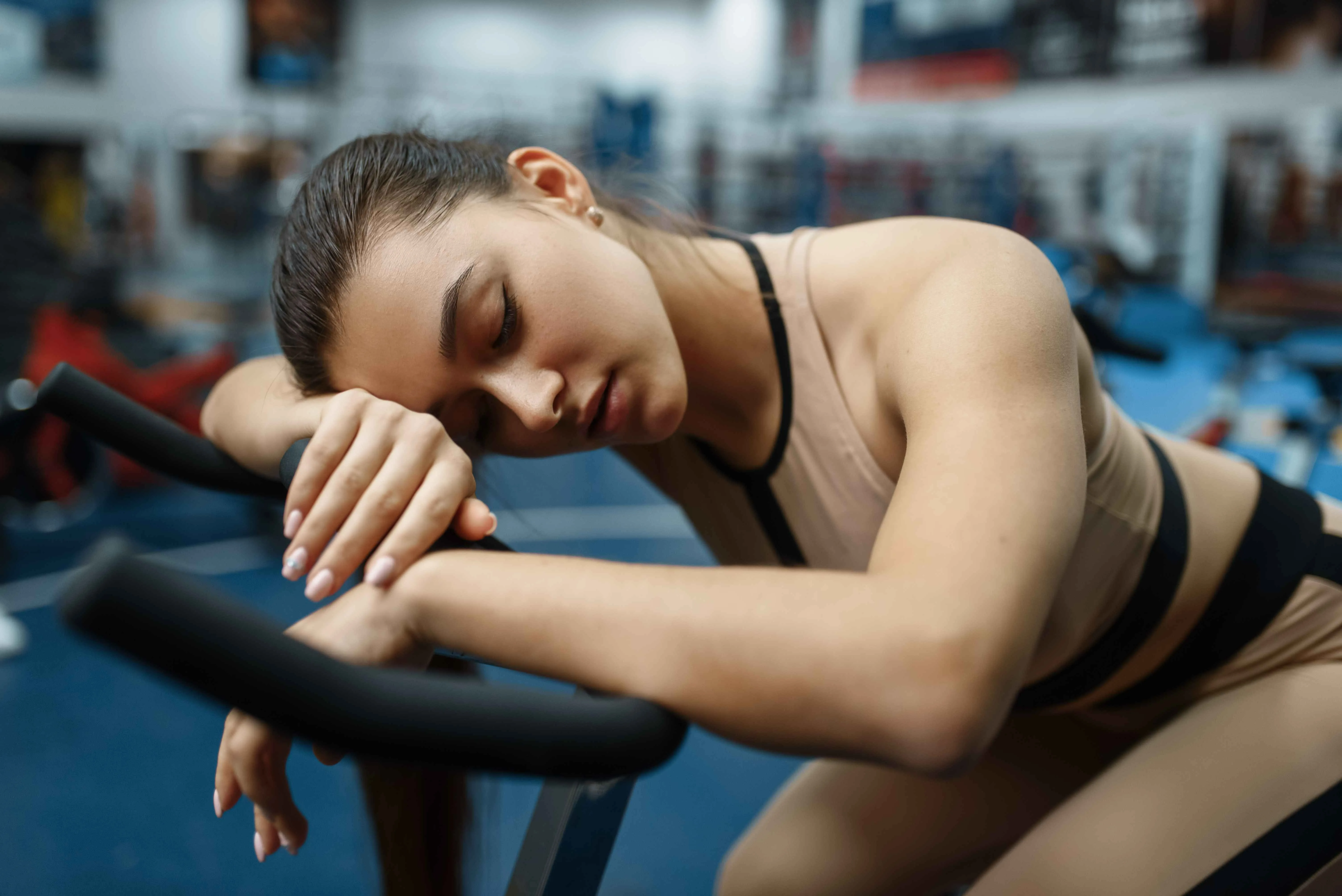

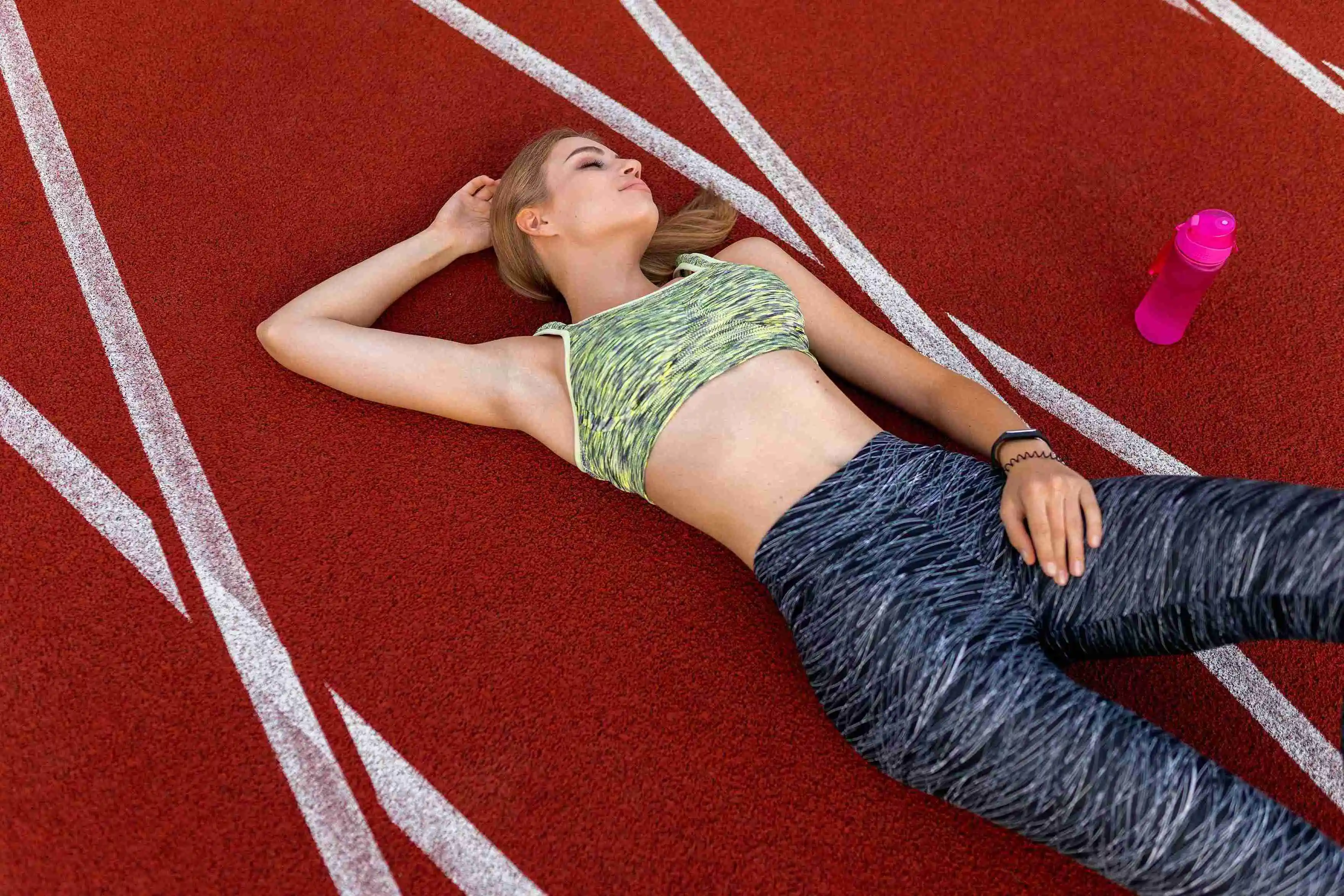
No. Being an athlete does not guarantee better sleep.
Regular exercise can support sleep, but an athlete's schedule can work against that benefit. Early training shortens the night. Evening competition delays the chance to wind down. Travel shifts the body clock. Pain, high training loads, school or work, and pressure before competition can all interfere with sleep.
The result depends on the person, sport, level of competition, training phase, age, travel demands, and how sleep is measured. Some recreational athletes sleep well. Some elite athletes regularly sleep too little or report fragmented, unrefreshing sleep.
Exercise can help sleep, but that is not the whole story
Studies in the general adult population support a modest sleep benefit from regular exercise. A meta-analysis of 22 randomized trials found clearer improvements in self-reported sleep quality, insomnia symptoms, and daytime sleepiness than in physiological sleep measures 1.
That finding answers a different question from whether athletes sleep better than non-athletes. An exercise program is an intervention. Athletic participation is a lifestyle that may include twice-daily training, fixed start times, travel, late matches, injury, selection pressure, and obligations outside sport.
Athlete-specific research does not show a simple advantage. A systematic review of elite sport found substantial sleep disturbance and insomnia symptoms in some athlete groups, while also noting inconsistent methods and limited comparison data 2. The 2021 athlete sleep consensus concluded that elite athletes can be especially vulnerable to short or fragmented sleep, but it did not establish that elite sport itself causes those problems 3.
Elite and recreational athletes face different pressures
Elite and professional athletes are more likely to have schedules they cannot change. Training, media duties, anti-doping procedures, competition, recovery sessions, and travel can all claim part of the sleep window. High performance support can help, but access to a sleep specialist or recovery staff does not remove the schedule itself.
Recreational athletes may have more control over training time and load. They also fit sport around work, study, caregiving, and commuting. A 5 a.m. run before work can reduce sleep just as effectively as an elite swimmer's early session.
Sport type matters too. Endurance, strength, aesthetic, combat, individual, and team sports have different training cultures, body-size profiles, competition schedules, and travel demands. Evidence from one sport should not be treated as a universal rule for all athletes.
Sleep duration is not the same as sleep quality
Sleep has several useful dimensions:
- Duration: how long the athlete actually sleeps
- Continuity: how often sleep is interrupted and how long the athlete stays awake
- Timing: when sleep occurs relative to the person's body clock and schedule
- Regularity: how much sleep and wake times shift from day to day
- Subjective quality: whether sleep feels restorative
An athlete can spend nine hours in bed but sleep for less because of pain, stress, or repeated awakenings. Another may sleep continuously for seven hours yet still be short of their individual need. A single "sleep score" cannot capture every part of that picture.
Objective and subjective measures also answer different questions. Laboratory polysomnography measures brain activity and is used for detailed sleep assessment. Research actigraphy estimates sleep and wake patterns from movement over many nights. A diary records the athlete's lived experience. None should automatically cancel out the others.
Commercial wearables can help reveal patterns in bedtime, wake time, and consistency, but their sleep-stage estimates and proprietary scores are not diagnoses. The athlete consensus notes limited validation and potential anxiety around wearable feedback, while the American Academy of Sleep Medicine states that consumer sleep technology should not replace medical evaluation 3 4.
Do athletes need more sleep?
Possibly, but there is no evidence-based number that fits every athlete.
Healthy adults should regularly obtain at least seven hours of sleep, according to a joint consensus from the American Academy of Sleep Medicine and Sleep Research Society 5. Teenagers ages 13 to 18 should regularly get 8 to 10 hours per 24 hours 6. These are population health recommendations, not athlete performance prescriptions.
Athlete experts suggest that sleep need may rise with age-related needs, training load, competition, recovery demands, or recent sleep loss. They do not prescribe nine or ten hours to every athlete 3.
A practical target is enough sleep opportunity to wake reasonably refreshed and maintain alertness, mood, recovery, and training quality without routinely needing an alarm to cut sleep short. One sign alone is not definitive. Persistent fatigue can also reflect illness, inadequate fueling, iron deficiency, mood problems, overreaching, medication effects, or a sleep disorder.
What training and competition do to sleep
Early training often removes sleep opportunity
Athletes do not reliably compensate for an early start by falling asleep equally early. In a systematic review and meta-analysis of objectively measured elite-athlete sleep, training before 7 a.m. was among the factors associated with impaired sleep 7.
The first fix is therefore structural when possible: start the session later, reduce the commute, move preparation to the previous evening, or protect an earlier bedtime. A nap may replace some lost sleep, but it does not make a chronically compressed night harmless.
Late competition delays the whole night
Evening events combine exertion with bright venues, emotional arousal, travel home, media or team duties, food, and sometimes caffeine. The athlete may finish late without being ready to sleep.
After a late event, prioritize the steps that shorten the delay to bed: complete essential recovery tasks efficiently, arrange transport in advance, keep post-event light and stimulation lower when practical, and avoid extending the night with optional activities. The aim is not to force sleep immediately. It is to preserve as much sleep opportunity as the schedule allows.
Training load and sleep influence each other
Sleep disturbance can accompany intensified training and symptoms of overreaching, but the direction is not always clear. High load may disturb sleep; illness, stress, and poor sleep may also worsen perceived recovery and performance. The athlete consensus found that observed changes during overreaching were often modest and that causal pathways remain uncertain 3.
A sudden change in sleep alongside persistent fatigue, mood change, falling performance, or repeated illness should prompt a review of training load, recovery, health, and schedule rather than a demand to "sleep harder."
Injury and pain can fragment sleep
Pain, limited sleeping positions, medication effects, and worry about return to sport can all disturb sleep. A systematic review in soccer players found inconsistent evidence suggesting that poor sleep may be associated with injury risk 8. These sport-specific, often observational findings do not prove that a particular short night caused an injury. Treat the injury and the sleep problem together instead of using sleep as the sole explanation for delayed recovery.
Can more sleep improve performance?
It can help some athletes, particularly those who are habitually short on sleep, but it is not a guaranteed performance enhancer.
A 2023 systematic review included 25 athlete intervention studies. Sleep extension and naps were the most promising approaches for some physical and cognitive performance outcomes. However, the studies varied widely by sport, intervention, and test, and none was rated at low risk of bias 9.
This matters when interpreting popular examples. Improvements in reaction time, sprinting, shooting, or serving in a small group do not prove the same effect in a different sport or a well-rested athlete. Performance also depends on training, skill, tactics, health, nutrition, environment, and the opponent.
A useful sleep-extension trial
If you regularly sleep less than you appear to need, create a longer nightly sleep opportunity for one to two weeks. Move bedtime earlier, wake time later, or both. Keep training load reasonably stable while you observe:
- actual sleep duration, not only time in bed
- morning refreshment and daytime sleepiness
- mood and motivation
- perceived recovery
- performance on a consistent, relevant training measure
A longer opportunity does not mean you must sleep for every available minute. It gives the body room to express its current need. If you lie awake for long periods or become anxious about the target, stop chasing a number and address the sleep difficulty itself.
Naps can supplement, not replace, the main sleep period
A nap can be useful after an early session, during travel, or before a late event. Short naps are less likely to produce prolonged grogginess, while a longer nap may provide more sleep but needs a larger buffer before training or competition. Athlete studies show mixed effects on physical performance and recovery, so test the timing on training days rather than first using it before an important event 9.
If a nap makes it harder to fall asleep at night, move it earlier, shorten it, or skip it. Repeatedly needing long naps despite adequate time in bed is a reason to look for an underlying sleep or health problem.
Travel fatigue and jet lag need different plans
Travel fatigue can follow any demanding trip, even without crossing time zones. Jet lag is the mismatch between the body's circadian clock and local time after rapid travel across time zones.
For a major trip, plan sleep rather than improvising after arrival. Useful variables include the direction and number of time zones crossed, departure and arrival times, sleep available in transit, competition time, and how long the athlete will stay. Light exposure and avoidance can shift the body clock, but the correct timing depends on the route and the individual.
An athlete travel consensus recommends individualized pre-flight, in-flight, and post-arrival planning while acknowledging that evidence for many specific interventions remains limited 10. For high-stakes travel, work with qualified sports medicine or sleep staff on light timing and any use of melatonin or medication. Poorly timed light or self-selected sleep aids can work against the intended adjustment.
Caffeine, alcohol, and the recovery tradeoff
Caffeine can support alertness and performance, but late use may compete with the night's recovery opportunity. A 2025 systematic review and meta-analysis of 10 small athlete studies found consistently worse perceived sleep after late-afternoon or evening caffeine, while objective effects were smaller and less robust. The evidence was low to very low certainty and was drawn mostly from male athletes 11.
There is no single caffeine cutoff that fits every metabolism, dose, bedtime, or competition. Record the source, amount, and time of caffeine alongside bedtime, perceived sleep, and next-day alertness. If a late dose repeatedly delays or worsens sleep, reduce it, move it earlier, or reserve it for situations where the performance tradeoff is worth it.
Alcohol is not a reliable recovery or sleep tool. Even if it makes falling asleep feel easier, athlete consensus guidance recommends avoiding it close to bedtime as part of sleep-supportive behavior 3. It can also complicate hydration, judgment, and recovery decisions after competition.
A prioritized sleep plan for athletes
Start with the constraints that remove the most sleep:
- Protect enough time. Work backward from the required wake time and make the sleep window realistic.
- Address the schedule. When possible, change repeated early starts, late finishes, or long commutes before adding supplements or devices.
- Use a repeatable wind-down. After late events, complete essential food, hydration, hygiene, and travel tasks without stretching the night further.
- Review caffeine and alcohol. Consider timing, dose, individual response, and the value of the session or event.
- Use naps deliberately. Place them where they supplement lost sleep or alertness without disrupting the next night.
- Plan travel in advance. Match light, sleep, meals, and training to the route and competition time with expert help when stakes are high.
- Track trends, not verdicts. Combine a simple sleep diary with daytime function and consistent training measures. Treat wearable estimates as supporting information.
Sleep is one part of recovery. Good sleep does not guarantee a personal best, and a disappointing performance does not prove that sleep was poor.
When an athlete should get help
Speak with a healthcare professional or sleep specialist if you have:
- persistent difficulty falling asleep, staying asleep, or waking too early
- excessive daytime sleepiness despite enough time for sleep
- loud snoring, witnessed pauses in breathing, choking or gasping during sleep, or morning headaches
- restless or uncomfortable legs that repeatedly delay sleep
- a sustained mood change, anxiety, or loss of motivation
- sleep disruption linked to pain, injury, medication, or escalating training load
- worsening recovery or performance that does not improve after schedule and training adjustments
Do not drive, cycle on roads, operate equipment, or complete a dangerous training session when you are struggling to stay awake. Caffeine is not a substitute for stopping and getting safe transport or rest.
Common questions
Do elite athletes sleep better than recreational athletes?
Not necessarily. Elite athletes may have more recovery support, but they also face more fixed schedules, travel, performance pressure, and intensive training. Recreational athletes may have fewer sport demands but less support and more work or family constraints. Training status alone does not predict sleep.
Is one bad night before competition disastrous?
Usually, one night is only one part of the picture. Its effect varies by the degree of sleep loss, the task, the athlete, and sleep obtained on surrounding nights. Protect sleep across the week before competition instead of treating the final night as a test you must pass.
Is morning exercise always better for sleep?
No. Morning training can suit some athletes, but a very early start may shorten sleep. Evening training can also work for some people, especially when it does not end close to bedtime. The useful time is one that supports consistent training without repeatedly taking away needed sleep.
Should athletes use sleeping pills or melatonin after travel?
Not without individualized medical or sports-medicine guidance. Timing, side effects, interactions, and the cause of the sleep problem all matter.