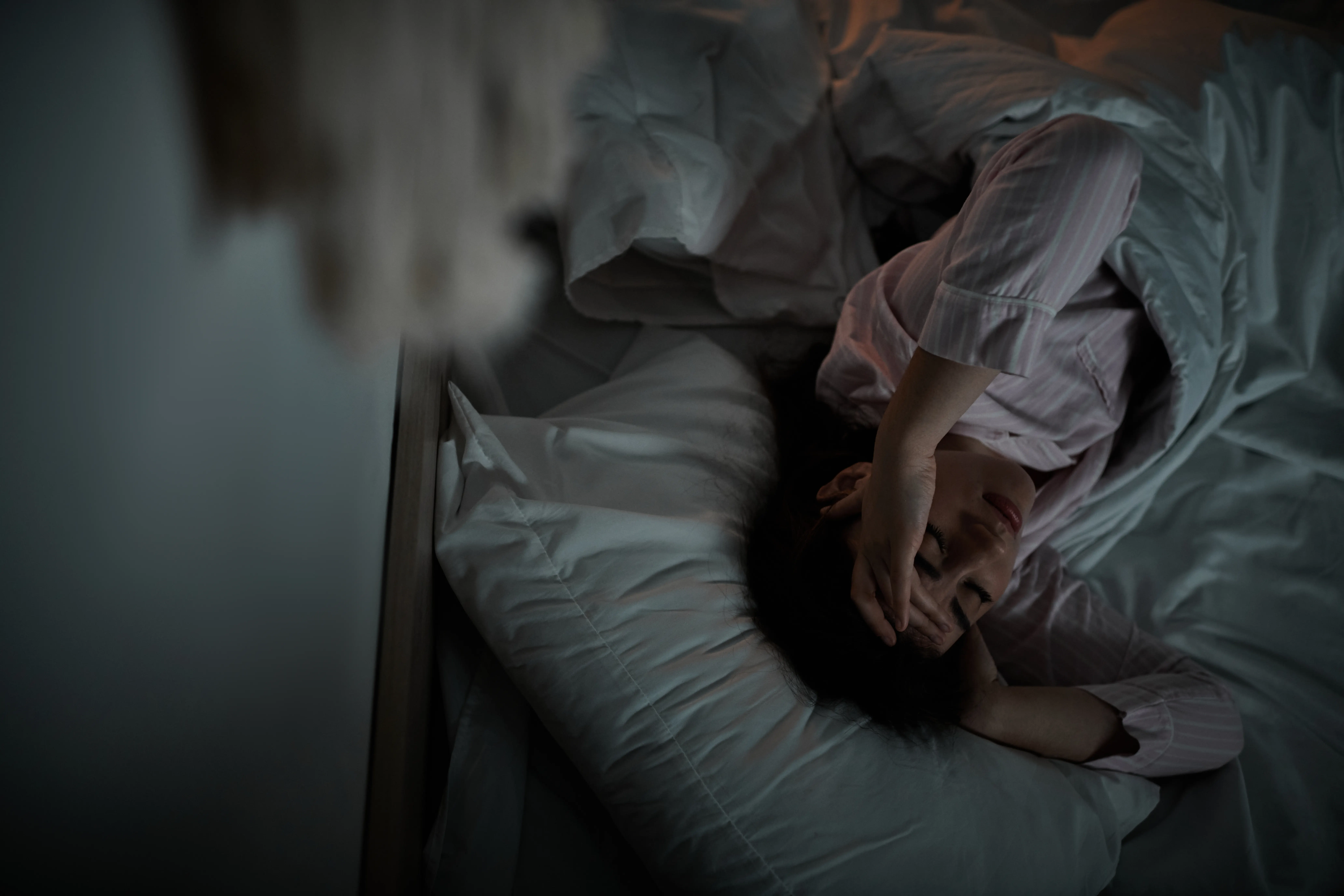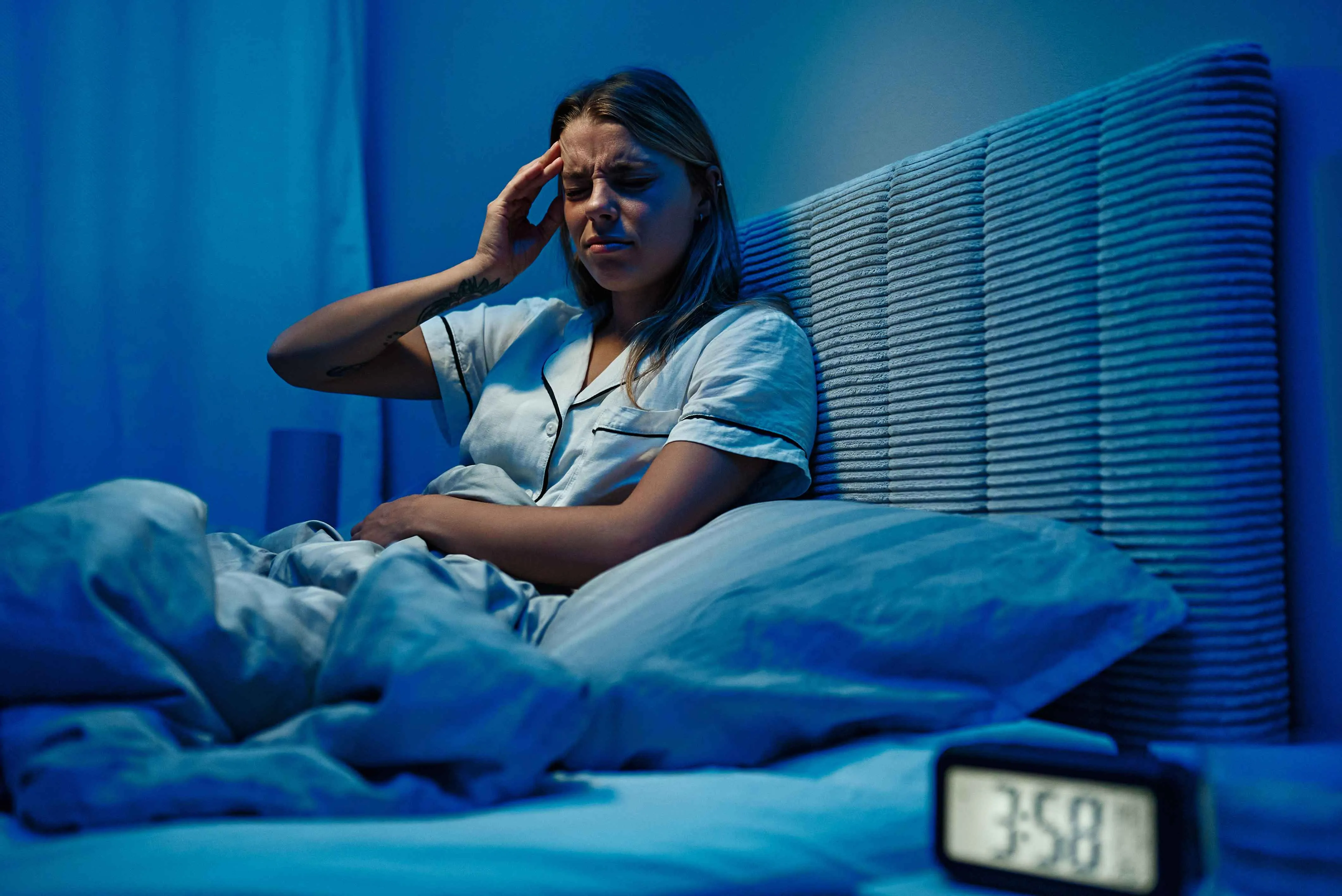

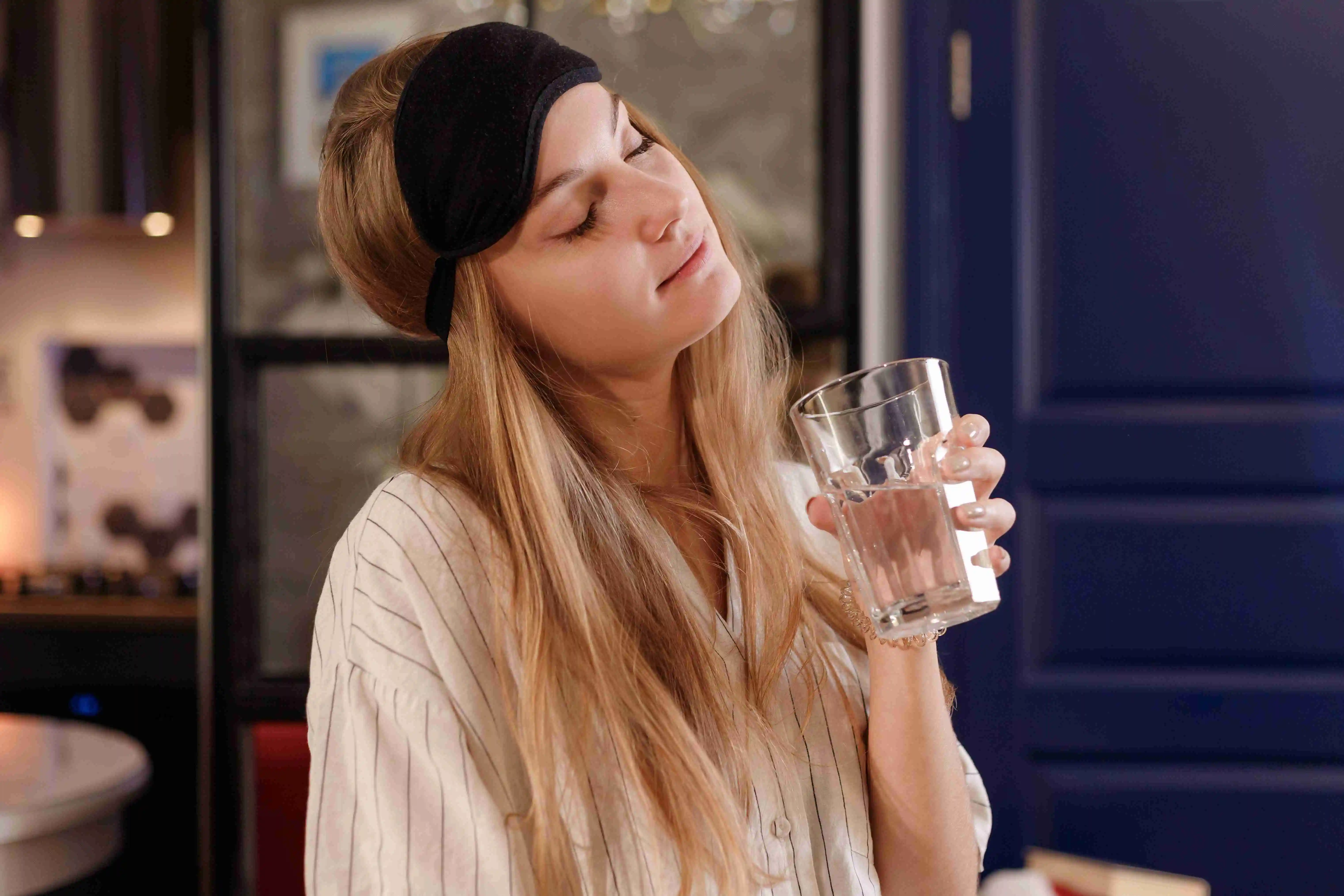
Drinking enough during the day can prevent thirst, dry mouth, headache, and dizziness from making bedtime uncomfortable. Drinking a large amount close to bed can have the opposite effect by increasing the chance that you need to urinate during the night.
Research does not support treating poor sleep by forcing extra water. The useful goal is to meet your individual needs, mainly while you are awake, then adjust evening timing if bathroom trips are disrupting your sleep.
What the research actually shows
A study using three large adult datasets in the United States and China found that people who reported about six hours of sleep were more likely than eight-hour sleepers to meet a urine-based definition of inadequate hydration. This was a cross-sectional association. Sleep and hydration were measured at the same period, so the study could not show whether short sleep contributed to hydration differences, hydration affected sleep, or another factor influenced both. Results also differed across the hydration measures used 1.
Direct research on drinking water to improve sleep is sparse. In a small 2026 study, 55 healthy Japanese men ages 50 to 59 drank 280 milliliters, a little over one cup, immediately before bed for six nights and avoided drinks for the hour before bed during another six-night period. Bedtime water increased the likelihood of nocturia and changed some REM sleep measures, but did not improve non-REM sleep. The narrow population, brief study period, hotel sleep setting, and beverage-industry funding limit how widely the findings can be applied 2.
Taken together, the evidence does not establish dehydration as a general cause of insomnia or extra water as a sleep aid. It does support a practical tradeoff: avoid going to bed uncomfortably thirsty, but do not load up on fluid in hopes of producing deeper or more restorative sleep.
A daytime-first hydration plan
There is no research-supported hour when everyone should stop drinking. A fixed two- or three-hour cutoff may be unnecessary for someone who sleeps through the night, and it may be unsafe for a person who is genuinely dehydrated or has greater fluid losses.
A flexible routine works better:
- Follow any medical fluid plan first. If a clinician has prescribed a fluid limit, a minimum intake, or a specific schedule, do not replace it with general sleep advice.
- Drink regularly while you are awake. Include drinks with meals and respond to thirst instead of waiting until bedtime to catch up.
- Adjust for losses. Hot weather, physical activity, fever, vomiting, and diarrhea can increase fluid needs 3.
- Use your own nighttime pattern. If you repeatedly wake to urinate, move larger drinks earlier in the day and choose smaller amounts later. If you are thirsty at bedtime, it is reasonable to drink enough to feel comfortable.
- Keep a small drink nearby if needed. A few sips can relieve ordinary mouth or throat discomfort without turning the bedside glass into a hydration target.
Drink at a comfortable pace. The practical concerns are your fluid needs, how the amount feels, and whether its timing increases bathroom trips.
How much water do you need?
There is no universal eight-glass prescription. As a population reference, the US National Academies set adequate intake levels at about 2.7 liters of total water per day for adult women and 3.7 liters for adult men. These values describe average intake among healthy people who appeared adequately hydrated. They are not individual targets, and they include water from food and every beverage, not just glasses of plain water 4.
Body size, climate, activity, pregnancy, age, illness, medications, diet, and kidney function can all change the appropriate amount. A person eating plenty of fruit, vegetables, yogurt, or soup may drink less plain water than someone eating mostly dry foods while reaching a similar total.
For many healthy adults in ordinary conditions, thirst, usual meals, and familiar urine patterns provide a workable day-to-day guide. They are clues, not exact measurements.
Hydration clues are useful but imperfect
Common dehydration symptoms in adults include thirst, dry mouth, less urination, dark urine, tiredness, and dizziness. Headache can occur too, but none of these symptoms identifies dehydration on its own 3.
Urine that is darker than usual or noticeably reduced can suggest that you need fluid. Color also changes with foods, vitamins, medicines, bleeding, and health conditions. Very pale urine does not mean you should keep drinking until it is completely clear 5.
Thirst also needs context. Older adults may have a weaker thirst signal, while marked thirst with frequent or high-volume urination can point to diabetes, a medicine effect, or another medical problem rather than a simple need to drink more 36.
Nocturia is not a sign that you are dehydrated
Nocturia means waking from sleep to urinate. Dehydration usually reduces urine volume and makes urine more concentrated. It does not explain a pattern of repeatedly producing urine overnight 3.
A large evening fluid intake is one possible cause, but it is not the only one. Other possibilities include:
- bladder conditions or reduced bladder capacity
- prostate enlargement
- pregnancy
- diabetes or another cause of unusually high urine production
- diuretics and some other medicines
- fluid that collected in the legs during the day returning to circulation after lying down
- obstructive sleep apnea
- heart or kidney disease
- a sleep disorder that wakes you first, after which you decide to use the bathroom
Nocturia often has more than one contributor. A urological best-practice report recommends reviewing fluid timing and type, urinary symptoms, sleep, medical conditions, and medicines rather than assuming every nighttime bathroom trip has the same cause 7. MedlinePlus also lists evening fluids, pregnancy, prostate enlargement, diabetes, heart or kidney failure, sleep apnea, and diuretics among potential causes 6.
If the pattern is persistent or bothersome, keep a three-day record of when and roughly how much you drink, when you urinate, and whether the urge or another symptom woke you. Bring it to a clinician. Do not stop a diuretic or change its timing without asking the prescriber.
Seek medical care sooner if nocturia comes with pain, blood in the urine, fever, new leg swelling, shortness of breath, marked thirst, or much more urine than usual.
What counts toward hydration?
Plain water is convenient, inexpensive, and free of caffeine or alcohol, but it is not the only source of fluid.
- Food and ordinary drinks count. Milk, soups, fruit, vegetables, coffee, tea, and other beverages all contribute water. This does not make any one of them a sleep treatment 4.
- Caffeinated drinks still provide fluid. Usual amounts do not create a cumulative body-water deficit for most people. Caffeine can still delay or disrupt sleep, depending on the dose, timing, and the person's sensitivity. Move it earlier or reduce it if it affects your sleep rather than imposing a morning-only rule on everyone 48.
- Alcohol is not a hydration strategy or sleep aid. It can increase urination and produce fragmented sleep with earlier waking, even if it initially makes you sleepy 9.
- Electrolyte drinks are usually unnecessary for an ordinary day or bedtime. Water plus regular meals is generally enough to maintain fluid and electrolyte balance. Prolonged sweating for several hours can change that calculation, and vomiting or diarrhea may call for an oral rehydration solution rather than a sugary sports drink chosen at random 1011.
Coconut water, herbal tea, broth, and milk can supply fluid. Do not assume that any of them has a special hydration-based effect on sleep.
Dry mouth, mouth breathing, and PAP
Waking with a dry mouth does not prove that your whole body is dehydrated. Mouth breathing, nasal congestion, medicines, reduced saliva, alcohol, and dry room air can all contribute.
Positive airway pressure (PAP) therapy can also cause dryness when air leaks from the mask or the mouth opens during sleep. A better mask fit, a suitable mask style, or heated humidification may help. Contact your sleep team or equipment provider rather than changing prescribed pressure settings or stopping therapy 12.
Drinking water may briefly relieve the sensation, but it does not treat obstructive sleep apnea. Persistent dry mouth deserves a review of PAP fit, nasal symptoms, medicines, oral health, and other possible causes.
When hydration advice needs to be individualized
General adult advice does not fit every situation:
- Children: Fluid needs change with age and size. Vomiting and diarrhea can dehydrate children quickly, and oral rehydration solution may be needed. Ask a pediatric clinician for age-specific instructions rather than using an adult target 11.
- Older adults: Thirst may be less noticeable, and mobility, memory, swallowing problems, medicines, and chronic disease can affect both access to drinks and safe intake 3.
- Pregnancy: Needs increase, and nausea, vomiting, heat, and activity can change them further. The American College of Obstetricians and Gynecologists advises 8 to 12 cups of water daily during pregnancy, but an obstetric clinician should individualize this when illness or a medical condition is present 13.
- Fever, vomiting, or diarrhea: Replace ongoing losses during the day. Repeated vomiting, worsening diarrhea, or difficulty keeping fluid down needs medical advice because plain water alone may not replace the fluid and electrolytes being lost 311.
- Prolonged exercise or heat exposure: Water is usually sufficient with regular meals, while sweating for several hours may justify a balanced electrolyte drink. More is not always safer, so avoid forcing fluid beyond heat-safety guidance 10.
- Kidney, heart, or liver disease and prescribed fluid restriction: These conditions can change how the body handles water and sodium. Some people with chronic kidney disease need to limit fluid because damaged kidneys cannot remove the excess 14. Follow the amount set by your care team instead of general hydration targets.
Too much water can be dangerous
Overhydration can dilute sodium in the blood, especially when large amounts are consumed quickly or the kidneys cannot clear water normally. Hyponatremia can also occur with kidney disease, heart failure, cirrhosis, certain medicines, vomiting, diarrhea, or other medical conditions. Symptoms can include nausea, headache, weakness, confusion, restlessness, and seizures 15.
Do not force water to reach a quota, to make urine completely clear, or to compensate for a poor night of sleep. During prolonged activity in heat, the CDC warns that excessive fluid intake can become a medical emergency because blood sodium can fall too low 10.
When to get urgent help
Seek emergency care for severe confusion, a seizure, fainting or collapse, inability to wake normally, signs of shock, or severe weakness with little or no urine. Rapid breathing and a rapid heartbeat can also accompany severe dehydration 3.
Get urgent medical advice if you cannot keep fluids down, especially with ongoing vomiting or diarrhea, or if symptoms are worsening despite attempts to drink. Severe headache, vomiting, confusion, or a seizure after consuming a very large amount of fluid also needs emergency assessment because dangerously low sodium is possible 15.
Frequently asked questions
Should I drink water right before bed?
Drink if you are thirsty, but avoid turning bedtime into the time you catch up on a day's missed fluids. If bathroom trips are disrupting sleep, move larger drinks earlier and use a smaller amount for comfort near bed.
Can dehydration cause insomnia?
Thirst, dry mouth, headache, or dizziness can make it harder to feel comfortable in bed. Current evidence does not show that dehydration is a general cause of insomnia or that extra water treats an insomnia disorder.
Does dark morning urine mean I was dehydrated overnight?
More concentrated urine can be darker after several hours without drinking, but color alone is not a diagnosis. Compare it with your usual pattern and consider foods, vitamins, medicines, and other symptoms.
Can drinking more water stop nocturia?
Not usually. Drinking more near bedtime may increase nocturia. Persistent nighttime urination should be assessed according to its cause, which may involve fluid timing, the bladder or prostate, diabetes, medicines, swelling, sleep apnea, heart or kidney disease, pregnancy, or another sleep problem.
Do I need an electrolyte drink before bed?
Most healthy people do not. Water and regular meals are generally enough. Electrolyte replacement becomes more relevant after prolonged heavy sweating or significant vomiting or diarrhea, and the appropriate product may depend on age and medical history.
A balanced approach is usually the most sleep-friendly one: meet your needs throughout the day, respond to genuine thirst, and investigate repeated nighttime symptoms instead of trying to solve them with more water alone.