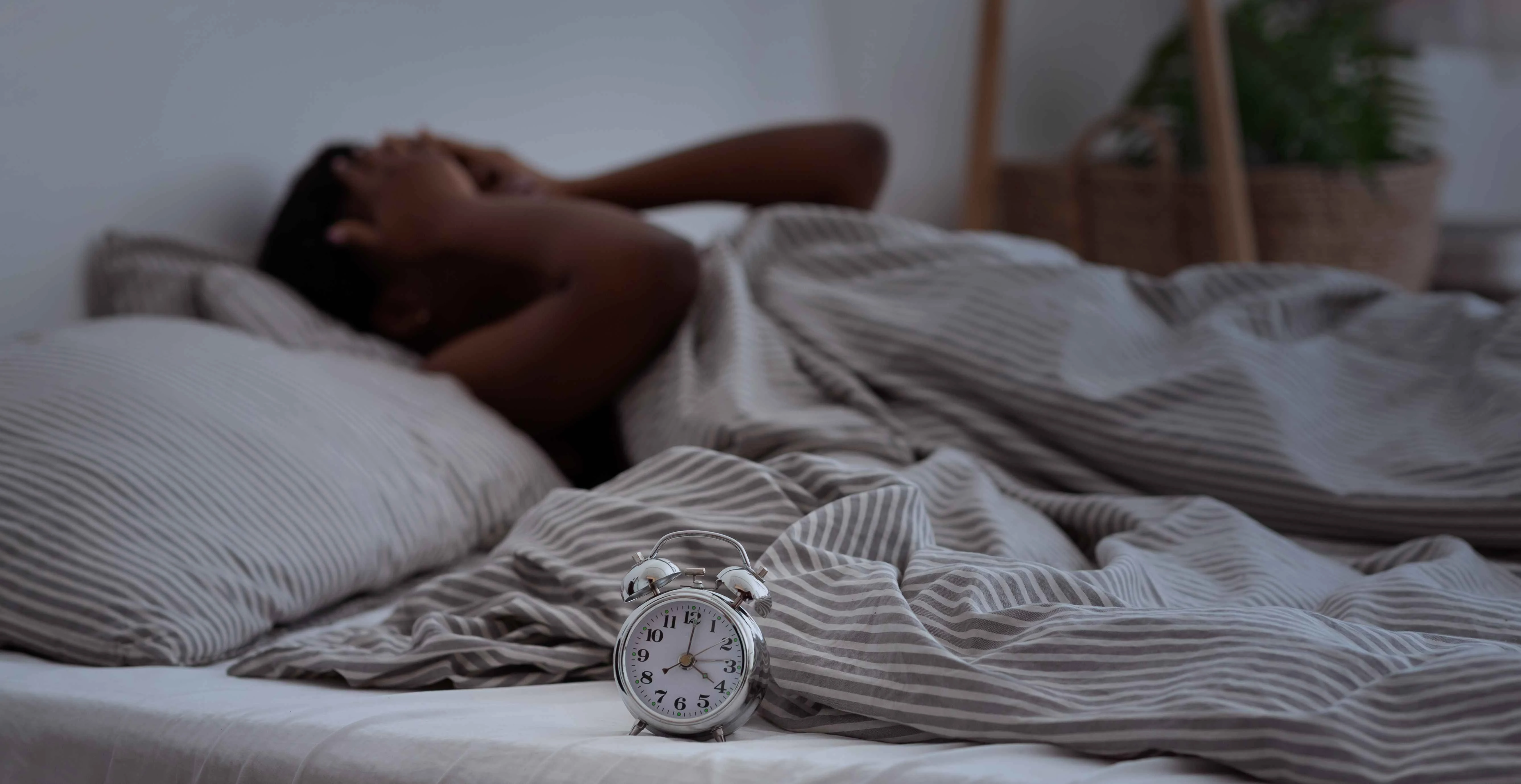

A natural long sleeper consistently needs more sleep than most peers to feel and function well. When given enough opportunity, the person wakes refreshed and is not persistently sleepy during the day.
Sleeping late after a short week, spending a long time in bed, or having difficulty waking does not by itself establish this trait. Natural long sleep is also not synonymous with hypersomnia or idiopathic hypersomnia, a clinical disorder centered on excessive sleepiness.
What does "long sleeper" mean?
The term describes a pattern, not one universally accepted number. Depending on the study or clinical context, researchers may call nine, ten, or eleven hours "long." Those thresholds are not interchangeable.
A useful way to think about sleep separates three things:
- Sleep opportunity is the time and setting available for sleep.
- Sleep ability is how much of that opportunity a person can actually sleep.
- Sleep need is the amount required to feel alert and function well.
A 2025 sleep theory uses this distinction to describe naturally long sleep as a stable match between a longer need, the ability to sleep that long, and enough opportunity to do so. Its examples are explicitly hypothetical, not diagnostic cutoffs 1.
This is why one long night does not make someone a natural long sleeper. A lifelong or long-standing pattern, consistency across low-obligation periods, and good function after unrestricted sleep are more informative than crossing a number once.
More than nine hours is not automatically too much
The American Academy of Sleep Medicine and Sleep Research Society recommend that adults sleep at least seven hours regularly. They did not set a universal upper limit. Their statement says that sleeping more than nine hours may be appropriate for young adults, people recovering from sleep debt, and people who are ill 2.
This does not mean every adult needs seven to nine hours or that the tenth hour is harmful. The expert panel could not determine with certainty whether nine or more hours was appropriate for every healthy adult, and it recognized that longer sleep benefits some people 3.
Age also changes the context. Pediatric recommendations cover total sleep across 24 hours, including naps: 12 to 16 hours for infants 4 to 12 months, 11 to 14 for ages 1 to 2, 10 to 13 for ages 3 to 5, 9 to 12 for ages 6 to 12, and 8 to 10 for teenagers 13 to 18 4. An amount that looks long for an adult may be expected for a child. Conversely, older adulthood should not be treated as proof that someone needs more sleep.
Count sleep, not just time in bed
Going to bed at 10 p.m. and getting out of bed at 9 a.m. creates an 11-hour sleep opportunity. It is not 11 hours of sleep if you took an hour to fall asleep, were awake for another hour overnight, or stayed in bed awake after morning waking.
The distinction matters because surveys, diaries, activity monitors, and sleep studies do not measure exactly the same thing. A person may report "sleeping 11 hours" when they mean being in bed for 11 hours. Another may sleep nine hours at night and two more during naps, which is 11 hours of total sleep across 24 hours.
Consumer watches and rings estimate sleep from movement and other signals. They can be useful prompts for a conversation, but the American Academy of Sleep Medicine says consumer sleep technologies should not be used to diagnose or treat a sleep disorder 5. A consumer tracker is not equivalent to clinical actigraphy, and neither device directly measures personal sleep need.
A practical two-week check
If work, school, caregiving, and safety allow it, use a two-week period with unrestricted sleep to understand your baseline. This is a practical observation, not a self-diagnostic test.
For each day, record:
- when you got into bed and when you tried to sleep
- your best estimate of when sleep began
- remembered awakenings and time awake
- final wake time and when you got out of bed
- naps and their duration
- alarm use, work shifts, travel, illness, alcohol, cannabis, caffeine, and medicine changes
- morning refreshment, difficulty becoming fully alert, daytime sleepiness, and unintended dozing
Do not force extra time in bed. Give yourself enough opportunity, avoid alarms when it is safe, and let sleep end naturally. The first several days may include recovery from prior sleep restriction, so look for the pattern after that catch-up period as well as the full two weeks 2.
A stable natural pattern is more plausible when sleep duration settles at a similar level, has been present for years, and produces good daytime function. A changing pattern, long time in bed with much wakefulness, unrefreshing sleep, or persistent sleepiness points toward a different question.
In clinical care, a sleep log paired with actigraphy can help document habitual timing and duration and reveal insufficient sleep or a circadian problem. The AASM conditionally recommends actigraphy for evaluating people with suspected central disorders of hypersomnolence, but the guideline refers to clinical-grade devices and professional interpretation 6.
Why sleep may become longer
Longer sleep can be a stable trait, a temporary response, or a symptom. Before assuming a natural high sleep need, consider what changed.
Catch-up sleep and insufficient opportunity
Weekend or vacation sleep may reflect recovery from repeatedly cutting sleep short on work or school days. Rotating shifts, caregiving, long commutes, and late-night obligations can create the same pattern. If sleep length falls after several unrestricted nights and daytime alertness improves, the original issue was more likely insufficient opportunity than a fixed need for very long sleep.
Delayed timing and irregular schedules
A person with delayed sleep timing may sleep normally when allowed a late schedule but seem to "oversleep" when judged by clock time. Forced early waking can build sleep debt, followed by long sleep on free days. Circadian rhythm disorders can cause both difficulty waking at required times and excessive daytime sleepiness when sleep occurs out of sync with the person's internal timing 7.
Medicines, alcohol, cannabis, and other substances
Sedating antihistamines, some psychiatric medicines, some pain medicines, anti-seizure medicines, alcohol, and other substances can increase sleepiness or time in bed. Starting, stopping, or changing a medicine or substance may also change sleep 8. Review the exact product, dose, timing, and recent changes with a clinician or pharmacist. Do not stop a prescribed medicine abruptly.
Mood changes
Depression can involve sleeping too much, low energy, and loss of interest. Bipolar disorder can include depressive periods with excess sleep and manic periods with a decreased need for sleep, elevated or irritable mood, racing thoughts, fast speech, increased activity, or risky behavior 9.
Sleep duration alone cannot diagnose a mood disorder. A clear change in sleep that arrives with a major shift in mood, energy, judgment, or behavior needs prompt clinical assessment.
Pregnancy, infection, and other medical causes
Pregnancy and recovery from illness can temporarily increase rest or sleep need. Anemia, thyroid disease, infection, inflammatory disease, and heart, lung, kidney, liver, or neurological conditions can cause fatigue, drowsiness, or both. Fatigue means low energy or weariness; drowsiness means a need to sleep. The distinction helps guide evaluation 8.
A new long-sleep pattern with fever, weight change, pallor, shortness of breath, pain, weakness, medication changes, or another physical symptom should not be dismissed as a natural trait.
Sleep disorders
Obstructive sleep apnea can leave someone sleepy despite a long night. Clues include loud habitual snoring, witnessed breathing pauses, gasping, morning headaches, dry mouth, frequent nighttime urination, and daytime sleepiness 10.
Narcolepsy causes excessive daytime sleepiness and may include sudden sleep episodes, cataplexy, sleep paralysis, or vivid experiences around sleep onset or waking. Diagnosis uses clinical history and targeted sleep testing, not long sleep duration alone 11.
Idiopathic hypersomnia can involve long sleep, but long sleep by itself is not idiopathic hypersomnia.
Natural long sleep versus idiopathic hypersomnia
Idiopathic hypersomnia is a central disorder of hypersomnolence. Its defining problem is a daily irrepressible need to sleep or daytime lapses into sleep for at least three months, after insufficient sleep and other sleep, medical, mental-health, medication, and substance causes have been addressed. Severe difficulty waking, confusion or repeated returns to sleep after waking, long unrefreshing naps, and brain fog are common supportive features 12.
Current diagnostic criteria allow objective support through either:
- a mean sleep latency of eight minutes or less on a properly conducted Multiple Sleep Latency Test, or MSLT
- at least 11 hours of total sleep across 24 hours on extended polysomnography, or averaged across at least seven days of wrist actigraphy paired with a sleep log under unrestricted-sleep conditions
The 11-hour value belongs to one route within a full diagnostic evaluation. It is not a self-test for being a natural long sleeper, and a person does not have idiopathic hypersomnia merely because a watch reports 11 hours. The criteria require symptoms, exclusions, and properly collected objective evidence 12.
The MSLT measures how quickly someone falls asleep across several daytime nap opportunities. It is used when narcolepsy or idiopathic hypersomnia is suspected, not as routine testing for anyone who likes a long night. Adequate sleep, stable timing, medication and substance review, and an overnight sleep study are important to interpreting it correctly 13.
A natural long sleeper, by contrast, is refreshed and functions well when allowed enough sleep. Persistent sleepiness after a long sleep, severe sleep inertia, unrefreshing long naps, or unintended sleep episodes are reasons to investigate, not traits a natural long sleeper is expected to accept.
Is natural long sleep genetic?
Sleep duration has a genetic component, but current evidence does not support a simple "long-sleeper gene" test.
A genome-wide study of 446,118 adults of European ancestry identified many common genetic variants associated with self-reported sleep duration. Individual variants had small average effects, and the identified variants together explained only a small share of variation. The study also could not determine whether a long-sleep association represented healthy high sleep need, fragmented sleep, napping, or another correlated pattern 14.
Family patterns can be useful history, but they do not prove a cause. Consumer genetic results cannot confirm that long sleep is healthy, rule out sleep apnea or hypersomnia, or tell someone how many hours to sleep.
Does long sleep cause health problems?
Population studies often find U-shaped associations: people reporting short or long sleep have higher rates of outcomes such as obesity, diabetes, cardiovascular disease, stroke, depression, or death than people near the middle. These studies do not show that long sleep caused those outcomes.
Several problems complicate the result. Many studies rely on one self-reported number, definitions of "long" vary, and reported sleep may include time awake in bed. Illness, depression, inactivity, medication use, unemployment, sleep apnea, and other factors can lead to both longer reported sleep and poorer health. Disease may lengthen sleep before it is diagnosed, which is reverse causation.
In reviewing the evidence, the AASM and SRS panel found mixed evidence for most long-sleep outcomes and no convincing experiment showing that extending sleep harms human physiology. The panel considered uncontrolled chronic illness a likely explanation for much of the mortality association and did not set an upper limit 3.
Deliberately cutting a natural long sleeper's sleep has not been shown to erase these associations. Sleep restriction may instead create sleep deprivation. The sensible response to new, unrefreshing, or impairing long sleep is to look for a cause, not to force the night down to an arbitrary number.
A function-first plan
If your pattern is stable, you wake refreshed, and you function well:
- Protect adequate opportunity. Work backward from the wake time you need and reserve the amount of sleep your diary suggests, plus a reasonable amount of time to fall asleep.
- Fit timing as well as duration. A later schedule may work better than repeated early alarms for someone with delayed timing. Avoid rotating schedules when you have a realistic choice.
- Discuss practical accommodations. A consistent later start, fewer early shifts, remote morning work, or a course schedule that avoids early classes may be more sustainable than chronic sleep restriction. What is available depends on the setting and individual circumstances.
- Judge success by function. Morning refreshment, stable mood, alert driving, concentration, and unintended dozing matter more than matching a peer's sleep duration.
Do not try to train yourself into being a short sleeper by repeatedly restricting sleep. Caffeine, stimulants, sedatives, supplements, and generic sleep-hygiene lists do not establish or change biological sleep need.
When testing or medical care makes sense
No single test diagnoses a natural long-sleeper trait. Testing should answer a specific clinical question:
- A sleep diary separates schedule, sleep opportunity, estimated sleep, naps, and function.
- Clinical actigraphy can add an objective estimate of sleep-wake timing and duration over days or weeks.
- Overnight polysomnography is useful when symptoms suggest sleep apnea, periodic limb movements, unusual sleep behaviors, or another disorder measured during sleep.
- An MSLT follows a properly prepared overnight study when narcolepsy or idiopathic hypersomnia is suspected.
- Laboratory tests are selected from the history and examination, such as blood counts for anemia or thyroid testing when symptoms point there. They are not a routine "long sleeper panel."
Arrange care if long sleep is new, increasing, unrefreshing, difficult to fit into daily life, or accompanied by persistent daytime sleepiness, severe sleep inertia, snoring or breathing pauses, weakness, pain, mood symptoms, or unintended sleep.
Do not drive when you are struggling to stay awake. Drowsiness impairs performance, and caffeine alone may not make serious sleep loss or a sleep disorder safe 15.
A sudden major change in sleep with confusion, a seizure, new weakness, trouble speaking, severe headache, breathing difficulty, chest pain, high fever with marked illness, or another rapidly worsening neurological or systemic symptom needs urgent medical assessment.
If someone cannot be awakened, is breathing slowly or irregularly, has blue or gray lips, or may have taken too much of a drug or medicine, call emergency services immediately. Give naloxone if opioid overdose is possible and naloxone is available, then stay with the person until help arrives 16.
A sharp decrease in sleep need together with extreme energy, agitation, racing thoughts, risky behavior, or psychosis may be mania rather than a healthy change in sleep need. Seek urgent help when safety, judgment, or the ability to care for oneself is at risk 9.