

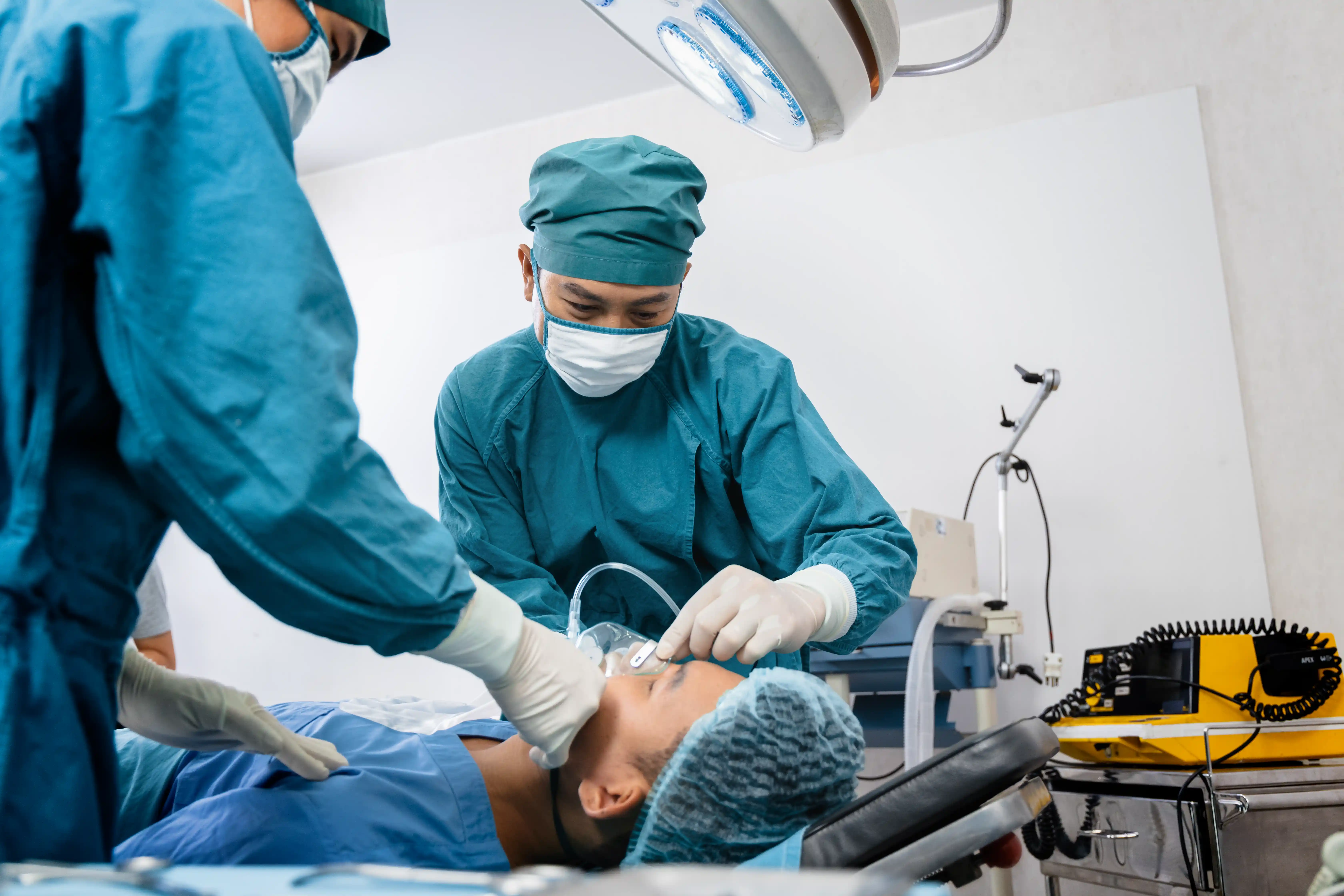
Uvulopalatopharyngoplasty, or UPPP, removes, reshapes or repositions selected tissues of the soft palate and nearby throat to enlarge or stabilize part of the upper airway. It can treat obstruction at that level, but it cannot reach every site that may collapse in obstructive sleep apnea. It does not reliably cure every case of OSA or snoring. A sound plan starts with objective diagnosis, careful anatomical selection, informed consent, perioperative planning and a follow-up sleep study 12.
This guide focuses on UPPP in adults. For a comparison of palate surgery with jaw surgery, hypoglossal nerve stimulation and other procedures, see our broader guide to surgery for sleep apnea.
What UPPP changes
Classic excisional UPPP may remove the tonsils when present, all or part of the uvula, part of the soft palate and selected tissue along the sides of the throat. The extent is not identical for every patient 3.
The aim is to create more space behind the palate or make that segment less prone to collapse. By itself, the operation does not correct obstruction in the nose, tongue base, epiglottis or jaws, and it does not treat central sleep apnea. When a person has collapse at more than one level, a surgeon may propose UPPP alongside another procedure. Outcomes from that combined operation should not be described as the effect of UPPP alone.
UPPP is not one standardized operation
The name may be used for procedures that differ substantially. A classic approach relies more on tissue excision. Modified or reconstructive approaches may preserve more tissue while using flaps, sutures or muscle relocation to widen and support the side walls of the throat. Named techniques include expansion sphincter, lateral and relocation pharyngoplasty, but terminology and exact maneuvers vary between surgeons 2.
A 2025 meta-analysis found meaningful differences between groups of palatopharyngeal techniques. It excluded operations with tonsillectomy or other combined procedures, and much of the evidence was not a direct head-to-head comparison. Its results cannot identify one universally best operation or predict an individual's result 4.
Before consenting, ask the surgeon to write down:
- The exact procedure name and each structure that will be removed, repositioned or sutured.
- Whether tonsillectomy or surgery at the tongue, nose, epiglottis or jaw is included.
- Which finding in your examination suggests the palate or side walls are an important obstruction site.
- Which benefits and complications apply to this exact plan, rather than to UPPP as a broad label.
Who may be considered for UPPP
UPPP is a treatment decision for selected anatomy, not a procedure chosen from snoring volume or an AHI number alone. A reasonable evaluation usually addresses the following questions.
Has OSA been objectively diagnosed?
Symptoms, a partner's observations and a screening score can raise concern, but they do not establish OSA or its severity. The AASM surgical-referral guideline starts from OSA confirmed by objective testing within a comprehensive sleep evaluation 1.
If surgery is being considered for snoring without known OSA, the evaluation should first determine whether OSA is present. Removing noise without identifying breathing events could leave clinically important disease untreated.
What happened with PAP and other nonsurgical options?
Positive airway pressure, or PAP, is usually the most effective way to keep the airway open while it is used. Before moving to surgery, review whether mask fit, pressure discomfort, nasal symptoms, dryness, claustrophobia, access or another barrier can be improved. AASM guidance recommends discussing sleep-surgeon referral as one option for many adults who cannot accept or use PAP adequately, but a referral does not obligate anyone to have surgery 1.
Alternatives may include a custom, adjustable oral appliance, position-based treatment when testing shows position dependence, weight care when relevant, or another anatomy-specific treatment. The AASM and American Academy of Dental Sleep Medicine recommend a custom, titratable appliance with dental oversight when oral appliance therapy is chosen for OSA, plus sleep testing to confirm its effect 5.
Does the planned operation match the obstruction?
Examination can assess tonsil size, the palate, tongue position, nasal airflow and jaw structure. Flexible endoscopy may add information. No single awake finding guarantees what will happen throughout natural sleep.
Palate surgery is more plausible when the palate, tonsils or lateral throat are important parts of the obstruction. Prominent tongue-base, epiglottic, skeletal or multilevel collapse may require a different or combined plan. Ask the surgeon what will remain untreated if only UPPP is performed.
How do body size and health conditions affect the plan?
Body mass index, OSA severity, oxygen findings, heart or lung disease, bleeding risk, prior airway surgery, medicine use and the ability to maintain hydration during recovery can all affect counseling and perioperative planning.
The AASM guideline's BMI below 40 threshold describes one population in whom clinicians should discuss sleep-surgeon referral after PAP intolerance. It is not a universal UPPP eligibility cutoff or a promise of success. The same guideline gives separate advice about bariatric-surgery discussions for some people and emphasizes individualized judgment 1.
What results can UPPP produce?
Selected patients can have improvements, but the amount and durability vary. The AAO-HNS position statement notes that UPPP usually lowers AHI but usually does not normalize it 2. A long-term review of 11 studies found that average AHI improvement persisted beyond the early postoperative period, but the effect was smaller at long-term follow-up. The studies used different operations and selected populations, so the pooled result is not a personal forecast 6.
One randomized trial found improvements in sleepiness and quality of life after a modified UPPP that included tonsillectomy. The 65 participants were a narrow group with moderate or severe OSA, daytime sleepiness, favorable anatomical stages, BMI below 36 and unsuccessful nonsurgical treatment. That result should not be transferred to classic UPPP, unselected patients or different anatomy 7.
These outcomes answer different questions:
| Outcome | What it can show | What it cannot establish by itself |
|---|---|---|
| AHI or respiratory event index | Change in the frequency of scored breathing events | Normal oxygen, symptom relief, cure or individual health-risk reduction |
| Oxygen measures | Change in the depth or duration of oxygen drops | Whether every airway event resolved |
| Snoring | Change in airway sound noticed by the sleeper or partner | Control of OSA |
| Sleepiness | Change in a symptom that may matter to daily function | That OSA is controlled or that no other cause of sleepiness remains |
| Quality of life | Whether the person feels and functions better overall | A normal sleep study or a permanent result |
Research papers also use different definitions of "success." One common responder definition requires at least a 50% AHI reduction and a postoperative AHI below 20. A person meeting that research definition can still have residual OSA, so ask for the actual postoperative values rather than a success label 4.
Risks and tradeoffs
The risk profile depends on the exact operation, how much tissue is changed, whether tonsillectomy or other procedures are added, and the person's health. Informed consent should cover both early complications and lasting functional changes.
Early risks
- Bleeding during recovery, including bleeding that begins after discharge.
- Airway swelling or breathing difficulty.
- Significant throat pain, nausea, difficulty swallowing and dehydration.
- Infection.
- Anesthesia-related breathing, cardiovascular or medication complications.
Functional and longer-term risks
- Temporary or persistent swallowing difficulty.
- Velopharyngeal insufficiency, in which liquid can pass into the nose during swallowing.
- A nasal quality or another change in voice.
- Taste change, throat dryness, excess mucus or a persistent lump sensation.
- Scar-related narrowing, also called nasopharyngeal or velopharyngeal stenosis.
- Residual OSA, later recurrence or a need for PAP or another treatment.
Professional consensus and patient-care references list these risks, but published rates vary because operations and reporting methods differ 839. A percentage from one technique, hospital or selected cohort should not be presented as your personal risk.
OSA changes anesthesia and pain-control planning
OSA can increase concern about airway management and respiratory effects of medicines used around surgery. The Society of Anesthesia and Sleep Medicine advises that adults with OSA may be at increased risk of opioid-related respiratory events, while acknowledging that the evidence quality is limited 10.
Make sure the surgeon and anesthesia team have your sleep-study result, current PAP settings and use pattern, complete medicine and supplement list, alcohol or sedative use, allergies, prior anesthesia problems, and heart or lung conditions. Ask how pain will be managed, what monitoring is planned and whether observation after surgery is appropriate. Do not add alcohol, sedatives or over-the-counter pain medicines to the postoperative plan without checking with the surgical team.
Recovery without a one-size-fits-all schedule
UPPP can cause substantial pain and make swallowing difficult. Symptoms may fluctuate rather than improve steadily. Recovery depends on the operation's extent, whether other procedures were added and the person's ability to drink, eat, sleep and control pain.
Follow the surgeon's written instructions rather than a generic online timetable. Before discharge, make sure you know:
- How to maintain fluids and advance food for your specific operation.
- Which prescribed and nonprescription medicines are allowed, and which should be avoided.
- When driving, work, exercise and lifting are safe for you.
- Whether someone should stay with you and what overnight monitoring is needed.
- Whom to contact during and outside clinic hours.
- When and how to use PAP during healing.
Do not independently stop PAP because snoring is quieter or you feel better. Around the operation, follow the coordinated plan from the surgeon, sleep clinician and anesthesia team for when and how to use it.
When postoperative symptoms need urgent help
Call emergency services for trouble breathing, chest pain, heavy throat bleeding or bleeding that will not stop. Contact the surgical team urgently for any mouth or nose bleeding, inability to keep down enough fluid, dark or markedly reduced urine, severe pain not controlled by the prescribed plan, or fever and infection signs according to the discharge instructions 11.
Bleeding and airway symptoms should not be managed from an article. Use the emergency and surgical contact instructions provided by the treating hospital.
Follow-up must include more than symptoms
Healing review and OSA control are separate jobs. The surgical visit checks the wound, swallowing and complications. A follow-up sleep study checks whether breathing events and oxygen measures improved.
The AASM recommends follow-up polysomnography or a home sleep apnea test to assess the response to non-PAP treatments. The choice and timing depend on the clinician, the operation, healing and the original diagnostic context 12.
Quieter snoring, less choking or better daytime energy can be meaningful benefits, but none proves that OSA has resolved. Until objective results have been reviewed, continue the agreed treatment plan. If OSA remains, options may include PAP troubleshooting, an oral appliance, position-based treatment, weight care when relevant, or further anatomy-specific evaluation.
Questions to ask before deciding
- What diagnosis and baseline sleep-study results are we treating?
- Which obstruction site is UPPP expected to change, and which sites will it not change?
- Is this classic excisional UPPP, a modified reconstructive technique or part of multilevel surgery?
- Are the tonsils, uvula and palate being removed, reduced, repositioned or preserved?
- What outcome is realistic for my anatomy: AHI, oxygen, snoring, sleepiness or quality of life?
- What are the surgeon's results and complication experience with this exact operation in similar patients?
- What are the alternatives, including another PAP setup or a custom oral appliance?
- What is the plan for anesthesia, pain control, hydration, airway observation and urgent contact?
- How should PAP be handled before and after surgery?
- Which follow-up sleep test will be used, and what will happen if OSA remains?
UPPP can be a reasonable part of care when confirmed OSA, reachable anatomy, treatment preferences and acceptable risk align. The decision is strongest when the exact operation and its limits are clear before surgery, and its effect is measured afterward.