
Best for
- Average- and higher-weight back sleepers who prefer firm support.
- Stomach sleepers seeking limited pelvic sink.
- Combination sleepers who prefer an on-top feel and easy movement.
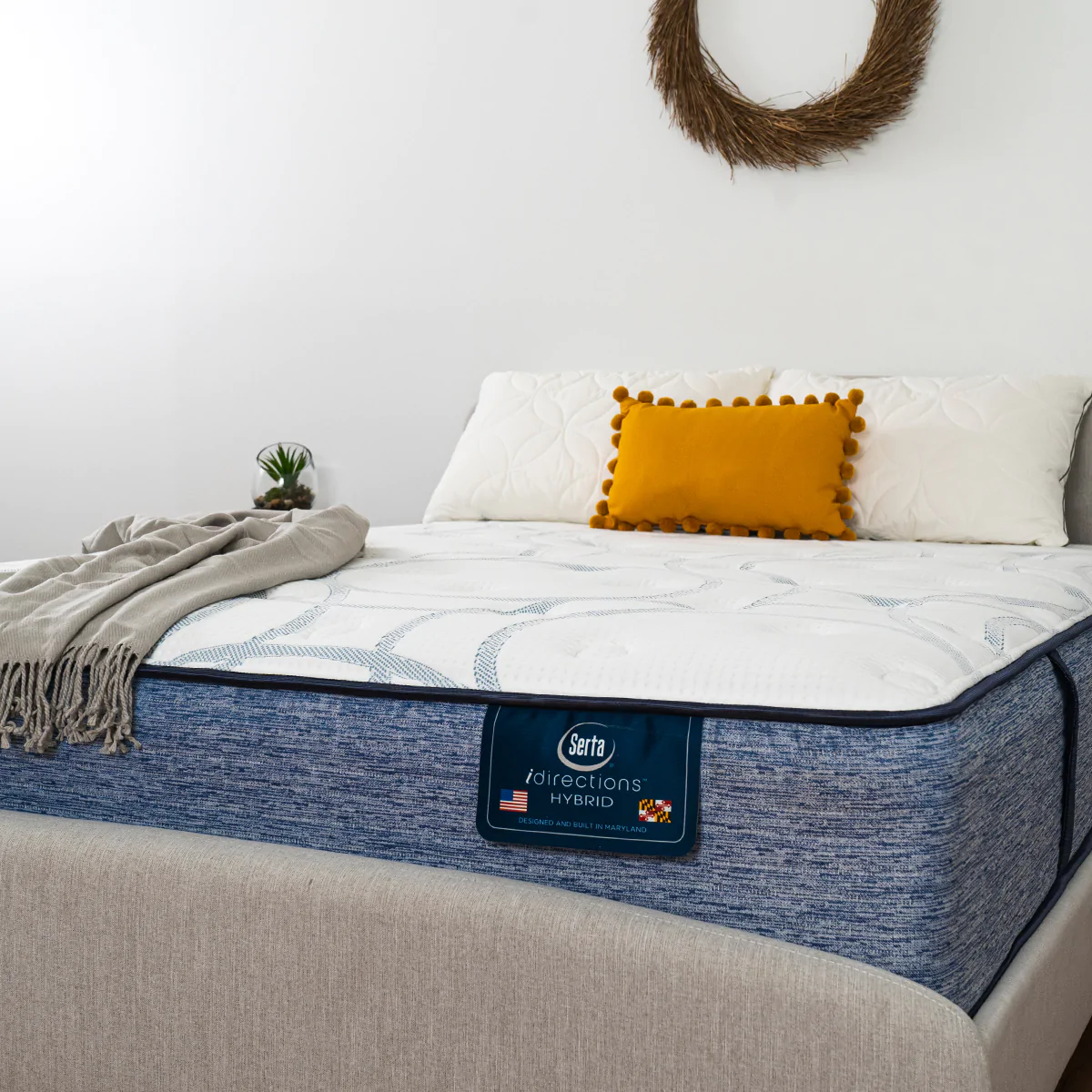
Pick one or more traits above and we will show the strengths and watch-outs that matter for this mattress.
Consider the X1 when its firm feel matches your position. It is strongest for average- and higher-weight back and stomach sleepers and least suitable for lightweight or pressure-sensitive side sleepers.
The 7–8/10 surface keeps the shoulder and hip closer to the top of the mattress, while the gel memory foam supplies a modest amount of contour. That firmness suits back sleeping more naturally than lightweight side sleeping, where immersion is limited.
The firm spring support core resists pelvic compression and keeps average- and higher-weight back and stomach sleepers more level. A worn comfort system or fatigued coils would reduce that lift, making visible impressions an important condition check.
Gel memory foam absorbs small surface vibrations before they reach the spring support core, while larger turns still activate the coil unit. The result is useful routine motion control without the stillness of a deep all-foam comfort system.
The coil unit leaves open space for airflow and gives heat a path out of the mattress, while the firm surface limits the amount of foam wrapped around the body. The gel infusion moderates initial warmth but is not the primary reason this hybrid avoids heavy heat buildup.
The tight top and firm spring core resist distributed weight near the perimeter more effectively than a plush foam edge. Concentrated sitting compression exposes wear first, so an uneven or collapsing side materially changes the value of a used mattress.
The firm comfort system produces shallow sinkage, and the spring support core rebounds as pressure shifts. That combination keeps sleepers on top of the mattress and makes turning easier, provided the surface does not have a lasting body impression.
The spring support core supplies a durable structural base, while the gel memory foam and perimeter carry the greater softening risk. Visible sagging, edge collapse, or coil noise indicates that prior loading has already reduced useful life.
Confirm the written purchase protections attached to the specific listing before buying.
Model checkedJul 16, 2026Discontinued
Configuration testediDirections X1 Hybrid · 13 inches · Firm 7–8/10
The latest model check found that the brand no longer sells this model new.
Tight-top coverQuilted textile · Top
Creates a flat, firm contact surface. This quilted surface supplies the first stage of cushioning before the sleeper reaches the foam or spring layers below, while its fibers can also influence moisture and surface airflow.
Why it matters: Across the Serta iDirections X1 Hybrid Firm, pressure relief was assessed at 6.5/10 (Mixed). A thicker quilt can soften initial contact, but deeper pressure relief and alignment still depend on the complete comfort and support stack.
Gel memory-foam comfort layerGel-infused viscoelastic polyurethane foam · Comfort
Adds contour and dampens surface movement. Memory foam conforms under sustained load, spreading pressure over a larger contact area. Its thickness and position influence contour depth and how quickly the sleeper reaches firmer layers below.
Why it matters: For the Serta iDirections X1 Hybrid Firm as a whole, pressure relief was assessed at 6.5/10 (Mixed). This is one of the layers most responsible for shoulder and hip cushioning; sleepers who dislike a close contour should compare it with the mattress’s recorded sinkage and recovery.
Innerspring support coreSteel coils · Core
Supplies primary support, rebound, and airflow. This is the mattress’s main load-bearing spring unit. Pocketed coils, when used here, compress more locally than connected springs while leaving open space for airflow and rebound.
Why it matters: In the finished Serta iDirections X1 Hybrid Firm, firm 7–8/10 support suits average- and higher-weight back sleepers. This layer supplies most of the deep pushback for alignment, but the foams or fibers above it still determine initial pressure relief and contour.