
No food or drink is proven to switch on a good night's sleep for everyone. What you eat and drink can still matter. Caffeine can delay or shorten sleep, alcohol changes sleep architecture, reflux can worsen after lying down, large amounts of fluid may increase bathroom trips, and going to bed uncomfortably hungry can make settling difficult.
The evidence for individual "sleep foods" is much less certain. Most studies of tart cherry, kiwi, milk, nuts, fish, carbohydrates, and herbal products are small, short, or limited to a particular population and preparation. A food may contain tryptophan, melatonin, magnesium, or omega-3 fats without having been shown to treat insomnia 1.
Research also links higher-quality dietary patterns with fewer insomnia symptoms, but most of that evidence is observational. Poor sleep can change appetite and food choices, so the association may run in both directions. It does not prove that adopting one named diet will cure a sleep problem 2.
Start with the problem, not a sleep-food list
Before adding a food at bedtime, ask what is actually interfering with sleep:
- Hungry or under-fueled? A familiar snack may be more useful than trying to ignore strong hunger.
- Uncomfortably full? Move more of the evening meal earlier, reduce the amount nearest bedtime, or split dinner and a later snack.
- Heartburn or regurgitation? Give yourself more upright time after eating and identify your own triggers rather than banning every spicy, acidic, or fatty food.
- Alert after caffeine? Count all sources and move the last dose earlier.
- Sleepy after alcohol but awake later? Treat the alcohol as the likely disruptor, not as a sleep aid.
- Waking to urinate? Review the amount and timing of evening fluid without restricting so much that you become dehydrated.
- Sleeping poorly regardless of food? Look beyond nutrition. Insomnia, sleep apnea, restless legs, pain, menopause symptoms, medicines, anxiety, depression, and an irregular schedule can all require a different response.
There is no universal last-meal or last-snack time. Bedtime, portion size, reflux, work schedule, exercise, pregnancy, medical conditions, medicines, and personal tolerance all change the answer.
What research says about popular sleep foods
The useful question is not whether a food contains a sleep-related nutrient. It is whether eating a realistic amount of that food improved a meaningful sleep outcome in well-designed human studies.
| Food or drink | What has been studied | What the evidence can support |
|---|---|---|
| Tart cherry | Small trials have used juice, concentrate, powder, or multi-ingredient products in healthy adults, athletes, and older adults with insomnia | Results are promising but inconsistent. A 2025 systematic review found substantial differences in preparations, doses, study lengths, populations, and outcomes. Evidence from a concentrate or combination product does not establish that whole cherries, another juice, or a larger serving will have the same effect 3. |
| Kiwifruit | One widely cited study asked 24 adults with self-reported sleep problems to eat two kiwifruit before bed for four weeks | Sleep measures improved from baseline, but the study had no separate control group and included only two men. It cannot distinguish the fruit's effect from expectation, routine, time, or natural change 4. |
| Milk and dairy | Trials have tested fresh milk, melatonin-enriched night milk, fermented products, yogurt, and products with added ingredients in varied populations | A 2025 review found a favorable pooled result in four trials, but the products and populations differed and the main pooled outcome was self-reported sleep quality. This is not proof that an ordinary glass of warm milk treats insomnia 5. |
| Nuts | Nuts and seeds can contribute magnesium and other nutrients; laboratory analyses find melatonin in some nuts | A nutrient measurement is not a sleep trial. A recent review found that human evidence for melatonin-containing foods remains limited and inconsistent and identified pistachios and other nuts as areas needing intervention studies 6. |
| Fatty fish | One randomized study compared Atlantic salmon three times a week with meat meals for six months in 95 men living in a secure forensic facility | The control group's sleep latency worsened over winter while the fish group's did not, but sleep efficiency declined in both groups. The narrow population, seasonal design, and single food comparison do not support fatty fish as a bedtime sedative or isolate omega-3 fats as the cause 7. |
| Carbohydrates | Small controlled studies have changed glycemic index, carbohydrate proportion, or meal timing | One study in 12 healthy young men found shorter sleep latency after an unusually high-carbohydrate, high-glycemic meal four hours before bed than after a low-glycemic meal, with no improvement in other sleep measures. A later systematic review found varied methods and uncertain health meaning, so this is not a reason to prescribe sugar or a high-glycemic dinner for insomnia 8 9. |
| Herbal tea | Chamomile is commonly used as tea, while studies may use tea, extract, capsules, or mixed herbs | A caffeine-free drink can be part of a calming routine, but chamomile has not been shown conclusively to treat insomnia. Tea, extracts, essential oils, and multi-herb supplements are not interchangeable 10. |
| Magnesium-containing foods | Leafy greens, legumes, nuts, seeds, and whole grains can supply magnesium as part of an ordinary diet | Observational studies report associations between magnesium status and sleep, but randomized supplement trials remain uncertain. A review of three small trials in older adults rated the evidence low to very low quality. That supplement evidence does not prove that one magnesium-rich food is a sleep treatment 11 12. |
Tart cherry
Tart cherry products receive more direct sleep research than many other foods, but "tart cherry" is not one intervention. Whole fruit, standard juice, juice concentrate, powder, capsules, and products mixed with tryptophan, glycine, magnesium, or L-theanine differ in dose and composition.
Several small studies reported improvement in at least one sleep measure, while others did not. The 2025 review concluded that the evidence remains limited and heterogeneous and called for larger, carefully designed trials in more diverse populations 3. It is reasonable to drink a tart cherry beverage because you enjoy it and tolerate it. It is not reasonable to present a particular amount as a proven insomnia treatment.
Concentrated juice also needs to fit the person's usual nutrition and medical plan. Someone managing diabetes, reflux, a fluid limit, or a prescribed carbohydrate plan should not add a nightly concentrate automatically.
Kiwifruit
The main kiwi study is useful as an early signal, not a final answer. Participants knew they were eating kiwi, everyone received the intervention, and outcomes were compared with their own baseline. A future randomized trial with a credible comparison food is needed to test whether kiwi itself caused the change 4.
Kiwi can be a practical snack for someone who already eats it without symptoms. It is not necessary, and it is inappropriate for anyone with a kiwi allergy or a medical eating plan that excludes it.
Milk and dairy
Milk contains protein, including tryptophan, but that does not mean a glass delivers a pharmacologic dose to the brain. Warmth and a familiar routine may also feel comforting without proving a biochemical sleep effect.
The dairy literature combines interventions that should not be treated as equivalents. Fermented milk, ordinary milk, night-harvested milk, yogurt, hydrolyzed protein products, and fortified products may differ substantially. The recent meta-analysis is encouraging but based on few pooled trials and mainly questionnaire outcomes 5.
Choose dairy based on preference, tolerance, allergy, and overall nutrition. Lactose-free dairy or a suitable fortified alternative may work better for someone with lactose intolerance. Milk allergy is different from lactose intolerance and requires avoidance of the allergen.
Nuts and seeds
Pistachios, walnuts, almonds, and seeds are often promoted because they contain magnesium, melatonin, fat, or protein. Those facts describe composition. They do not establish an effective bedtime dose or show that the food shortens sleep latency.
A small serving may be a convenient snack if it fits the person's needs. Avoid nuts with a known allergy, and do not recommend a high-potassium or high-phosphorus food automatically to someone whose kidney plan restricts it.
Fatty fish and omega-3 fats
Fatty fish can contribute protein, vitamin D, and the omega-3 fats EPA and DHA. The one often-cited salmon trial did not show a simple across-the-board improvement in sleep, could not isolate one nutrient, and enrolled a very specific group of men 7.
Include fish because it suits a balanced eating pattern and your health needs, not because salmon at dinner is proven to make a person sleepy. Fish-oil capsules are a different intervention and should not inherit claims from a food study.
Carbohydrates
Carbohydrate can change the ratio of tryptophan to other amino acids in blood, which offers a plausible route by which a meal might affect brain tryptophan availability. The mechanism is not a prescription.
The most quoted high-glycemic trial used meals providing more than 90% of energy from carbohydrate in 12 healthy men. It found a difference in time to fall asleep but not other sleep variables, and the authors said relevance to people with sleep disturbance still needed study 8. Across intervention studies, carbohydrate, fat, protein, and energy manipulation have produced mixed effects on sleep stages and subjective outcomes 9.
Do not use that experiment to justify sweets as a treatment or to tell someone with diabetes to change carbohydrate timing without clinical guidance.
Caffeine-free herbal tea
The warmth, taste, and repeated routine of a caffeine-free tea may help someone wind down. That is different from treating insomnia. For chamomile, clinical evidence is limited, and products vary from a normal beverage to concentrated extracts 10.
Chamomile can cause allergic reactions, especially in people allergic to ragweed or related plants. Reported or possible interactions include warfarin, sedatives, and medicines metabolized by the liver, and little is known about safety during pregnancy or breastfeeding 10. "Natural" does not mean interaction-free.
A tea and an essential oil are not interchangeable, and an essential oil should not be swallowed as a substitute for tea. Valerian, kava, cannabis products, and multi-herb sleep blends have different evidence and risks and do not belong under a generic herbal-tea claim.
Why nutrient content is not proof of a sleep benefit
Four nutrients appear repeatedly in sleep-food claims:
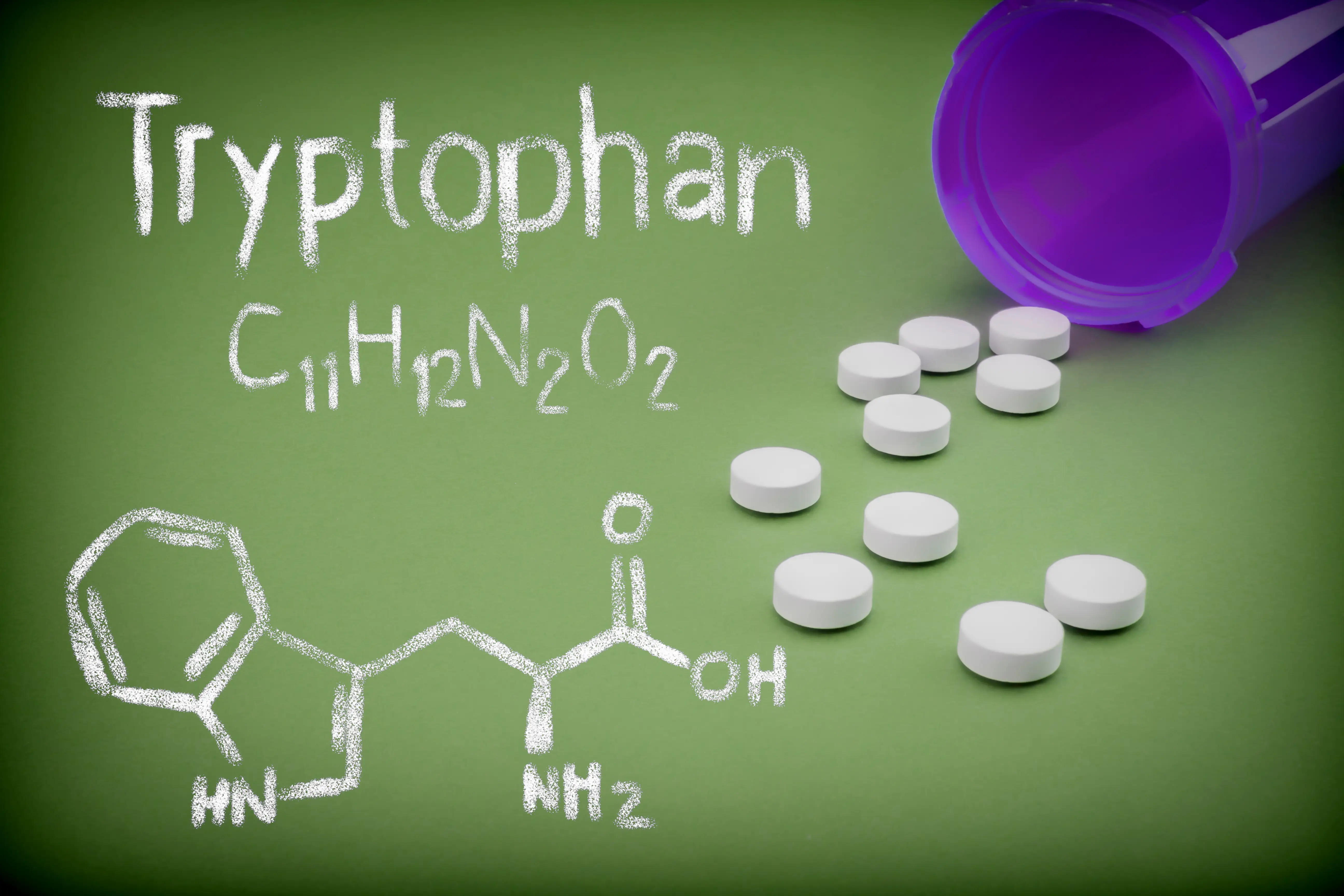
- Tryptophan is an essential amino acid and a precursor in the pathways that produce serotonin and melatonin. It competes with other amino acids for transport into the brain. The amount in a mixed meal does not translate directly into a predictable sedative effect 1.
- Melatonin is a hormone involved in circadian timing. Measurable melatonin in a food does not show that a normal serving reaches the same dose, timing, absorption, or effect as a studied drug or supplement. Food concentrations also vary by cultivar, harvest, processing, and assay 6.
- Magnesium supports many normal cellular, nerve, and muscle functions. Magnesium-rich foods can be part of a balanced diet, but the sleep evidence for supplements is uncertain and should not be transferred to a banana, almond, or seed serving 13 11.
- Omega-3 fats are present in fatty fish, but one food trial cannot show that EPA or DHA caused a sleep result. Whole fish, fish oil, algae oil, and pharmacologic omega-3 products are different exposures.
This is also why extracts, concentrates, powders, supplements, and essential oils need their own evidence. More concentrated does not automatically mean more effective or safer. Magnesium supplements can cause diarrhea and interact with some antibiotics and osteoporosis medicines, while excess supplemental magnesium can be dangerous when the body cannot clear it properly 13.
Caffeine: count every source
Caffeine is the food-related factor with the clearest direct evidence for disrupting subsequent sleep. A 2023 meta-analysis of 24 studies found that caffeine reduced total sleep time, reduced sleep efficiency, and increased the time to fall asleep and time awake after sleep onset on average 14.
The same analysis produced timing estimates based on particular doses, but they are not universal cutoffs. Dose, habitual use, pregnancy, medicines, smoking status, and individual sensitivity can change how long caffeine remains disruptive 14 15.
Count caffeine from:
- regular and decaffeinated coffee
- black, green, matcha, mate, and other caffeinated teas
- energy drinks, shots, soft drinks, and caffeinated water
- chocolate, coffee-flavored foods, gum, and some protein or energy bars
- pre-workout and weight-loss supplements, including guarana
- some over-the-counter pain, headache, cold, and alertness medicines
Product amounts vary widely, and decaffeinated drinks can still contain some caffeine. The FDA notes that 400 milligrams per day is not generally associated with negative effects for most adults, but that is a general safety reference, not a guarantee that 400 milligrams will leave sleep unchanged 15.
A practical approach is to list the amount and time of every source for several days. Move the last meaningful dose earlier, reduce it gradually if withdrawal headaches are likely, and watch whether sleep changes. Do not stop or change a prescribed medicine simply because its label lists caffeine. Ask the prescriber or pharmacist.
Children are more sensitive to caffeine, and medical experts advise against energy drinks for children and teens. During pregnancy, ACOG advises keeping total caffeine below 200 milligrams per day, including caffeine from tea, chocolate, soft drinks, and energy drinks 15 16.
Alcohol may sedate first and disrupt sleep later
Alcohol can make a person feel drowsy, but sedation is not the same as normal, stable sleep. NIAAA notes that a person may fall asleep faster after drinking yet have more fragmented sleep and wake earlier. Alcohol also increases urination and can irritate the stomach 17. A 2025 systematic review and meta-analysis found delayed REM onset and reduced REM sleep even at lower studied doses. High doses sometimes shortened sleep onset, but produced greater REM disruption 18.
Alcohol can interact dangerously with sedatives, opioids, antihistamines, and other medicines, so check the medicine label and ask a clinician or pharmacist when you are unsure 19. Do not use alcohol as a sleep treatment.
There is no known safe amount of alcohol during pregnancy 20. If someone has been drinking heavily for a prolonged period, suddenly stopping can cause dangerous withdrawal. Seek medical help to plan a safe change rather than trying to manage withdrawal with food or sleep advice 21.
Nicotine is not a bedtime appetite or sleep tool
Nicotine is a stimulant and an addictive drug. It can affect sleep depth, while nicotine withdrawal can also temporarily cause insomnia 22 23. Nicotine delivery and purpose differ across cigarettes, vaping, pouches, gum, lozenges, and patches, but none should be improvised as a sleep or appetite tool.
Do not delay quitting in order to protect sleep. Use an evidence-based cessation plan. If a nicotine patch or another quit medicine is disturbing sleep, ask a clinician or pharmacist how to adjust its timing or formulation rather than improvising 23.
Dinner timing, reflux, hunger, and fluids
If the evening meal causes discomfort
Start with the amount and your own symptoms. A very large portion can feel uncomfortable even if every ingredient is nutritious. Moving part of dinner earlier or serving less near bedtime may help without labeling the food as "bad."
People with nighttime reflux have a more specific reason to leave time between eating and lying down. The American College of Gastroenterology advises avoiding food for at least two hours before bed and, after a late meal, waiting two to three hours before lying down. It also recommends identifying individual triggers rather than assuming every person has the same ones 24.
That is GERD guidance, not a universal eating ban for everyone. Someone without reflux who tolerates a later meal does not need to force the same interval.
If hunger is keeping you awake
Do not use a rigid no-food rule. Choose a modest amount of food you already tolerate and that fits your usual plan. A snack can include carbohydrate, protein, fat, or a combination based on preference. Examples might include fruit with yogurt, toast with nut or seed butter, cereal with milk or a suitable alternative, or part of the dinner saved for later. These are food ideas, not treatments.
If bedtime hunger is frequent, review the day rather than endlessly adding "sleep snacks." Long gaps between meals, inadequate portions, schedule changes, intense activity, pregnancy, medicines, and an eating-disorder recovery plan can all change needs.
If bathroom trips are the problem
Shift more routine fluid earlier in the day and avoid a large drink immediately before lying down. Do not deliberately dehydrate yourself. NIDDK advises changing fluid amount or timing for bladder symptoms with professional guidance, especially because the right amount depends on health, activity, and climate 25.
Soup, ice, gelatin, fruit, and other water-rich foods may count toward a prescribed fluid limit 26. Alcohol and caffeine can also increase bladder symptoms for some people 25.
Situations that need an individualized plan
General sleep-food advice can conflict with medical nutrition, treatment, or safety needs.
Diabetes
If you use insulin or another medicine that can cause hypoglycemia, do not skip a planned evening snack, add concentrated juice, or change carbohydrate timing based on a sleep-food list. Low glucose can occur during sleep and can become dangerous. Follow the monitoring and treatment plan from your diabetes team, and contact them about repeated overnight lows or highs 27.
Kidney disease or a fluid restriction
Nuts, dairy, kiwi, dried fruit, whole grains, and juices may contribute potassium, phosphorus, magnesium, or fluid. The right limits depend on kidney function, laboratory results, dialysis, medicines, and the prescribed plan. NIDDK recommends an individualized plan with a kidney dietitian rather than one standard list 26.
Pregnancy and breastfeeding
Count caffeine from all sources and follow pregnancy guidance. Avoid alcohol during pregnancy. Ask the prenatal clinician before using chamomile extracts, valerian, concentrated botanicals, melatonin, magnesium, or other sleep supplements because pregnancy evidence and interactions differ from ordinary food use 16 20 10.
Allergies and intolerances
A "sleep food" is never worth an allergic reaction. Milk, fish, and tree nuts are common food allergens, and kiwi can also cause reactions. Use established substitutes rather than testing a food at bedtime. Trouble breathing, throat or tongue swelling, faintness, or a rapidly progressing reaction needs emergency care 28.
Eating-disorder recovery
Do not add a bedtime fasting rule, remove carbohydrates, or replace a prescribed snack with a lower-volume "sleep food." Follow the established meal plan and discuss sleep-related changes with the treatment team. Eating-disorder care should integrate medical, psychological, and nutritional expertise 29.
Children
Children do not need adult supplement experiments or caffeinated energy products 15. Address persistent hunger by reviewing the child's total intake and routine with a parent, pediatrician, or pediatric dietitian. Keep caffeine, supplements, alcohol, nicotine, choking hazards, and known allergens out of improvised sleep remedies.
Medicines and supplements
Food, alcohol, caffeine, minerals, and herbs can interact with medicines. Check the label and ask a pharmacist before combining a concentrated product with sedatives, blood thinners, diabetes medicines, antibiotics, stimulants, or medicines with food-specific instructions. Do not assume a tea and an extract have the same risk 19 10 13.
Food safety
Prepare a bedtime snack with the same care as any other meal. Wash hands and surfaces, separate raw foods, cook foods to safe temperatures, and refrigerate perishable food and leftovers within two hours. Pregnant people, children younger than five, older adults, and people with weakened immune systems face higher risks from foodborne illness 30 31.
A practical evening decision path
- Check the main obstacle. Is it hunger, fullness, reflux, alertness, thirst, bathroom trips, or insomnia that continues regardless of food?
- Protect the medical plan. Keep prescribed meal, fluid, allergy, pregnancy, kidney, diabetes, and eating-disorder instructions in place.
- For dinner, choose normal balanced food you tolerate. There is no need to build the meal around one sleep nutrient.
- Adjust amount and timing only as needed. If fullness or reflux is present, move more food earlier. If hunger is present, plan enough dinner or leave room for a snack.
- If a snack is wanted, keep it familiar and proportionate. Avoid turning a large concentrate, supplement stack, or experimental herb into a nightly treatment.
- Review caffeine, alcohol, and nicotine separately. They can outweigh any subtle effect of a food.
- Change one thing at a time. A simple sleep and intake note can show whether the change helps without attributing improvement to several new products at once.
When food is not the answer
Speak with a clinician if sleep difficulty is frequent, lasts for weeks, affects daytime functioning, or occurs with loud snoring, gasping, restless legs, significant pain, reflux despite treatment, repeated low glucose, or concerning mood symptoms.
For chronic insomnia in adults, cognitive behavioral therapy for insomnia (CBT-I) is the best-supported first-line behavioral treatment. It addresses the thoughts and behaviors that perpetuate insomnia and received a strong recommendation from the American Academy of Sleep Medicine 32.
Food can support comfort, nutrition, and a workable evening routine. It should not become an escalating series of juices, powders, teas, minerals, or supplements that delays an appropriate sleep evaluation.
Frequently asked questions
What is the best food to eat before bed?
There is no best bedtime food for everyone. If you are hungry, choose a modest amount of familiar food that fits your health needs and does not usually trigger reflux or digestive symptoms. If you are not hungry, there is no evidence-based need to add a snack solely for sleep.
Do bananas, almonds, or pistachios make you sleepy?
They contain nutrients involved in normal body functions, but that does not prove a serving induces sleep. Evidence for whole nuts as sleep treatments is limited, and the effect of magnesium supplements remains uncertain 6 11.
Is tart cherry juice worth trying?
It may be reasonable as a food if you enjoy it, tolerate it, and it fits your nutrition and medical plan. Research is promising but too heterogeneous to name one preparation, dose, or timing as a proven treatment 3.
Is warm milk proven to help sleep?
No. Some dairy interventions have reported better self-rated sleep, but studies combine ordinary milk with specialized, fermented, fortified, or night-harvested products. Warm milk can still be a comforting routine if it is tolerated 5.
Should I stop eating several hours before bed?
Not automatically. A longer interval is useful for many people with nighttime reflux, while someone who is hungry or following a prescribed meal plan may need a snack. Use symptoms and clinical needs rather than a universal cutoff.