
Feeling sleepy after eating usually comes from several influences meeting at once. Your need for sleep builds while you are awake, your body clock changes alertness across the day, and a meal may add to that existing tendency. Meal size, timing and composition, alcohol, prior sleep, medicines, and health conditions can all change the experience. No single explanation applies to everyone.
Mild drowsiness after an occasional meal can be ordinary. A strong urge to doze after every meal, or symptoms such as weakness, shakiness, dizziness, faintness, or confusion, need a different look.
First, identify what “sleepy” means
Sleepiness is the tendency to fall asleep. Fatigue is a sense of exhaustion or low energy that may not make you doze. Weakness means reduced strength. People often use the same word for all three, but clinicians evaluate them differently 1.
| What you notice | What it may feel like | Why the distinction matters |
|---|---|---|
| Sleepiness | Heavy eyelids, yawning, head nodding, or feeling that you could fall asleep | Prior sleep, time of day, the meal, alcohol, medicines, or a sleep disorder may be relevant |
| Fatigue | Drained or exhausted without a strong tendency to doze | A broader medical, sleep, mood, or medication review may be useful if it persists |
| Shakiness or weakness | Trembling, sweating, hunger, a racing heartbeat, or difficulty thinking | These symptoms can occur with low blood glucose, especially in someone using glucose-lowering medicine, but symptoms alone do not establish the diagnosis 23 |
| Lightheadedness or faintness | Feeling unsteady, dim vision, or nearly passing out | A blood pressure or cardiovascular cause deserves consideration, particularly in an older adult 4 |
| Confusion or unusual behavior | Trouble speaking, thinking, responding, or staying aware | Severe or sudden symptoms can be an emergency rather than a “food coma” 5 |
This distinction is especially important if the problem appeared suddenly, has become more intense, or affects driving, work, school, or basic activities.
Why a meal can coincide with sleepiness
Your body clock and prior sleep set the background
Human sleep tendency does not rise in a straight line from morning to night. It reflects both homeostatic sleep pressure, which builds during waking, and circadian timing, which changes the brain's promotion of sleep and alertness across the day.
A sleep-propensity model based on experimental data found a smaller post-noon rise under a conventional sleep schedule. Its timing and size changed when the preceding sleep period shifted. This supports an early-afternoon dip that can occur without lunch being its sole cause 6.
A midday meal can therefore land on top of an existing dip. Too little sleep, fragmented sleep, shift work, jet lag, or an unusual sleep schedule can make that background pressure stronger. See how sleep deprivation affects the body for the wider effects of insufficient sleep.
Controlled meal studies do not give one food rule
Human meal experiments suggest that eating can sometimes increase sleepiness, but the result depends on the exact meal, timing, comparison, participants, and way sleepiness was measured.
In one crossover study, 16 healthy adults ate an isoenergetic high-fat, lower-carbohydrate meal and a low-fat, high-carbohydrate meal four hours apart. Objective sleep tests showed more sleepiness after eating, but the researchers found no difference in sleepiness between the two meal compositions 7.
An earlier paired study in 18 healthy adults used high-fat, lower-carbohydrate and low-fat, high-carbohydrate morning meals. Participants reported somewhat more sleepiness two to three hours after the higher-fat meal and more fatigue at three hours. The outcomes were subjective, the sample was small, and the study supported an association with a hormone response rather than proving that fat generally causes a food coma 8.
Meal size can matter in a specific setting. In a counterbalanced driving-simulator study, 12 young men who had been limited to five hours in bed drove after either a 305-calorie or 922-calorie lunch. The larger lunch increased lane drifting and electroencephalogram signs of sleepiness after at least 30 minutes 9. That result is relevant to a heavy lunch before monotonous driving after short sleep. It does not establish a universal calorie cutoff or prove that every large meal makes every person sleepy.
Taken together, these studies do not justify a rule that carbohydrate, sugar, fat, or protein always causes post-meal sleepiness. They also do not establish one ideal macronutrient ratio for staying alert.
Digestion does not simply “steal blood from the brain”
Blood flow to digestive organs does increase after eating. In a study of 10 healthy adults, a mixed meal increased blood flow in the pancreas and jejunum, while the response differed in other parts of the digestive system 10. The study did not show that the brain was starved of blood or that reduced brain blood flow caused sleepiness.
A clinically important blood pressure fall after a meal is a separate condition called postprandial hypotension. It is most relevant in older adults and some people with conditions that affect blood pressure regulation. It should not be used as the default explanation for ordinary drowsiness 4.
Turkey and tryptophan are not a complete explanation
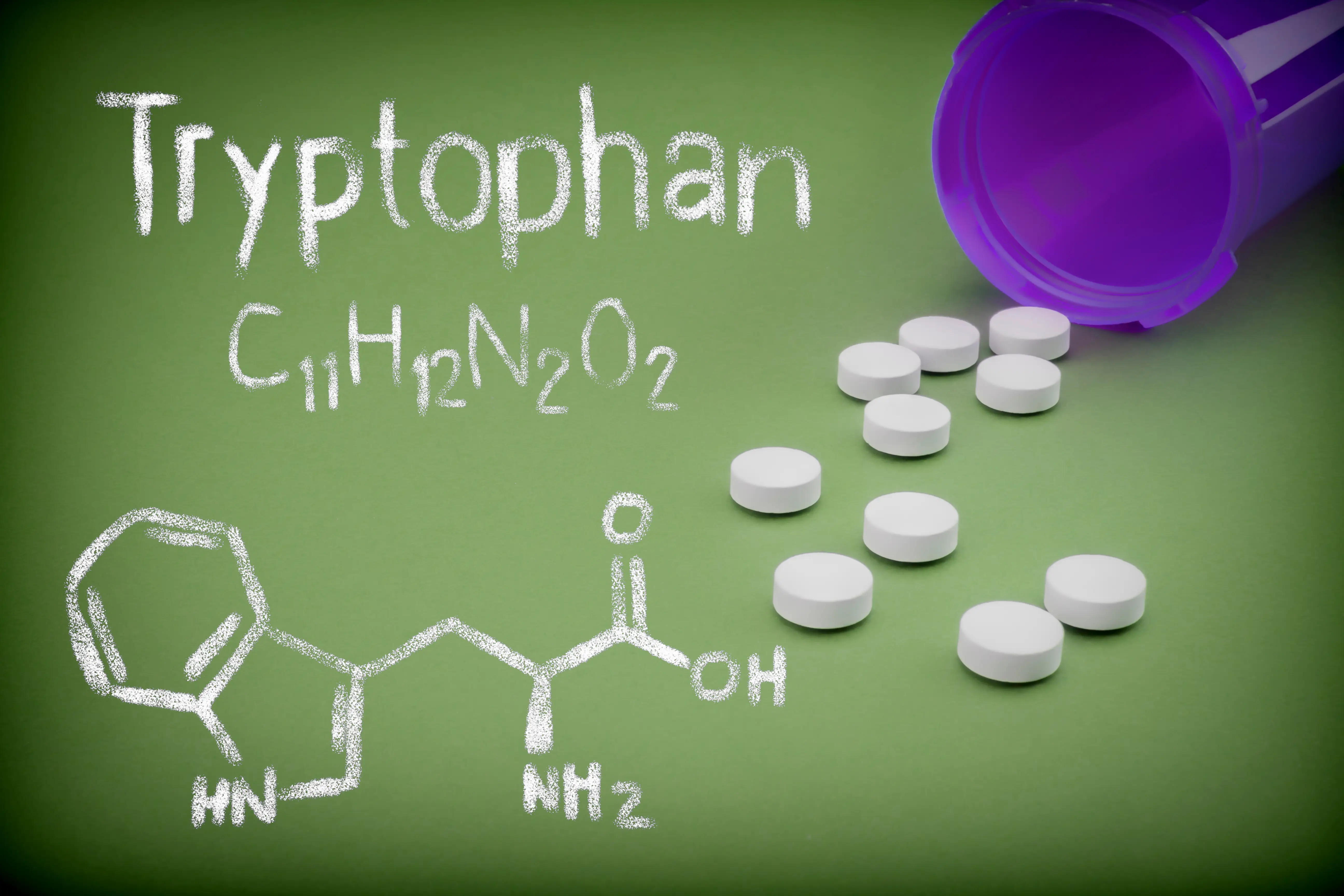
The turkey explanation skips how a mixed meal behaves. Eating a mixed meal is not the same as taking isolated tryptophan, and tryptophan competes with other large neutral amino acids for transport into the brain.
In a study of nine fasting adults, carbohydrate-rich and protein-rich breakfasts produced different plasma tryptophan-to-amino-acid ratios. The researchers measured blood amino acids and insulin, not post-meal sleepiness 11. The study therefore cannot prove that turkey, protein, carbohydrates, serotonin, or melatonin explains why a particular person feels sleepy after a meal.
A turkey-containing meal still delivers tryptophan alongside other amino acids and nutrients. It does not mimic an isolated dose. The amount eaten, alcohol, time of day, and prior sleep all remain relevant. For more detail on what the amino acid can and cannot establish, see what tryptophan does.
Glucose and insulin changes are not automatically a “crash”
Glucose and insulin normally change after food. Feeling sleepy afterward does not by itself show that blood glucose rose too fast, fell too low, or that the body released “too much insulin.”
An Endocrine Society guideline recommends evaluating a hypoglycemic disorder in people without diabetes when three elements are documented: compatible symptoms, a reliably low plasma glucose during the episode, and improvement when glucose is raised. The guideline notes that the symptoms are nonspecific and that hypoglycemia is uncommon in people who are not taking glucose-lowering drugs 3.
This is why sleepiness alone should not be labeled reactive hypoglycemia. A clinician can decide whether the pattern warrants testing and which test fits the circumstances.
Use a one-to-two-week observation before changing your diet
A short record can reveal whether the pattern follows time of day, prior sleep, a particular meal, alcohol, or medicine timing. It can also give a clinician more useful information if the problem continues.
Record only what helps:
- When the meal started and whether it was smaller, usual, or larger for you
- The main foods and drinks in ordinary language, without counting calories or calculating macros
- Any alcohol
- Your previous sleep opportunity, wake time, major awakenings, naps, or shift-work changes
- The exact symptom: dozing, fatigue, weakness, shakiness, dizziness, faintness, brain fog, or confusion
- When the symptom began, how long it lasted, and whether it stopped an activity
- Medicine and supplement timing, without changing any dose
- What you were doing, such as sitting in a meeting, walking, studying, or driving
- A glucose or blood pressure reading only if you already monitor it under a care plan
Do not try to create a perfect food diary. The purpose is to compare ordinary days and identify a repeatable pattern.
Low-effort comparisons that may clarify the pattern
Change one thing at a time on days when it is safe to experiment:
- Compare your usual meal with a somewhat smaller version while keeping the foods and timing similar.
- On another day, compare a different normal meal at the same time. Describe the foods rather than targeting a universal carbohydrate, fat, or protein ratio.
- Slow the pace of eating and note whether the amount you comfortably choose changes.
- Compare the same meal at a different time, if your schedule allows.
- Avoid alcohol before driving, operating equipment, working at height, or doing another safety-sensitive task. Alcohol adds impairment to sleepiness 12.
- Prioritize enough sleep before deciding that the meal is the main cause.
These are comparisons, not a prescription to skip meals, fast, pursue weight loss, remove food groups, or buy a supplement. If you use insulin or another glucose-lowering medicine, have an eating disorder or a history of one, are pregnant, or follow a medically prescribed eating plan, discuss meal changes with the appropriate clinician or dietitian first.
When the pattern may need medical attention
Sleepiness happens outside meals too
Make an appointment if you often doze after meals and at other times, fall asleep unintentionally, remain very sleepy despite enough opportunity to sleep, or have loud snoring, gasping, witnessed breathing pauses, morning headaches, or sleep attacks. Daytime sleepiness, frequent loud snoring, gasping, breathing that stops and starts, and headaches are among the symptoms that can occur with sleep apnea 13. Insufficient sleep is common, but narcolepsy and other sleep disorders can also cause excessive sleepiness 1.
A medicine or substance may be contributing
Prescription medicines, over-the-counter products, cannabis products, and supplements can affect alertness. FDA guidance lists sleepiness, dizziness, fainting, slowed movement, and trouble focusing among effects that can make driving or machinery unsafe. The timing can last for hours or into the next day 14.
Check the label and discuss the pattern with a pharmacist or prescribing clinician. Do not change the dose or timing of a sedating medicine, diabetes medicine, or blood pressure medicine on your own.
Glucose symptoms need the right context
Low blood glucose is particularly relevant for people who use insulin or certain other diabetes medicines. Symptoms can include shakiness, hunger, tiredness, dizziness, confusion, a fast or irregular heartbeat, vision or speech difficulty, seizures, or loss of consciousness. If you have diabetes, follow your prescribed plan for checking and treating low glucose rather than using general internet advice 2.
If you do not have diagnosed diabetes, repeated fatigue together with increased thirst, frequent urination, unusual hunger, blurred vision, slow-healing sores, or frequent infections is a reason to ask a clinician whether testing is appropriate. Type 2 diabetes can also cause few or no noticeable symptoms, so a symptom list cannot diagnose or exclude it 15.
Dizziness or faintness after meals is not ordinary drowsiness
Postprandial hypotension is a meal-related blood pressure reduction. A 2024 systematic review found it was common across the studied older-adult settings, but estimates varied widely because populations and diagnostic methods differed 4.
An older adult who repeatedly becomes dizzy, weak, unsteady, faint, or falls after eating should seek medical assessment. A clinician may compare blood pressure before and after a meal and review medicines and health conditions. Do not reduce or reschedule blood pressure medicine without that guidance.
Persistent fatigue may point elsewhere
If the main problem is low energy throughout the day rather than dozing, a clinician may consider anemia, thyroid disease, infection, mood conditions, sleep disorders, medication effects, and other causes based on the history and examination. Broad testing without a pattern is often less useful than a targeted evaluation 1. Do not start iron, thyroid products, stimulants, or other supplements based only on post-meal fatigue.
Driving and urgent warning signs
Do not start or continue driving, operate machinery, work at height, or perform another hazardous task when you are struggling to stay awake. Pull over or stop work safely. Coffee, an energy drink, fresh air, loud music, or an open window does not make severe sleepiness safe. NHTSA warns that caffeine alone may not prevent brief sleep episodes in a seriously sleep-deprived driver 12.
Seek emergency help for:
- Fainting or loss of consciousness
- Chest pain or severe trouble breathing
- Severe confusion, unusual behavior, or difficulty waking
- Sudden one-sided face, arm, or leg weakness, or sudden trouble speaking
- A seizure
- Suspected severe low blood glucose when the person cannot treat themselves
Chest pain, breathing trouble, major changes in mental status, and fainting are recognized medical-emergency signs 5. Sudden one-sided weakness or confusion can signal stroke and requires immediate emergency action 16. Severe low glucose can cause seizure or unconsciousness and needs prompt treatment under the person's emergency plan 2.
The bottom line
Post-meal sleepiness is usually an interaction, not a single switch. Your body clock and accumulated need for sleep set the background. The meal, its size and timing, alcohol, medicines, and health conditions can then strengthen or change the experience.
A brief record and one-variable-at-a-time comparisons are more informative than blaming turkey, carbohydrates, fat, insulin, digestion, or serotonin. If the pattern is severe, persistent, or accompanied by weakness, dizziness, faintness, confusion, or other concerning symptoms, treat those details as the real question and seek appropriate care.