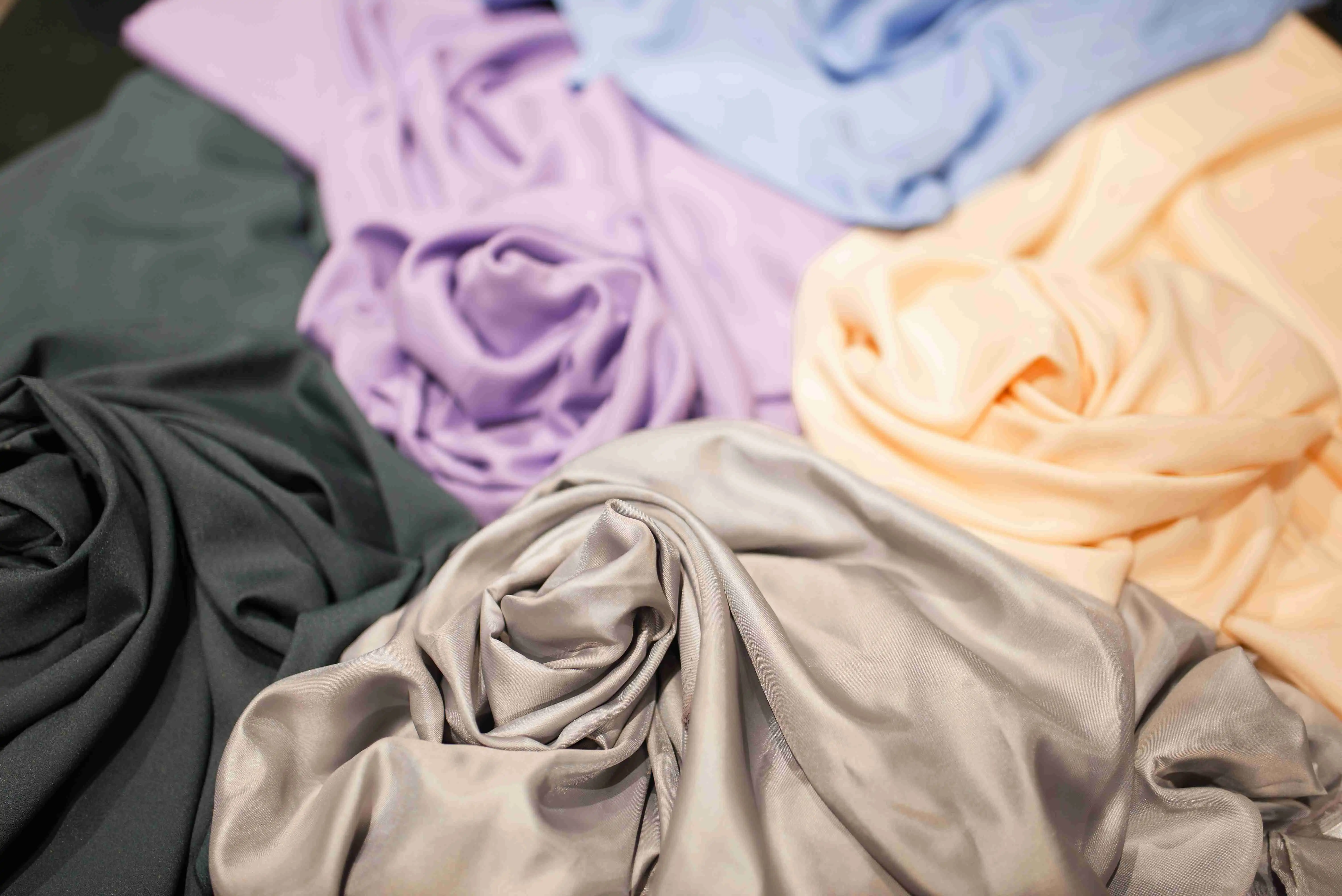

There is no medically or scientifically established schedule for replacing bed sheets. A fixed rule such as every two or three years ignores how often a set is used, how it is washed, whether it fits, and what condition it is in.
Keep sheets that are intact, cleanable, comfortable, and secure on the mattress. Repair or replace them when they can no longer do those jobs. One set may fail quickly after damage, while another may remain useful for many years.
U.S. textile labeling rules require information such as fiber content, country of origin, and the responsible company. They do not give sheets a durability grade or replacement date 1. Public-health laundry guidance also focuses on proper cleaning and drying, not buying new linens on a calendar 2.
A quick replacement decision
Examine the fitted sheet, flat sheet, and pillowcases separately. You do not need to discard an entire set because one piece has failed.
Ask five questions:
- Is the fabric structurally sound? Look for thinning, holes, torn hems, split seams, or fabric that tears with gentle handling.
- Does it still fit securely? Check whether fitted-sheet elastic holds the corners and whether the sheet matches the mattress depth and dimensions.
- Can it still be cleaned? Consider persistent odor, residue, or contamination after cleaning that followed the product instructions.
- Is it comfortable for the people using it? Notice rough pilling, scratchy repairs, bunching, or a texture that has become unpleasant.
- Does it still meet the household's needs? A new mattress, adjustable bed, skin sensitivity, mobility need, frequent accidents, or a changed laundry routine can make a previously workable set impractical.
A "no" does not always mean immediate replacement. A loose seam may be repairable. A faded but comfortable flat sheet may work for years. The decision depends on whether the problem is cosmetic, repairable, or interfering with use.
Inspect the fabric, seams, and hems
Hold the sheet up to light and compare heavily used areas with the edges. Large translucent patches, fabric that feels unusually thin, and holes that keep spreading show that the cloth is losing structure.
A small split along an otherwise sound seam can often be stitched. A damaged hem may also be repairable if the surrounding fabric can hold new stitches. Repair is less useful when the fabric itself is weak across a large area, several seams are failing, or a patch would create an uncomfortable ridge.
Holes are a practical reason to act when toes, jewelry, mobility equipment, or an adjustable-bed joint can catch in them. If the damage is limited to one fitted sheet or pillowcase, replace that piece instead of assuming the matching flat sheet must go too.
Check fitted-sheet elastic and mattress fit
A fitted sheet has stopped functioning when its corners repeatedly pull free, the elastic no longer contracts, or excess fabric bunches under the sleeper. Before replacing it, confirm that the problem is the sheet rather than a mismatch with the mattress.
Measure the mattress length, width, and total depth, including any topper that stays on the bed. A set bought for an older or shallower mattress may be in good condition but no longer fit. Changing to a split mattress, adjustable base, hospital-style bed, or another configuration can also change which sheet dimensions and features are useful.
Loose elastic can sometimes be replaced or tightened. If the fabric and seams remain sound, that repair may be enough. If the corners are torn or the sheet is too shallow, new elastic will not solve the underlying fit problem.
Decide whether a stain or odor is cosmetic
A stain is discoloration. It does not by itself prove that a clean, dry sheet is unsafe. If the mark remains after label-compliant cleaning but the sheet is otherwise clean, odor-free, and comfortable, replacement is an aesthetic choice.
Persistent odor deserves a closer look. Rewash according to the product and laundry-product instructions, make sure the item dries completely, and check the washer, dryer, hamper, and storage area for the source. Replace the sheet if the odor or residue remains and the fabric cannot be cleaned without using a method that would damage it.
Ordinary illness does not automatically require new sheets. The Centers for Disease Control and Prevention says household linens should be washed with detergent at the recommended temperature and dried completely. It also says dirty laundry from a sick person can be washed with other people's items 2.
Floodwater, sewage, chemicals, pests, or extensive mold are different situations. Follow the relevant public-health, pest-control, or product guidance rather than experimenting with incompatible cleaners. The Environmental Protection Agency notes that mold can be difficult or impossible to remove completely from some wet porous materials and that affected items may need to be discarded 3. Do not donate a sheet that remains moldy, contaminated, damp, or strongly odorous.
Treat texture and appearance separately
Fading, mismatched color, wrinkles, and minor pilling can make sheets look old without preventing their use. If the sheet still fits, cleans well, and feels comfortable, appearance alone is not a functional reason to replace it.
Texture becomes a reason to act when pilling or roughness irritates the skin, catches on clothing, makes the fabric hard to smooth, or is uncomfortable enough that the household avoids using the set. Comfort is personal. A sheet does not need to feel new to remain serviceable.
Buying new sheets also does not guarantee better sleep. A preferred texture or a fitted sheet that no longer bunches may make the bed more comfortable, but there is no replacement interval proven to improve sleep quality.
Do new sheets reduce allergens or bacteria?
Buying a new set is not a substitute for cleaning or an allergy-control plan. New sheets begin accumulating ordinary skin oils, moisture, dust, and other debris as soon as they are used.
For dust-mite allergy, the National Institute of Environmental Health Sciences recommends a combination of measures such as allergen-impermeable mattress and pillow covers, humidity control, and regular bedding washing. It does not present routine sheet replacement as the treatment 4.
This article is about when to replace sheets, not how often to launder them. See How Often Should You Wash Your Sheets? for the cleaning schedule and situations that may change it. If allergy or asthma symptoms persist, discuss the triggers and treatment plan with a healthcare professional rather than repeatedly buying bedding.
Material and thread count do not set a lifespan
Cotton, linen, polyester, rayon, and blended sheets can all be well or poorly made. Durability depends on the yarn, weave or knit, finishing, construction, use, laundering, and fit as well as fiber content. A natural-fiber name does not prove that one sheet will outlast a synthetic or blended sheet.
Thread count is also not a replacement clock or a durability guarantee. It describes a fabric construction detail, but it does not reveal the full quality of the yarn, seams, elastic, finishing, or manufacturing. Use the number as one product detail, not proof of a longer life.
The fiber label is still useful. The FTC requires covered bedding, including sheets, to disclose the generic fiber names and their percentages by weight. That helps you compare what products actually contain, but it is not a durability rating 1.
Be especially careful with the word "bamboo." The FTC says soft textiles advertised as bamboo are usually rayon or viscose made using bamboo as the plant source. They should not be assumed to retain the plant's antibacterial properties or to be environmentally preferable without evidence 5.
Make the sheets last as long as they remain useful
Care instructions vary by product, so a universal rule to use cold water, high heat, low heat, bleach, or fabric softener can be wrong for a particular set. Keep the care information and follow the manufacturer's washing, drying, and stain-treatment instructions. The CDC's general household guidance likewise says to use detergent, the recommended water temperature, and complete drying for linens 2.
A few practical habits can slow avoidable damage:
- address stains before repeated drying sets them further, using only products and methods suitable for the fabric
- mend a loose seam or small tear while the surrounding fabric is still strong
- avoid forcing a too-shallow fitted sheet over the mattress
- store sheets clean and completely dry
- rotate sets if having a spare is useful
Rotation spreads use and washing across several sets, so each set may last longer in calendar years. It does not make the fabric withstand an unlimited number of use and care cycles.
Replace only what no longer works
Use this order:
- Keep it: The sheet is cleanable, dry, structurally sound, comfortable, and fits.
- Repair it: A seam, hem, small tear, or elastic section can be fixed without leaving weak or uncomfortable fabric.
- Use it elsewhere: A clean sheet that no longer suits the bed may work as a painting cover, packing wrap, sewing fabric, or cleaning cloth.
- Donate it: Donate only clean, dry, usable sheets, and ask the organization whether it accepts bedding. A charity needing ready-to-use linens has different standards from a textile collector.
- Recycle it: Some municipal and retail textile programs accept linens, including sheets, but availability and condition rules vary. The EPA advises checking the local program and keeping materials clean so they are more likely to be processed 6.
- Dispose of it: Use local disposal guidance for sheets that are moldy, contaminated, treated with a hazardous chemical, or rejected by reuse and recycling programs.
Keeping a serviceable sheet in use avoids replacing it prematurely. The EPA identifies source reduction and material reuse as preferable ways to reduce waste, while also advising households to verify local recycling options before placing an item in a collection stream 7.
Evaluate sustainability claims separately
A fiber name alone does not establish the environmental impact of growing or extracting the raw material, processing it into fabric, dyeing and finishing it, transporting it, laundering it, or disposing of it.
Look for a specific claim and its basis. Examples include a stated percentage of recycled content, a clearly identified certification, or information about a particular manufacturing process. The FTC advises against broad, unqualified claims such as "green" or "eco-friendly" because they are difficult to substantiate. Even a third-party certification does not remove the seller's responsibility to support its claims 8.
Durability is also separate from sustainability marketing. A sheet with a preferred certification may still fit poorly or fail early, while an unremarkable sheet already in the closet may have years of useful life left. Buy a replacement when it meets a real need, then judge its fit, care requirements, construction, and substantiated claims rather than relying on one material name.