
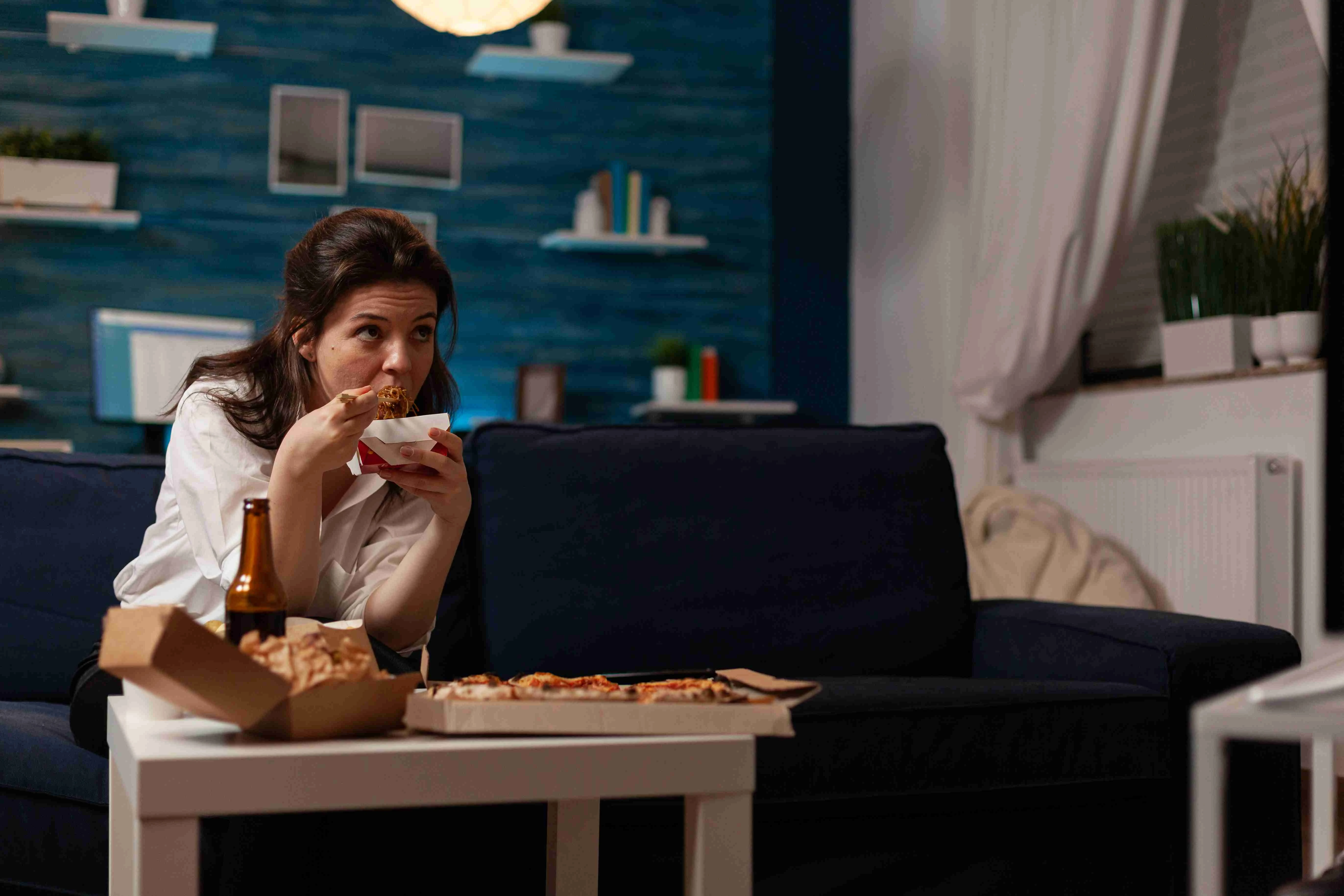
Eating before bed is not inherently bad. A small, familiar snack when you are genuinely hungry is different from a large meal that leaves you uncomfortably full, a repeated pattern of eating through the biological night, or eating during a partial awakening that you do not remember.
The effect depends on what and how much you eat, how close the food is to lying down, whether it triggers reflux or another symptom, your usual eating pattern, and conditions or medicines that change your nutrition or glucose needs. There is no universal time after which food becomes harmful.
Start by naming the situation
"Eating before bed" can describe several different patterns:
- An ordinary snack: You are awake, hungry, and choose a modest amount of food before sleep.
- A late or large meal: Dinner happens close to lying down and may cause fullness, reflux, or discomfort.
- Habitual late-night eating: A meaningful share of daily food is repeatedly shifted into the late evening or biological night. This is a broader meal-timing pattern, not one snack.
- Night eating with awareness: You repeatedly feel driven to eat late or after waking and remember the episodes.
- Sleep-related eating: You prepare or eat food during a partial arousal and have little or no memory the next day.
Those patterns should not be grouped under one rule. The first may need nothing more than a practical adjustment. The last two can warrant clinical assessment.
What does the sleep evidence show?
Research does not establish that any food eaten near bedtime will ruin sleep. A systematic scoping review found that human research on meal timing and sleep used many different definitions and was dominated by questionnaires and movement-based sleep estimates. Only a small part of the literature used controlled designs or polysomnography, so associations between later eating and poorer sleep cannot prove that the food caused the sleep problem 1.
Timing can also run in the other direction. Someone who stays awake later has more opportunity to eat, and short or irregular sleep can change appetite and food choices. Work hours, chronotype, alcohol, caffeine, total food intake, reflux, stress, and health conditions may influence both the meal and the night.
Controlled time-restricted eating trials do not settle the bedtime-snack question. They change the whole daily eating window for weeks, not one small snack. A 2024 review of six randomized TRE trials found mostly neutral or mixed sleep results, with no polysomnography in any included trial 2.
Meal size and symptoms are often more useful than a universal clock rule. A large meal may feel uncomfortable or worsen reflux in a susceptible person. Ordinary hunger may also make it difficult for some people to settle. If hunger is the clear problem, a small snack is a reasonable experiment, but it is not a proven insomnia treatment.
Caffeine and alcohol deserve separate attention
If the goal is better sleep, check the drink and ingredients as well as the food. A meta-analysis of 24 controlled studies found that caffeine reduced total sleep time and sleep efficiency and increased the time it took to fall asleep and time awake during the night. The effect varied with dose, timing, and individual metabolism, so a single cutoff does not fit everyone 3.
Alcohol can make a person feel drowsy without producing better sleep. A 2025 meta-analysis of controlled studies found that even a low dose reduced REM sleep, with larger disruption at higher doses 4. Chocolate, coffee-flavored desserts, energy products, tea, cola, and some workout products can contain caffeine. A snack that includes alcohol or a meaningful caffeine dose is a different sleep exposure from the food alone.
Reflux guidance is for people with reflux
For someone with nighttime heartburn or regurgitation, lying down soon after a meal can be an identifiable trigger. The American College of Gastroenterology suggests avoiding meals within two to three hours of bedtime for people with GERD, but labels this a conditional recommendation based on low-quality evidence 5.
This is not proof that everyone needs a three-hour food ban. If you have no reflux symptoms, the GERD interval is not automatically a sleep rule. If you do have symptoms, test the factors that matter to you:
- Reduce the size of a late meal or move it earlier when practical.
- Avoid lying flat immediately after a meal that has triggered symptoms before.
- Treat spicy, high-fat, acidic, or other foods as possible personal triggers, not as universal forbidden foods.
- Keep prescribed reflux treatment separate from your snack experiment.
Pregnancy can make reflux more common, but it can also change hunger and nutrition needs. ACOG advises avoiding lying on your back right after eating as one way to manage pregnancy-related reflux 6. A pregnant person should balance symptom relief with their prenatal or gestational-diabetes plan rather than fasting because of a generic bedtime rule.
Persistent trouble swallowing, coughing or choking with food, a wet voice after swallowing, or a sensation that food sticks is not ordinary indigestion. Dysphagia can lead to choking, dehydration, malnutrition, or aspiration. A speech-language pathologist and medical team can assess safe positioning, food texture, and liquids; do not improvise a restrictive or thickened diet from an online snack list 7.
Does eating before bed cause weight gain?
One bedtime snack does not prove that a person will gain weight or develop diabetes. Regular timing may matter metabolically, but controlled late-eating studies test much larger schedule changes than that.
In a laboratory crossover trial of 20 healthy adults, participants ate the same dinner at either 6 p.m. or 10 p.m. and went to bed at 11 p.m. The later dinner produced a higher glucose response and lower overnight fatty-acid oxidation. This was an acute metabolic experiment, not a test of long-term weight gain or an ordinary small snack 8.
A second tightly controlled crossover study involved 16 adults with overweight or obesity. Researchers shifted an entire three-meal schedule about four hours later for six days while keeping food, activity, posture, and sleep opportunity controlled. Late eating increased hunger and reduced waking energy expenditure, but the study did not show that one food before bed causes obesity or chronic disease 9.
Over longer periods, meal-timing strategies may have small effects. A 2024 meta-analysis of 29 randomized trials found that time-restricted eating, fewer eating occasions, and distributing more calories earlier were associated with modestly greater weight loss. Most included trials had a high risk of bias, the evidence was generally low certainty, and the clinical importance of the differences was uncertain 10.
The useful conclusion is not that timing never matters or that calories are the only issue. It is that a repeated eating pattern, meal size, total intake, food quality, activity, sleep schedule, and medical context matter more than labeling one bedtime snack as automatically fattening.
Diabetes needs an individual plan
A bedtime snack is not a universal diabetes treatment. A systematic review of 16 intervention studies in people with type 2 diabetes or prediabetes found no consistent evidence that a bedtime snack improved overnight or morning glucose, especially when studies included a no-snack comparison 11.
Some people still need planned food at night because of their insulin regimen, another glucose-lowering medicine, exercise, alcohol, pregnancy, recurrent hypoglycemia, or a pattern seen on reliable glucose measurements. Others may have higher overnight glucose after a snack. Use the plan created with your diabetes team rather than adding or removing food solely to change a morning reading.
Low glucose during sleep can be serious. Insulin and some other diabetes medicines increase the risk, and physical activity or alcohol can change that risk. NIDDK recommends working with the diabetes team on glucose monitoring, medicine, meals, snacks, and treatment of lows 12. Do not reduce prescribed medicine, skip needed carbohydrate, or force a routine snack without knowing the problem you are trying to solve.
What can you eat if you are hungry?
If you are not hungry and do not have a medical reason to eat, you do not need a bedtime snack. If hunger is keeping you awake, choose a small portion of a food you already tolerate and that fits the rest of your day. A piece of toast, a small yogurt, fruit with a nut or seed butter, or a modest serving of leftovers can all be reasonable for the right person. None is universally best.
Use your own health plan to narrow the choice:
- Follow allergen labels and your established avoidance and emergency plan. A packaged food being described as a "sleep snack" does not make it safe for your allergy 13.
- If you have chronic kidney disease, do not assume that nuts, dairy, fruit, or extra fluid fit your potassium, phosphorus, protein, sodium, or fluid targets. NIDDK recommends an individualized eating plan because CKD needs vary 14.
- If you are in eating-disorder treatment or recovery, follow the meal plan created with your team. Do not use a bedtime cutoff to compensate for eating, ignore hunger, or add another rigid restriction.
- An athlete may have planned pre-sleep nutrition for recovery. Research on pre-sleep protein has focused mainly on overnight muscle protein synthesis in healthy young men, not on treating sleep problems, and it should not override total daily nutrition or individual gastrointestinal tolerance 15.
- A shift worker's bedtime may occur in the morning or afternoon. Plan around the actual work, sleep, glucose, and symptom pattern rather than applying an 8 p.m. rule written for daytime workers 1.
Food is not a sedative
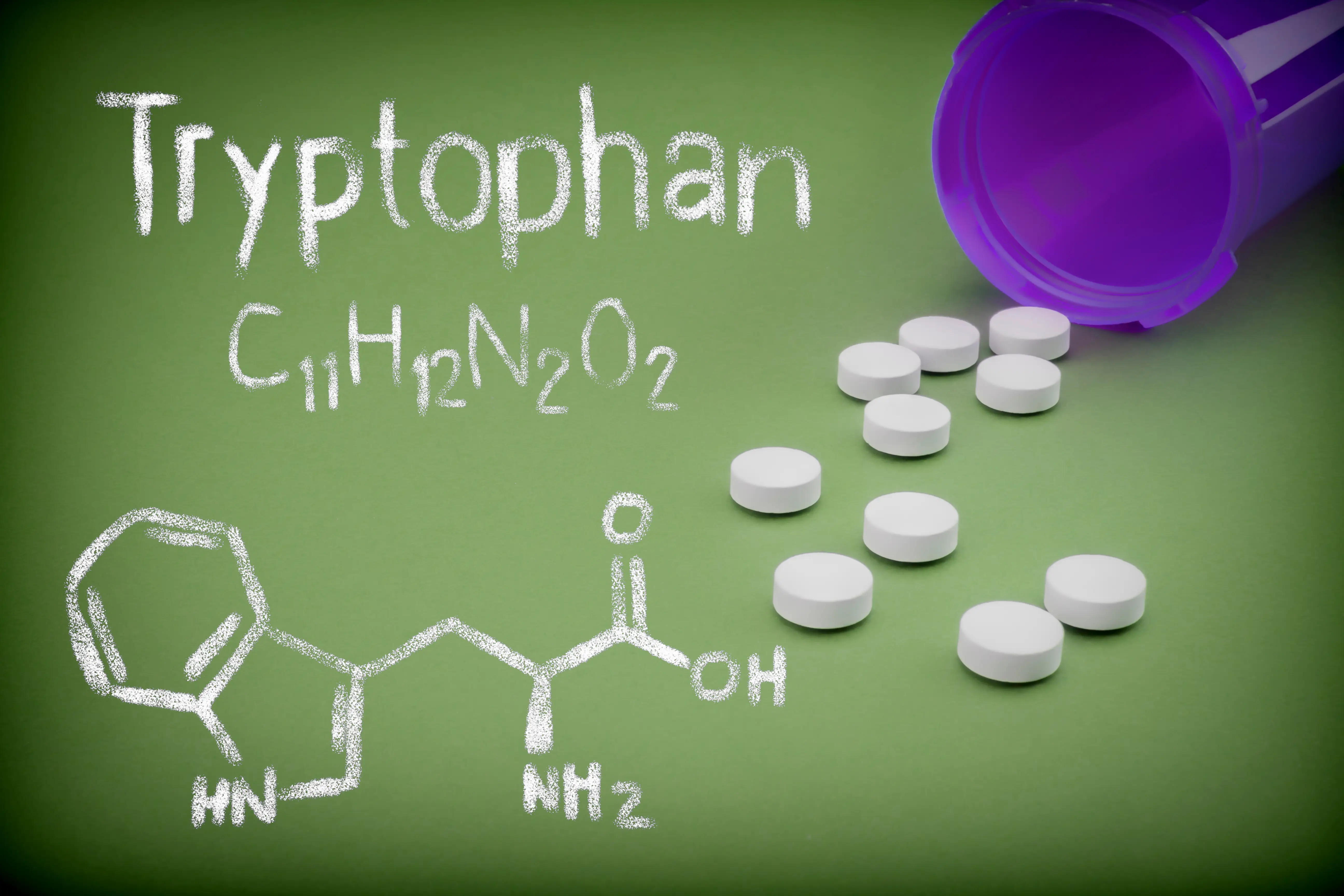
Tryptophan, magnesium, melatonin, or carbohydrate content does not guarantee that an ordinary food will make you sleep. Studies of isolated supplements, extracts, juices, or specially formulated products cannot be transferred to a normal serving of a different food.
Reviews have found that randomized evidence for magnesium and sleep remains uncertain and that tart cherry studies differ substantially in product, dose, duration, population, and outcome 1617. Choose a snack because it addresses hunger and fits your nutrition needs, not because it is advertised as producing melatonin, deep sleep, or faster sleep.
Try one practical change
If you are unsure whether bedtime eating affects you, use a simple one-variable experiment:
- Name the problem. Is it physical hunger, reflux, uncomfortable fullness, habit, stress, an evening workout, a missed meal, or a glucose plan?
- Change one thing. If hungry, try a small familiar snack. If overly full or reflux-prone, reduce or move the late meal. If not hungry, do not force food.
- Keep the rest stable when practical. Changing caffeine, alcohol, bedtime, meal size, and snack composition together makes the result hard to interpret.
- Track useful outcomes. Note hunger, fullness, reflux, estimated time to fall asleep, awakenings, morning symptoms, and next-day energy and function.
- Look for a repeated pattern. One good or bad night is not enough to identify a cause. Stop the experiment if it worsens symptoms or conflicts with a medical or recovery plan.
When nighttime eating needs assessment
An occasional conscious snack is not night eating syndrome. Recurrent eating late in the evening or after waking, with awareness and recall, may need evaluation when it involves a strong urge, loss of control, distress, sleep disruption, or impaired daily life. Experts continue to refine how night eating syndrome should be defined, so a clinician should assess the whole eating, sleep, mood, medicine, and work-schedule pattern rather than diagnosing it from one clock time 18.
Sleep-related eating disorder is different. It is a parasomnia in which eating or drinking follows an arousal from sleep and is accompanied by partial or complete amnesia. It can occur with another sleep disorder or after certain psychoactive medicines and can lead to cuts, burns, poisoning, or eating unsafe substances 19.
Seek an eating-disorder-informed clinician for repeated awake episodes with loss of control, distress, or compensatory restriction. Seek a sleep clinician when food disappears overnight, someone observes confused eating, you wake to kitchen evidence you cannot explain, or an episode causes injury. Do not abruptly stop a prescribed sedative or psychiatric medicine; ask the prescriber to review it.
When to get urgent help
Seek prompt medical assessment for progressive trouble swallowing, repeated choking or coughing with food, food sticking, persistent vomiting, black stools, vomiting blood, unexplained weight loss, or frequent nighttime reflux despite treatment 57.
Use your prescribed emergency plan for a food-allergy reaction. Trouble breathing, throat swelling, faintness, or signs of shock after eating can be anaphylaxis and require emergency care 13.
If you use glucose-lowering medicine, treat a confirmed or suspected low according to your diabetes plan. Confusion, inability to swallow safely, loss of consciousness, or a seizure requires emergency help and should not be managed by trying to feed the person 12.
Bottom line
Eating before bed is not automatically harmful. If you are hungry, a small familiar snack may be more comfortable than trying to sleep hungry. If you are not hungry, there is no sleep benefit to forcing one.
Focus on the actual issue: portion size, reflux, caffeine, alcohol, a repeated late-eating pattern, glucose treatment, nutrition needs, or nighttime eating with loss of control or amnesia. Adjust one variable, watch your symptoms and daytime function, and use condition-specific guidance instead of a universal bedtime food rule.