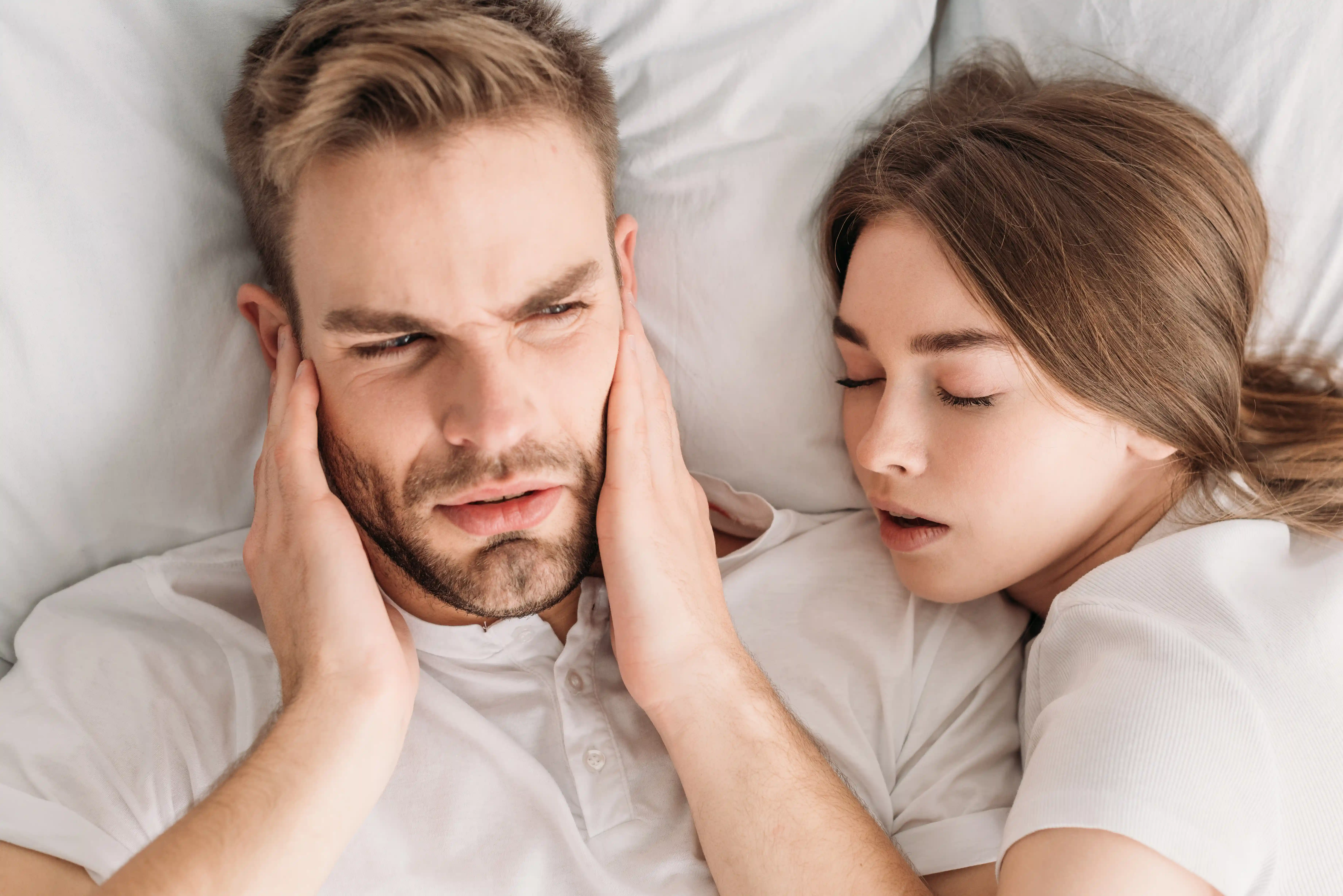

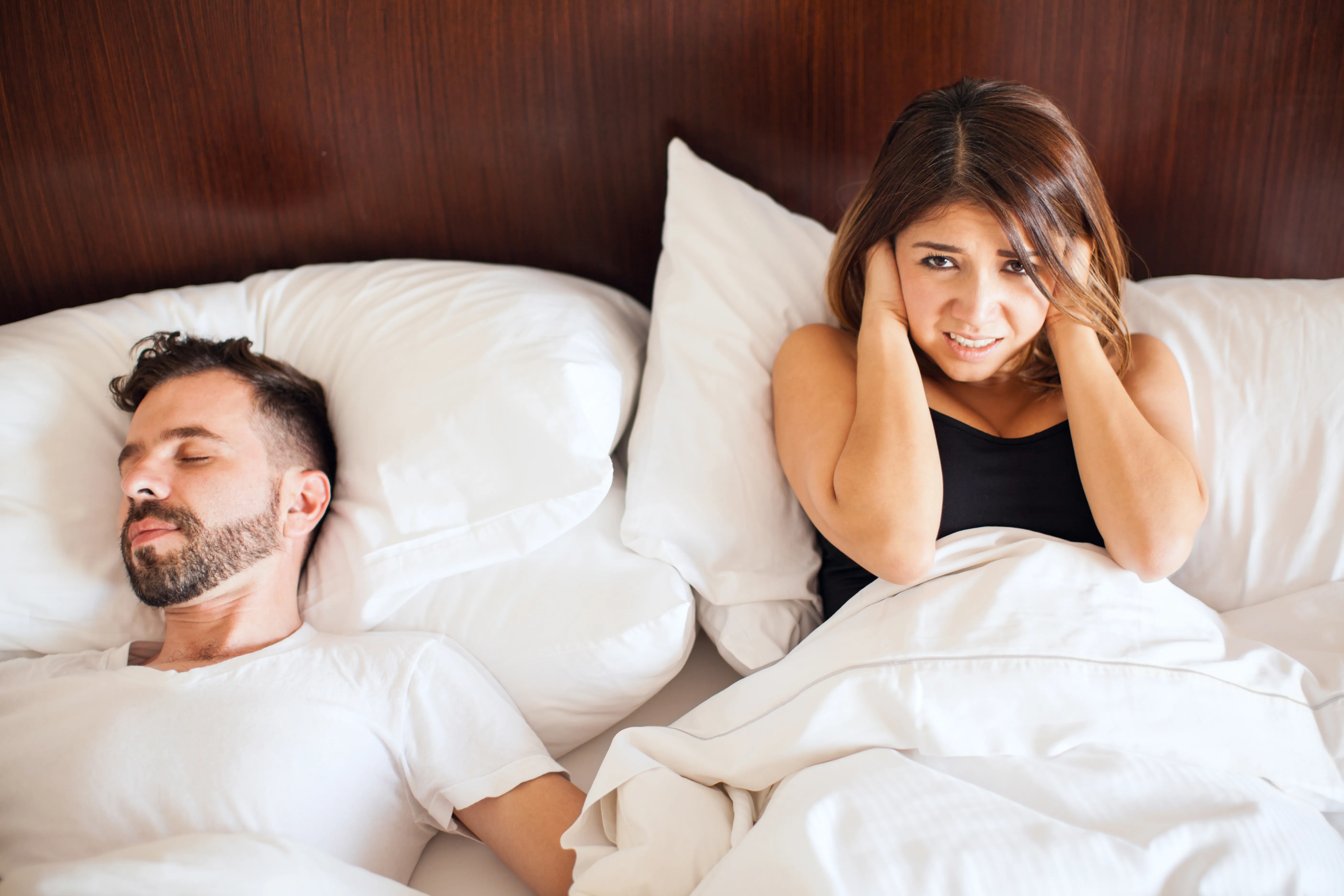
Occasional snoring during a cold or after drinking alcohol may be low concern if it stops when the temporary trigger passes. However, no snoring sound can be declared harmless by listening alone. Habitual snoring deserves context because it can accompany obstructive sleep apnea (OSA), disrupt a partner's sleep, or signal a different concern in a child or during pregnancy.
Snoring is the sound of upper-airway tissues vibrating during sleep. OSA is repeated narrowing or closure of the airway that reduces breathing enough to meet defined criteria. A person can snore without OSA, but sound does not reveal airflow, sleep arousals, or oxygen changes reliably enough to separate the two 12.
Why the sound cannot prove snoring is harmless
Quiet, steady, or position-dependent snoring is not a safety test. Neither is sleeping through the night, remembering no awakenings, feeling reasonably rested, or having a body size that does not fit the usual sleep apnea stereotype. OSA can occur without dramatic choking or obvious daytime sleepiness, and people do not necessarily remember the brief arousals it causes 2.
Loudness can add context, but it is not a severity scale for an individual. In one referred group, average snoring intensity rose as OSA became more severe, yet the measurements overlapped between severity groups and the correlation was not strong enough to diagnose OSA from sound 3. Soft snoring does not rule OSA out, and loud snoring does not prove severe OSA.
Snoring only on the back may mean position affects the airway. It does not show that breathing is normal on the side. The same applies when a nasal strip, pillow, or other measure makes the room quieter. Less noise is useful to both sleepers, but it does not establish that abnormal breathing has resolved.
What primary snoring means
Primary snoring describes snoring without clinically important sleep-disordered breathing identified on the relevant evaluation. It is a clinical conclusion, not something to diagnose at home from a recording, lack of symptoms, or one reassuring night. Definitions and study thresholds have varied, which is one reason a clinician interprets the whole picture rather than applying a single sound rule 1.
Some breathing reductions cause brief brain arousals without a large oxygen drop. These may be scored as respiratory effort-related arousals, or RERAs, during appropriate testing. They are sometimes discussed under the label upper airway resistance syndrome. The label should not be self-diagnosed, but it helps explain why a basic home test or normal-looking oxygen graph may not settle persistent symptoms 2.
Primary snoring may still matter. The noise can repeatedly disturb a bed partner and strain sleep, mood, or the sleeping arrangement. That is a real reason to seek treatment even when OSA has been excluded 1.
Claims about long-term disease need more caution. Studies have reported associations between self-reported snoring and cardiovascular, carotid, metabolic, mood, or cognitive outcomes, but many are observational and cannot fully separate primary snoring from unrecognized OSA, body weight, smoking, alcohol, or other shared factors. Other long-term studies found no independent link between snoring and cardiovascular death, stroke, or incident cardiovascular disease after accounting for relevant breathing measures 1. Current evidence does not justify saying that primary snoring itself causes heart disease, stroke, diabetes, cognitive decline, immune impairment, or overnight oxygen drops.
A practical decision path
A brief period of snoring can be watched when there is a clear temporary explanation, such as a cold, short-lived nasal blockage, or an unusual night after alcohol, and the sound returns to the person's usual baseline as the trigger clears.
Arrange a routine evaluation when snoring is persistent, frequent, worsening, or disruptive, even if none of the classic warning signs is obvious. Raise the priority if any of these apply:
- witnessed pauses, gasping, choking, snorting, or labored breathing;
- excessive sleepiness, unintended dozing, unrefreshing sleep, or difficulty concentrating;
- morning headaches, frequent nighttime urination, or repeated unexplained awakenings;
- high blood pressure that remains difficult to control, atrial fibrillation, or another cardiovascular condition in which OSA would change care;
- a marked recent change in snoring, especially after a medication change, weight change, or new health problem;
- new or worsening habitual snoring during pregnancy;
- habitual snoring or sleep-related breathing concerns in a child; or
- work, driving, caregiving, or another safety-sensitive task affected by sleepiness.
Adult guidelines use symptoms, examination, health conditions, and safety risk together to decide who needs testing. Snoring, witnessed apnea, unrefreshing sleep, morning headache, nocturia, sleepiness, resistant hypertension, and atrial fibrillation can all be relevant, but no single item makes or excludes the diagnosis 42.
If you are fighting sleep, do not drive or perform hazardous work. Stop in a safe place and arrange another way to travel. Snoring is not the immediate danger in that moment. Impaired alertness is 2.
What an evaluation can establish
A clinician may ask about the pattern over several nights, daytime function, nasal symptoms, alcohol, medicines, health conditions, and observations from a partner. Examination may include the nose, tonsils, jaw, tongue, and other airway features. This assessment determines whether the likely issue is temporary nasal obstruction, primary snoring, OSA, or another sleep-related breathing problem.
Polysomnography in a sleep laboratory is the standard diagnostic test when OSA is a concern. A clinician-directed home sleep apnea test can be appropriate for some uncomplicated adults with a higher likelihood of moderate to severe OSA. It is not a general test for every snorer, and a negative, inconclusive, or technically inadequate home test should be followed by polysomnography when concern remains 2.
Phone recordings can document when the sound occurs, and a partner's notes may capture pauses or gasps. Consumer apps, microphones, wearables, and overnight oxygen devices vary in what they measure and how well they have been validated. They can support a clinical conversation, but they cannot diagnose a sleep disorder or certify that snoring is harmless 5.
Snoring in children and infants
Habitual snoring in a child should not be dismissed as a smaller version of adult snoring. Discuss it with the child's clinician, especially with mouth breathing, pauses, bedwetting, restless sleep, morning headaches, sleepiness, overactivity, behavior changes, learning difficulty, or slowed growth. Enlarged tonsils or adenoids are common contributors to pediatric OSA, and children need a pediatric assessment and testing pathway rather than an adult app or home rule 6.
Infant breathing can be irregular, and not every snort, squeak, or brief pause is snoring or apnea. Persistent noisy breathing, difficulty feeding, choking during feeds, chest or neck retractions, or breathing pauses needs pediatric assessment 7. Call emergency services if an infant's breathing stops for more than 20 seconds, the skin becomes pale, blue, or gray, or there is a concerning change in muscle tone or responsiveness 8.
Snoring during pregnancy
Pregnancy can bring new snoring as weight, hormones, and airway swelling change. Report new or clearly worsening habitual snoring to the prenatal clinician, particularly with witnessed pauses, gasping, marked sleepiness, morning headaches, or elevated blood pressure 9.
In a prospective cohort, pregnancy-onset habitual snoring was associated with higher odds of gestational hypertension and preeclampsia after adjustment for several measured factors. This was an observational finding, so it does not prove that snoring caused either condition or predict what will happen in one pregnancy 10. It does support taking the symptom seriously in the wider prenatal picture.
Treatment follows the cause
Treatment should target the reason for the snoring and the outcome that matters. If the goal is noise relief after OSA has been excluded, options can be proportionate:
- Treat short-term nasal blockage or an identified allergy according to appropriate medical or label guidance. Saline may help congestion, while decongestants and medicated sprays have their own limits. Nasal strips may improve nasal airflow for some people but do not treat every source of snoring or prove breathing is safe 1.
- If alcohol reliably worsens snoring, try avoiding it near bedtime and compare several typical nights. Do not use alcohol as a sleep aid 1.
- If snoring is consistently worse on the back, a positional measure may reduce the sound. Improvement is not a substitute for evaluation when OSA is suspected 1.
- If body weight is relevant and the person wants support, gradual weight care may help some people and has broader health benefits. A response is not guaranteed, and weight should not delay other assessment 1.
- For an adult who wants treatment for confirmed primary snoring, a sleep physician may recommend a custom oral appliance fitted and followed by a qualified dentist. Over-the-counter mouthpieces are not equivalent and can cause dental or jaw problems 11.
- Positive airway pressure or surgery may be appropriate for confirmed indications after a clinician evaluates the diagnosis, anatomy, benefits, and harms. They are not automatic treatments for any snoring sound 1.
Hydration, humidifiers, special pillows, head elevation, throat exercises, and similar measures may affect comfort or help selected people, but none should be promised to make habitual snoring harmless. If a sedative, opioid, or other medicine may be contributing, talk with the prescriber. Do not stop a prescribed medicine abruptly on your own.
For a fuller discussion of cause-specific options, see how to stop snoring.
Protect both sleepers while sorting it out
Treat the noise as a shared sleep problem rather than a personal failure. A partner can describe frequency, position, and any pauses or gasps without trying to diagnose the cause. A short consent-based recording may help a clinician understand the concern.
Earplugs, steady background sound, or a temporary separate sleeping arrangement may protect the partner's sleep while the snoring is assessed. Keep alarms, children, and other safety signals audible or use a reliable alternative alert. These steps reduce exposure to noise; they do not treat the person who snores.
The useful question is not simply whether the snoring is loud. It is whether it is temporary or habitual, whether breathing or daytime function may be affected, and whether the person belongs to a group that needs a lower threshold for evaluation. Sound alone cannot provide that answer.