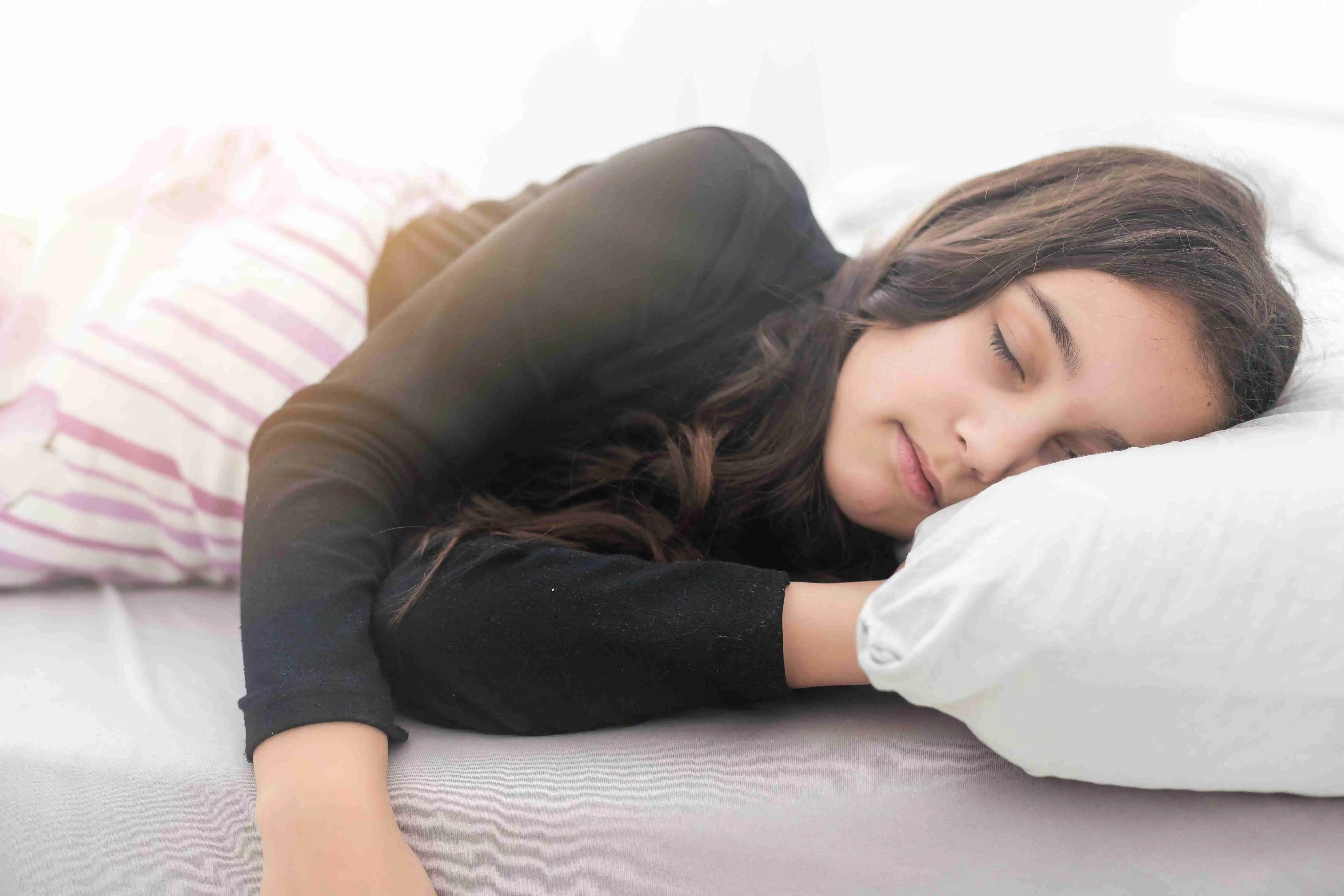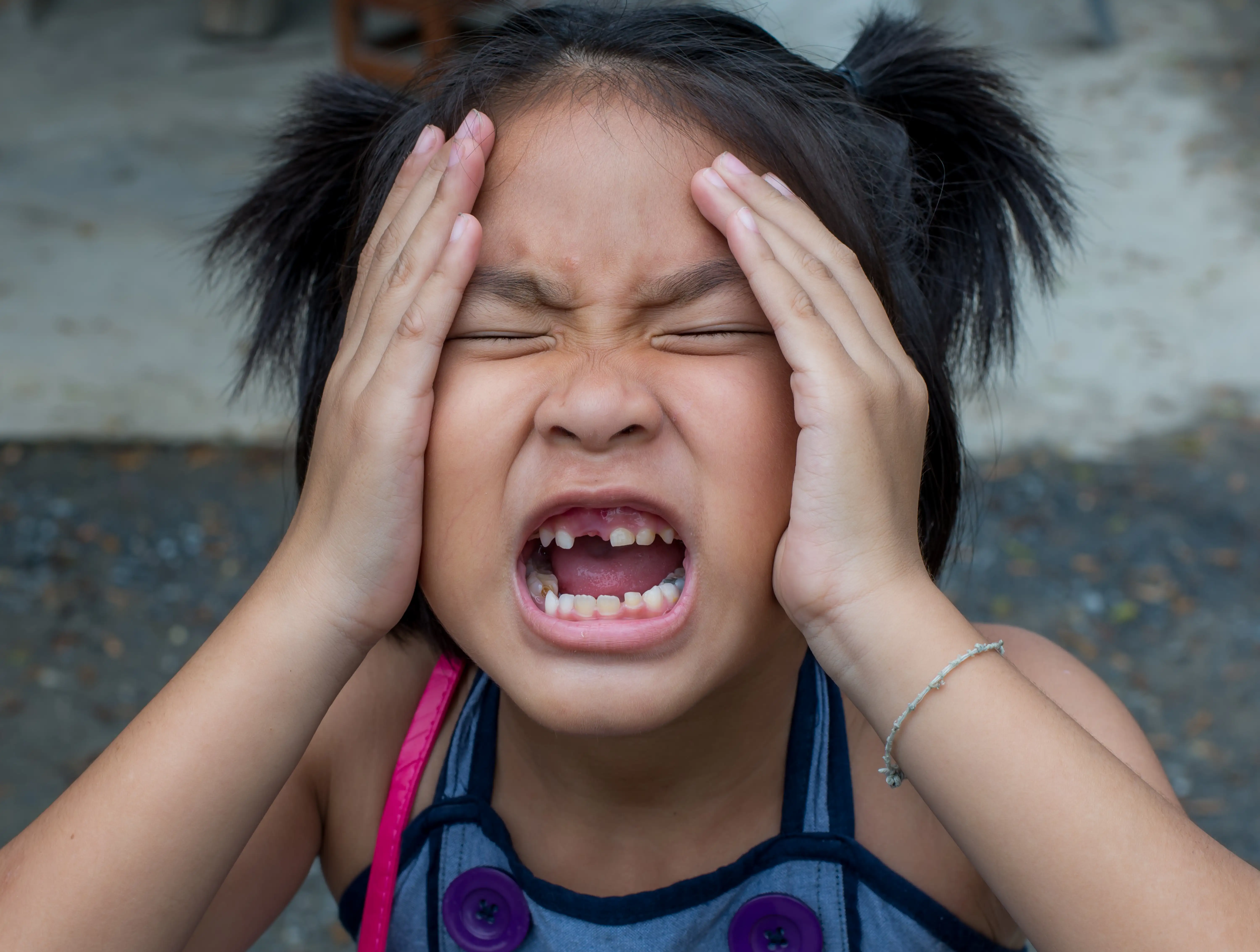


A nightmare is a frightening dream that wakes a child. Once awake, the child is usually alert enough to recognize a parent, accept comfort, and recall at least part of the dream in a way that fits their age and language skills. An occasional nightmare is common and does not by itself mean that a child has a sleep or mental health disorder 12.
The useful questions are not simply how scary the dream sounded or how many nights it happened. What did the child do during the event? Were they fully awake afterward? Did they remember a dream? Is the pattern causing persistent distress, bedtime avoidance, lost sleep, or problems during the day?
First, work out what happened
Several nighttime events can look frightening from the doorway. The child's awareness, memory, movements, and recovery often give more useful clues than the clock.
An ordinary nightmare
After a nightmare, a child usually wakes fully, seeks reassurance, and can describe an image, story, or feeling from the dream. Nightmares are associated with rapid eye movement (REM) sleep and often occur later in the sleep period, when REM periods tend to be longer. Timing can support the history, but it should not be used as an absolute rule 23.
Younger children may communicate the experience with a few words, a drawing, or behavior rather than a detailed story. Limited detail does not automatically turn the episode into a sleep terror.
Nightmare disorder
Nightmare disorder involves recurrent, well-remembered frightening dreams together with clinically meaningful distress or impairment. A child may dread bedtime, lose sleep, struggle at school, or remain preoccupied by the dreams during the day. There is no single age, dream theme, or number of nights that parents should use to diagnose it at home 3.
An intense isolated dream is not nightmare disorder. Repetition also needs context. Several nightmares during a short illness are different from a pattern that persists and changes how a child sleeps or functions.
Sleep terror
During a sleep terror, a child may sit up, scream, sweat, breathe rapidly, or thrash while remaining partly asleep. They can be difficult to wake or console and usually remember little or nothing the next morning. Sleep terrors arise from non-REM sleep and often occur earlier in the sleep period 12.
Trying to wake or question the child forcefully can increase confusion. Keep the area safe, stay nearby, and let the episode pass unless breathing, injury, or another urgent concern requires action.
Confusional arousal
A child having a confusional arousal may sit up, mumble, cry, push a parent away, or act disoriented without a clear frightening dream. The child is not fully awake, may resist attempts to wake them, and usually has little memory afterward. Like sleep terrors, these events arise from non-REM sleep and are different from a remembered nightmare 2.
Dream enactment
Kicking once while waking from a bad dream is not enough to identify REM sleep behavior disorder. The concerning pattern is repeated, complex vocal or motor behavior that appears to act out a dream, especially punching, kicking, leaping, or other behavior that could injure the child or someone nearby.
A parent's description alone cannot confirm REM sleep behavior disorder. A definite diagnosis generally requires specialist assessment and video polysomnography showing REM sleep without the usual muscle atonia 4. Until the child is assessed, remove nearby sharp or breakable objects and do not restrain them during an episode.
A possible seizure
Repeated events that look almost identical each time, especially with stiffening, rhythmic jerking, unusual posturing, loss of awareness, or a prolonged period of abnormal responsiveness afterward, need medical assessment. A nighttime seizure cannot always be distinguished from a parasomnia at home. Repetitive, stereotyped nighttime behaviors are a reason for a clinician to investigate further 2.
For a suspected seizure, clear dangerous objects away, cushion the head, turn the child gently onto their side when possible, and time the event. Do not hold the child down or put anything in their mouth 5.
Sleep paralysis
In sleep paralysis, the child is aware but briefly unable to move or speak while falling asleep or waking. They may also describe a presence, pressure, or a dreamlike image. This is not a nightmare, even when the experience is frightening 3.
Mention repeated episodes to a clinician, particularly when they occur with marked daytime sleepiness, sudden loss of muscle control with emotion, or other symptoms that could point to narcolepsy or another sleep disorder.
What to do immediately after a nightmare
First check that the child is awake, breathing normally, not injured, and responding as expected. Then keep the response simple:
- use a calm voice and remind them where they are
- say clearly that they had a scary dream and that the dream has ended
- offer a light, a drink of water, the toilet, or physical comfort if they want it
- let them tell you about the dream if they choose, but do not insist on a retelling
- return to a brief, familiar settling routine once they feel safe
Reassurance is more useful than arguing with the dream's logic. Avoid laughing at the fear, calling the child babyish, demanding that they “be brave,” or treating the dream as misbehavior. Do not interrogate the child while they are frightened or assign symbolic meaning to a dream as if it proves a diagnosis or a real event 1.
If a child spontaneously says that someone hurt, threatened, or frightened them in real life, listen without leading questions and take the statement seriously. A dream alone does not prove abuse, but a disclosure or immediate safety concern needs an appropriate local safeguarding response 6.
Look for context without assigning blame
Nightmares can become more noticeable during illness, stress, a frightening experience, disrupted sleep, or a change in medication. Frightening media may affect an individual child's dream content. None of these possibilities can be confirmed from one dream, and ordinary nightmares should not be treated as evidence that a parent caused a problem 13.
Ask neutral questions during the day, such as “Was anything worrying you yesterday?” or “Did you see something that felt too scary?” If the child identifies a repeatable media trigger, pausing that content is a reasonable experiment. There is no need to remove every imaginative story or search for hidden meaning in each dream.
A consistent bedtime and enough opportunity for sleep support sleep overall. They may also reduce the sleep disruption that can make some parasomnias more likely. They are not a guaranteed treatment for nightmares, and a nightmare does not show that the family's routine failed.
Review any recent prescription, over-the-counter medicine, or supplement changes with the child's clinician or pharmacist. Do not stop a prescribed medicine abruptly based on a suspected link.
Keep a short record when the pattern repeats
A brief record can help a pediatrician understand what is happening. For several representative events, note:
- when the event occurred and roughly how long it lasted
- whether the child seemed fully awake and recognized you
- what the child remembered the next morning
- any screaming, confusion, walking, stiffening, jerking, complex movement, or injury
- whether the child settled with comfort
- recent illness, fever, stress, frightening content, or medication changes
- snoring, pauses in breathing, gasping, unusual daytime sleepiness, or school difficulties
- bedtime avoidance, fear during the day, or changes in mood and behavior
Do not keep the child awake to collect details or provoke an event so you can record it. If an unusual episode recurs and it is safe to do so, a short video can sometimes help a clinician see the movements. Safety and care come before filming.
Can a child rewrite a recurring nightmare?
A simple form of imagery rehearsal may help some older children who have a recurring, remembered nightmare and want to work on it. While awake, the child chooses a safer, neutral, or more empowered version of the dream. They might change the ending, draw the new story, or briefly imagine it. The goal is not to find hidden symbolism or prove that the original dream was false.
The child-specific evidence is limited. One randomized trial included only 20 children aged 9 to 11 who had frequent nightmares but did not have post-traumatic stress disorder. The children assigned to imagery rehearsal had fewer nightmares than those on a waitlist, but the study was too small to establish how well the method works across ages or clinical situations 7. A later systematic review concluded that more pediatric treatment trials are urgently needed 8.
Keep any home version voluntary, brief, and age appropriate. Stop if it increases distress. Do not make a young child repeatedly describe a frightening event or use rescripting as a substitute for assessment when nightmares follow trauma.
Children with trauma-related nightmares need evaluation in the context of their other symptoms, safety, and functioning. Guidelines support clinician-delivered, developmentally adapted trauma-focused care for children and adolescents with post-traumatic stress disorder or clinically important trauma symptoms 9. A nightmare alone does not diagnose post-traumatic stress disorder.
How a clinician evaluates repeated or unusual events
Many ordinary nightmares and non-REM parasomnias can be identified from the history. A pediatrician may ask about timing, awareness, dream recall, movements, breathing, daytime effects, stress or trauma, medical conditions, and all medicines or supplements. A routine sleep study is not needed for every child with remembered nightmares 2.
Referral to a sleep specialist, neurologist, or child mental health professional depends on the pattern. Video polysomnography, sometimes with additional EEG monitoring, may be considered when episodes are atypical, violent, injurious, highly stereotyped, difficult to distinguish from seizures or dream enactment, or accompanied by signs of another sleep disorder 24.
Treatment should follow the finding. There is no general medication or supplement that a parent should start for childhood nightmares. Products that cause sedation can introduce side effects without addressing the reason for the episodes. Prescription treatment for a diagnosed sleep, neurologic, or mental health condition belongs with the child's clinical team.
When to make an appointment
Arrange an appointment with the child's pediatrician when nightmares:
- keep recurring and cause distress, bedtime avoidance, lost sleep, or problems at school
- begin after a medication or supplement change
- follow a traumatic event or occur with intrusive memories, avoidance, persistent fear, withdrawal, or major behavior changes
- occur with loud snoring, gasping, witnessed pauses in breathing, or marked daytime sleepiness
- are hard to distinguish from sleep terrors, confusional arousals, seizures, sleep paralysis, or dream enactment
- include repeated complex or violent movements, injury, or a child leaving a safe sleep area
Persistent symptoms that interfere with a child's functioning deserve assessment even when they do not fit a fixed frequency cutoff 10.
Seek urgent or emergency help for:
- a first suspected seizure, a seizure lasting more than five minutes, repeated seizures without recovery, trouble breathing or waking afterward, or a serious injury 5
- sudden severe breathing trouble with blue or gray lips or skin, new confusion, or inability to stay awake 11
- immediate danger after a disclosure that the child is being harmed 6
- suicidal thoughts, self-harm, threats to harm someone else, or behavior that makes it unsafe to wait for a routine appointment 10
Use local emergency, crisis, or child-protection services according to the immediate risk.
The practical takeaway
A remembered scary dream followed by full waking and a need for comfort is usually a nightmare. Respond calmly, let the child decide how much to say, and help them return to sleep. When episodes repeat, focus on distress, sleep loss, daytime effects, and what the child actually does and remembers, not on a universal count.
Confusion without full waking, stereotyped movements, dream enactment, breathing problems, trauma symptoms, injury, or safety concerns point to a different path. Those features deserve proportionate medical or mental health assessment rather than more bedtime advice.