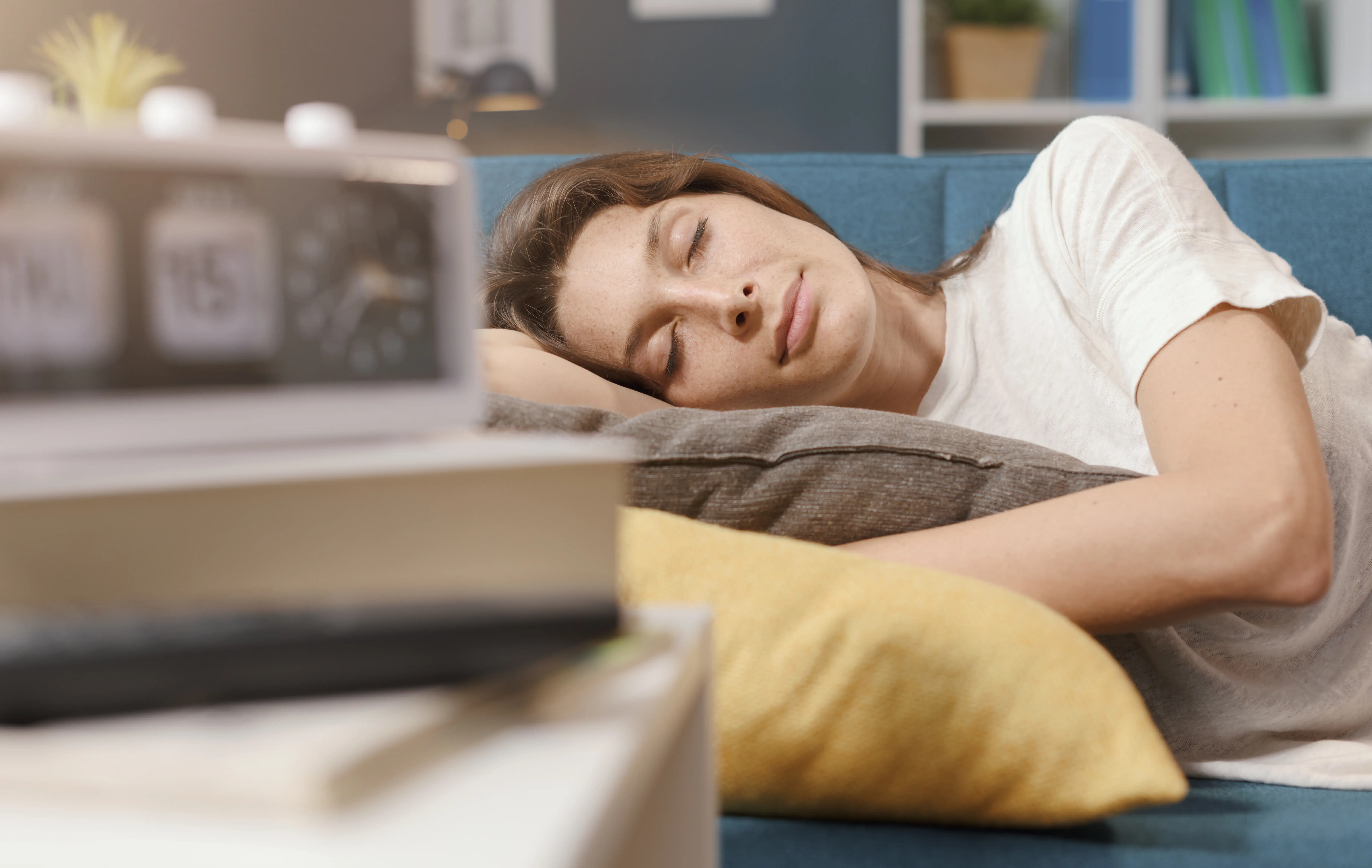


Sexual activity may help some people feel ready for sleep, but it is not a proven treatment for insomnia. The few studies that directly measured sex and subsequent sleep have found some favorable associations, yet their results differ by activity and outcome. The research is too limited to promise faster, deeper, or longer sleep.
The relationship also works in the other direction. Poor sleep and sleep disorders can coincide with changes in desire, arousal, erections, orgasm, comfort, and satisfaction. Neither side of this relationship can be reduced to a single hormone.
What does the research show about sex before sleep?
A 2023 diary study first asked people what they believed sex did to their sleep, then followed participants for 14 days. People generally perceived partnered sex or masturbation with orgasm as helpful. In the nightly records, however, only partnered sex with orgasm was associated with slightly shorter self-reported time to fall asleep and better self-reported sleep quality. Masturbation, partnered sex without orgasm, and the other measured combinations were not associated with those sleep outcomes. The study was observational and relied on participants' reports, so it cannot show that sex caused the difference 1.
A 2025 pilot study used portable sleep monitoring in 14 healthy adults who lived with a partner. Compared with nights without sexual activity, nights involving either masturbation or partnered sex had higher objectively measured sleep efficiency and less time awake after initially falling asleep. The participants also attempted sleep later on sexual-activity nights, and the researchers did not find differences in subjective sleep, total sleep time, sleep latency, or wake time. With only seven couples, this study is useful as an early signal, not a basis for treating insomnia or predicting what most people will experience 2.
Taken together, these studies do not support claims that sex guarantees drowsiness, releases a proven sleep-producing combination of hormones, or increases deep sleep. They suggest a question worth studying in larger and more diverse groups.
Sex, orgasm, intimacy, and relationship context are not the same thing
Research results depend on what was measured. These experiences should not be treated as interchangeable:
- Partnered sexual activity involves another person's preferences, consent, emotions, and schedule.
- Masturbation is solo sexual activity and does not carry the same relationship context.
- Orgasm may occur during either experience, but it is not required for a sexual experience to be satisfying.
- Affection and intimacy can include conversation, holding hands, cuddling, massage, or emotional closeness without sexual activity.
- Relationship context may affect both sleep and sexual well-being independently of what happens at bedtime.
A person may feel calm after one of these experiences and alert, uncomfortable, sad, energized, or unchanged after another. A positive effect from one activity should not be promised for a different one.
How sleep can affect sexual function
A systematic review and meta-analysis found that sleep disorders, particularly obstructive sleep apnea, were associated with a higher likelihood of sexual dysfunction. The studies covered different populations, sleep problems, and sexual outcomes, and much of the evidence was observational. Shared factors such as age, mood, cardiovascular or metabolic health, medications, substance use, and relationship circumstances can influence both sleep and sexual function 3.
Daily research also shows why simple rules are unreliable. In a 14-day study of 171 women, longer sleep on one night was associated with greater desire and higher odds of partnered sexual activity the next day, but some arousal findings moved in different directions. The university-based sample excluded people taking antidepressants, so the results do not establish an ideal sleep duration or apply equally to everyone 4.
In everyday life, sleep loss can leave less energy, attention, privacy, or emotional capacity for sex. Pain, depression, anxiety, caregiving, work schedules, and relationship stress can disturb sleep and affect sexual interest at the same time. That is different from saying that one poor night lowers sex hormones or causes dysfunction.
Persistent loud snoring, observed breathing pauses, gasping, and daytime sleepiness can indicate sleep apnea. Sleep apnea can also present with insomnia or sexual symptoms. These signs deserve assessment rather than an assumption that low desire or erection changes are simply caused by tiredness 5.
Consent and comfort come before sleep
Sexual health includes safety, respect, and freedom from coercion. No one owes a partner sexual activity to help either person sleep, maintain a relationship, or reach a supposed health target 6.
Consent must be clear, voluntary, and ongoing for each activity. It can be withdrawn at any point. Past consent, being in a relationship, sharing a bed, physical arousal, or silence does not establish consent now. A person who is asleep or too impaired to make an informed decision cannot consent 7.
There is also no medically required frequency of partnered sex or masturbation. No sexual activity, occasional activity, and frequent activity can all fit a healthy life. What matters is that each person is comfortable with their choices and that any shared activity is mutually wanted 8.
If touch or bedtime brings fear, freezing, flashbacks, dissociation, or nightmares after trauma, do not use sexual activity as an exposure exercise or sleep strategy. A trauma-informed clinician can help without requiring sexual contact.
A practical, no-pressure way to plan evenings
Start by separating the goals. Are you seeking sleep, sexual pleasure, closeness, or time to reconnect? One activity does not have to accomplish all four.
- Protect enough time for sleep. If sexual activity regularly delays bedtime, choose another time rather than shortening the sleep opportunity.
- Discuss preferences outside the moment. Talk about what each person enjoys, avoids, or wants to try, and make it easy to say no or change course.
- Choose the activity, not a vague expectation. Cuddling, masturbation, partnered sex, and quiet time alone are different options. None should be presented as the required next step.
- Use your own response as the guide. If an activity feels relaxing and does not delay sleep, it may fit the evening. If it feels energizing, painful, emotionally difficult, or disruptive, schedule it differently or skip it.
- Adjust sleep arrangements without reading them as a verdict on the relationship. Separate blankets, a different sleep position, or sleeping apart on some nights may protect rest after shared time.
Do not turn orgasm or falling asleep quickly into a performance target. Worrying about whether sex will “work” can add pressure to both sex and sleep.
Medications, alcohol, and other substances
Some medications can affect sleep and sexual function at the same time. Antidepressants, for example, can cause trouble sleeping or sleepiness and may affect desire, orgasm, or erections. Depression and anxiety can produce similar changes. Discuss a new or distressing symptom with the prescriber rather than stopping an antidepressant suddenly or changing the dose alone 9.
Alcohol can feel sedating, but a systematic review found that even low doses reduced rapid eye movement sleep in healthy adults, while larger doses sometimes shortened sleep latency but caused greater REM disruption. It is not a reliable sleep treatment 10. Alcohol, cannabis, sedatives, and other substances can also impair judgment. If someone is too impaired to make an informed choice, sexual activity must not proceed 7.
Pregnancy, postpartum recovery, and menopause
These life stages can change sleep, comfort, desire, and sexual response, but they do not create a required level of sexual activity.
- Pregnancy: Comfort and interest may change across pregnancy. Follow any restrictions given by the maternity care team. Vaginal bleeding during pregnancy needs advice from a healthcare professional, especially when it is heavy or occurs with severe pain, shoulder pain, dizziness, or fainting 11.
- After birth: There is no universal date when sexual activity must resume. Soreness, fatigue, and vaginal dryness are common reasons not to rush. Closeness can be nonsexual or nonpenetrative, and persistent pain should be discussed with a clinician 12.
- Perimenopause and menopause: Sleep disruption, hot flashes, vaginal or vulvar dryness, pain, medication effects, health conditions, and relationship factors can all affect interest and comfort. Effective care may include lubricants, moisturizers, pelvic-floor therapy, counseling, or prescription treatment based on the cause and the person's preferences 13.
When to seek medical care
Arrange clinical care when a symptom is persistent, worsening, or distressing, including:
- frequent or severe pain during sexual activity 14
- bleeding after sex or other unusual vaginal bleeding 15
- ongoing difficulty with desire, arousal, orgasm, erections, ejaculation, or comfort that causes concern
- erection changes that persist, because erectile dysfunction can be related to vascular, metabolic, neurological, hormonal, medication, or emotional factors 16
- trauma symptoms connected with touch, sex, or bedtime
- loud snoring, breathing pauses, gasping, or marked daytime sleepiness 5
- persistent trouble falling asleep, staying asleep, or functioning during the day
Seek urgent local medical help for heavy bleeding, fainting, severe pelvic or abdominal pain, or pregnancy-related bleeding with severe pain, shoulder pain, dizziness, or loss of consciousness 11.
If insomnia has become long term, sex should not replace evidence-based care. Cognitive behavioral therapy for insomnia is generally recommended as the first treatment for chronic insomnia. It addresses the behaviors and thoughts that maintain the sleep problem rather than depending on a particular bedtime activity 17.
The bottom line
Sexual activity can be relaxing for some people and sleep-disrupting or neutral for others. Early studies do not establish it as an insomnia treatment, and they do not support a universal hormone story, timing rule, or frequency target.
Protect consent, comfort, and enough time for sleep. Treat partnered sex, masturbation, orgasm, affection, and relationship context as distinct experiences. When sleep or sexual symptoms persist, assess the underlying issue instead of asking either sex or sleep to fix the other.