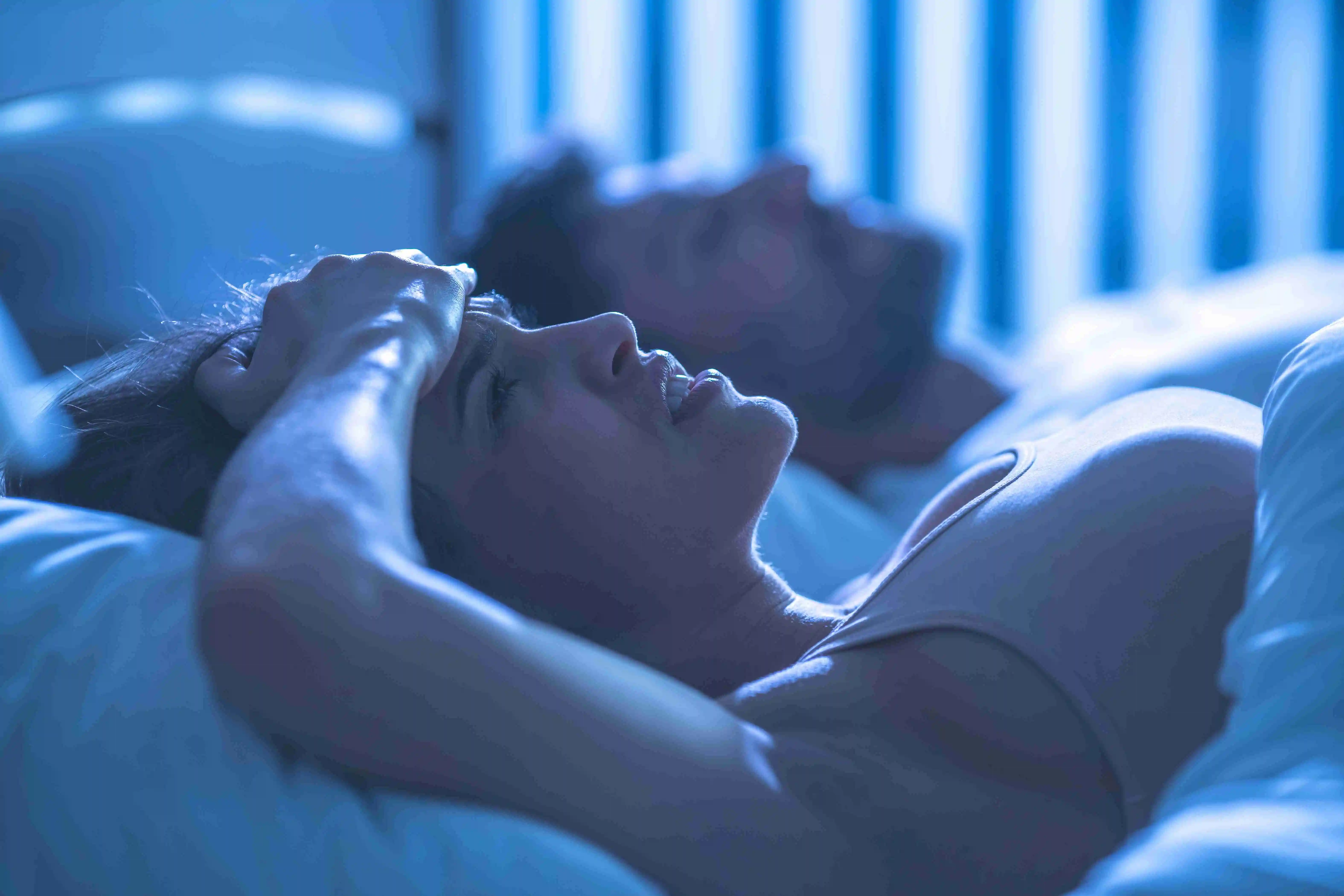


Yes. Anxiety and panic can activate sweating, and a panic attack can wake you with damp clothes, a racing heart, trembling, chest discomfort, or a feeling that something terrible is happening. Sweating is a recognized physical symptom of panic 1.
But repeated drenching sweats should not automatically be labeled anxiety. A warm room, perimenopause, an infection, a medicine, low blood glucose, an overactive thyroid, obstructive sleep apnea, reflux, or substance withdrawal can produce a similar nighttime experience. Less common serious conditions are also possible.
Most people who report persistent night sweats in primary care do not turn out to have a serious underlying disorder. A better starting point is to look at the pattern around the sweating and decide whether anything warrants prompt evaluation 2.
Is it a hot bed or a true night sweat?
There is no single research definition that cleanly separates normal sweating from a medical symptom. A practical distinction is:
- Ordinary overheating has a clear external explanation, such as a warm room, thick duvet, heated mattress pad, nonbreathable sleepwear, or pet under the covers. It improves when that heat source is removed.
- A clinically meaningful night sweat occurs in a comfortably cool setting and is heavy enough to wake you, require a clothing or bedding change, or recur without a clear environmental reason.
One damp collar after a stressful dream is different from repeatedly soaking pajamas and sheets. Even so, how wet the bedding becomes does not reliably identify the cause or show whether it is serious 2.
Check the obvious variables first. Note the actual room temperature, what you wore, how many layers were on the bed, whether a heating device was running, and whether you measured a fever. If changing the environment stops the sweating, the room or bedding was probably contributing. That result does not prove that every previous episode had the same cause.
How anxiety can cause sweating at night
A threat response can increase heart rate, breathing, muscle tension, and sweat-gland activity. This response can occur with daytime anxiety, while falling asleep, after a nightmare, or during a nocturnal panic attack.
Anxiety is more plausible as a contributor when sweating comes with:
- a sudden surge of fear or impending doom
- pounding heart, trembling, tingling, nausea, or dizziness
- rapid breathing or a choking sensation
- worry about having another episode
- a clear relationship to a period of heightened stress
Timing is a clue, not proof. Anxiety can coexist with menopause, thyroid disease, reflux, sleep apnea, medication side effects, or another condition. Feeling calmer after paced breathing also does not diagnose anxiety as the cause.
Nocturnal panic is not the same as a nightmare
A nocturnal panic attack is an abrupt awakening into intense fear with physical symptoms such as sweating, a racing heart, chest pressure, shaking, breathlessness, or dizziness. There may be no frightening dream to recall.
A nightmare is a distressing dream that wakes you, usually with at least some dream imagery or story remembered. A person can sweat during either event.
Repeated choking, gasping, snoring, or witnessed breathing pauses point more toward a sleep-related breathing problem. Confusion, screaming, complex movements, dream enactment, paralysis, or stereotyped repeated spells may suggest another sleep or neurological event. A clinical review of nocturnal panic emphasizes ruling out sleep apnea, sleep terrors, seizures, and other mimics rather than diagnosing panic from sweating alone 3.
Other common explanations to consider
The cause is often suggested by what happens before, during, and after the episode.
Perimenopause and menopause
A hot flash is usually a sudden wave of heat in the upper body, often followed by heavy sweating and sometimes chills. During perimenopause, it may occur alongside changing menstrual cycles and disrupted sleep. Hot flashes can continue after periods stop, and anxiety or stress may trigger or intensify an episode without being its underlying cause 4.
If this pattern fits, discuss menopause-specific options with a clinician. Hormone therapy and nonhormonal treatments have different benefits, contraindications, and side effects. An internet supplement marketed for “hormone balance” is not a substitute for that review.
Fever and infection
Viral illnesses and many other infections can cause sweating as body temperature rises or falls. Measure your temperature rather than relying only on whether you feel hot. Fever, shaking chills, a persistent cough, localized pain, diarrhea, urinary symptoms, a new rash, recent travel, or a relevant exposure changes which evaluation is appropriate.
Tuberculosis, HIV, heart-valve infection, and other chronic infections belong in the differential only when symptoms or exposure risks fit. Testing everyone for every infection is not useful 2.
Medicines and substances
Sweating can begin after a medicine is started, stopped, or increased. Antidepressants are one example, which means a medicine that successfully treats anxiety may still contribute to sweating. Corticosteroids, thyroid hormone, some blood pressure medicines, and medicines that lower glucose can also be relevant 2.
Review prescriptions, over-the-counter products, supplements, and substances with a clinician or pharmacist. Include dose changes and timing. Do not abruptly stop an antidepressant, benzodiazepine, steroid, thyroid medicine, or other prescription to see whether the sheets stay dry. Stopping can cause withdrawal, rebound symptoms, or other harm. The FDA warns that abruptly stopping or rapidly reducing a benzodiazepine can cause life-threatening withdrawal reactions, including seizures 5.
Alcohol withdrawal can cause anxiety, sweating, tremor, insomnia, nausea, a fast pulse, seizures, and delirium. It can be life-threatening after a person who drinks heavily and regularly suddenly reduces or stops. Medical support may be needed before cutting down 6.
Overactive thyroid and other endocrine causes
Hyperthyroidism can cause sweating and heat intolerance together with a rapid or irregular heartbeat, tremor, frequent bowel movements, trouble sleeping, nervousness, or weight loss despite appetite 7.
Other endocrine causes are much less common and usually produce additional, distinctive symptoms. A long panel of hormone tests is not the first step when the history does not point in that direction.
Low glucose during sleep
Nocturnal hypoglycemia is most relevant to people using insulin or certain other glucose-lowering medicines. Clues include nightmares or crying out, damp pajamas or sheets, and waking tired, irritable, or confused. Alcohol, missed meals, illness, or more activity than usual can alter risk 8.
If you have diabetes, follow your individualized glucose-checking and treatment plan when this happens. Review recurrent nighttime lows promptly with the diabetes team rather than simply eating an extra bedtime snack or changing medicine on your own.
Obstructive sleep apnea
Night sweating can occur with obstructive sleep apnea, especially when there is loud snoring, witnessed pauses, gasping, morning headache, dry mouth, or daytime sleepiness.
In an observational Icelandic cohort, frequent night sweating was reported about three times more often by people referred with untreated moderate-to-severe OSA than by a population comparison group. Sweating also decreased more among participants who consistently used prescribed positive airway pressure. Because this was not a randomized trial of sweating, the result supports OSA as a possible clue, not proof that an individual sweat was caused by apnea 9.
Reflux and mood disorders
Gastroesophageal reflux disease is commonly considered when sweating comes with heartburn, a sour or bitter taste, nighttime cough, or symptoms after late meals. Mood and anxiety disorders are also associated with night sweats. These associations do not establish cause in an individual, so treatment response and follow-up matter 2.
Less common serious causes
Some cancers, blood disorders, autoimmune diseases, and neurological conditions can cause night sweats. Night sweats alone are rarely the only clue to cancer. Unexplained weight loss, a measured persistent fever, enlarged lymph nodes, easy bruising or bleeding, or a steadily worsening illness are the findings that make prompt evaluation more important 2.
Report the full symptom pattern to a clinician. A wet pillow by itself does not identify a serious cause.
What a clinician may check
A clinician will usually start with the pattern and associated symptoms.
Be ready to discuss:
- when the episodes started and how often they happen
- whether clothing or bedding needs to be changed
- room temperature, bedding, and sleepwear
- measured fever, weight change, pain, cough, digestive symptoms, swollen nodes, bruising, or bleeding
- menstrual-cycle changes, hot flashes, pregnancy, birth within the past year, or hormone treatment
- panic symptoms, nightmares, trauma symptoms, mood, and daytime anxiety
- snoring, gasping, witnessed pauses, and daytime sleepiness
- diabetes treatment and glucose readings around episodes
- every medicine, supplement, substance, and recent dose change
- alcohol or sedative use and whether intake recently fell
- travel, infection exposure, and relevant medical history
The examination may include temperature and other vital signs, a weight trend, lymph nodes, thyroid, heart and lungs, skin, and any area suggested by the symptoms.
Tests should be selective. A glucose check may answer an episode in a person at risk for hypoglycemia. Thyroid testing fits heat intolerance, tremor, or palpitations. Infection tests depend on fever and exposure. A sleep study fits snoring, gasping, witnessed pauses, or sleepiness.
When recurrent sweats remain unexplained after history and examination, a primary care clinician may begin with a limited baseline evaluation such as a blood count, thyroid test, inflammation marker, and infection testing or chest imaging chosen for the person's risks. CT scans, broad hormone panels, and other specialized tests are reserved for findings that justify them 2.
What you can safely do now
While arranging care or watching a mild pattern:
- Reduce external heat. Use lighter layers, breathable sleepwear, and a comfortably cool room. Change one factor at a time so you can tell what helped.
- Keep replacement clothes nearby. Change out of wet fabric and dry the skin to reduce discomfort and get back to sleep.
- Log the episode. Record the date and time, room temperature, bedding, whether sheets were soaked, measured body temperature, symptoms on waking, and how long they lasted.
- Add likely context. Note stress, nightmares, menstrual timing or hot flashes, medicines and dose changes, alcohol or substance changes, late meals or reflux, snoring or gasping, and glucose data if this is already part of your diabetes plan.
- Use calm breathing for comfort. Slow the exhale and orient yourself to the room if panic symptoms are familiar. Do not treat improvement as proof that anxiety caused the episode. New chest pain, severe breathlessness, fainting, or confusion needs urgent assessment.
- Avoid untested fixes. Do not start hormone products, sedatives, high-dose supplements, or another person's medication for unexplained sweating.
Even a short log may reveal a useful pattern. Do not postpone an appointment for weeks to create a perfect record when symptoms are severe or warning signs are present.
Treating anxiety when it is part of the problem
When assessment supports anxiety or panic, treatment should address the disorder rather than only the sweat.
Cognitive behavioral therapy (CBT) is a well-studied treatment for panic disorder. It helps a person change how they interpret and respond to the physical sensations of panic. Exposure-based methods may be included under professional guidance 1.
A clinician may also discuss medication based on symptom severity, other conditions, pregnancy plans, current medicines, and personal preference. Some medicines used for panic can themselves cause sweating or dependence, so benefits, side effects, and a safe stopping plan matter. Do not borrow a sedative or use alcohol to prevent nighttime panic.
Regular activity, enough sleep opportunity, less caffeine late in the day, and practiced grounding or paced breathing can support treatment. Relaxation may reduce distress during an episode, but it cannot rule out hypoglycemia, sleep apnea, menopause, infection, a medication effect, or another medical cause.
When to seek care
Seek emergency care for night sweating with:
- new or severe chest pain
- severe breathing difficulty, blue or gray lips, or inability to speak normally because of breathlessness
- fainting, a seizure, severe confusion, or inability to wake normally
- signs of severe hypoglycemia when the person cannot safely swallow or treat themselves
- uncontrolled bleeding or vomiting blood
These are general emergency warning signs rather than clues that anxiety is the cause 10 8 11.
Do not assume a first episode of chest pain or severe breathlessness is panic. Panic can cause both symptoms, but heart, lung, glucose, and other emergencies can look similar.
If severe hypoglycemia is possible, use glucagon if it has been prescribed and follow the emergency plan. Loss of consciousness or a seizure needs immediate help 8.
Seek urgent withdrawal guidance if you drink heavily and regularly and have recently stopped or sharply reduced it. Sweating with tremor, vomiting, agitation, hallucinations, fever, seizure, confusion, or an irregular heartbeat can signal dangerous alcohol withdrawal 6. If you take a benzodiazepine regularly, do not stop or rapidly reduce it without a clinician-directed taper 5.
Arrange prompt clinical care for:
- recurrent drenching sweats without an environmental explanation
- persistent measured fever
- unexplained weight loss
- new or enlarging lymph nodes
- unusual bruising or bleeding
- a persistent cough, localized pain, rash, diarrhea, or urinary symptoms
- repeated snoring, gasping, breathing pauses, or significant daytime sleepiness
- recurrent suspected low glucose
- symptoms beginning after a medicine or dose change
- anxiety, panic, nightmares, or trauma symptoms that impair sleep or daytime life
If you are pregnant or gave birth within the past year, tell the clinician. Fever of 100.4°F (38°C) or higher, trouble breathing, chest pain or a fast heartbeat, fainting, confusion, heavy bleeding, severe abdominal pain, or feeling that something is seriously wrong requires immediate maternal care 12.
Common questions
Why do I wake up sweaty and panicked?
A nocturnal panic attack is one possibility, especially if you wake fully alert with sudden fear, a racing heart, trembling, and no remembered nightmare. Sleep apnea, reflux, low glucose, a hot flash, a medicine effect, withdrawal, and other sleep events can feel similar. Recurrent episodes deserve a pattern-based assessment.
Can anxiety cause drenching night sweats?
It can cause heavy sweating, particularly during panic, but the amount of sweat cannot establish the cause. Repeatedly soaked sleepwear or bedding in a cool room should prompt a review of medicines, menopause symptoms, fever, thyroid clues, glucose risk, breathing symptoms, and other associated signs.
How can I stop an anxiety night sweat?
Move to a cool, safe position, change wet clothing, and use slow breathing or grounding if the symptoms match familiar panic and no warning signs are present. Longer-term improvement comes from treating panic or anxiety, often with CBT and sometimes clinician-directed medication. Relaxation alone should not be used to diagnose the episode.
Do night sweats mean cancer?
Usually not. Most people with persistent night sweats in primary care do not have a serious underlying disorder, and night sweats alone are rarely the only sign of cancer. Unexplained weight loss, persistent fever, enlarged nodes, bruising, bleeding, or progressive illness warrant prompt evaluation 2.
Can an antidepressant cause night sweats even if it helps anxiety?
Yes. Antidepressants can contribute to sweating while still helping anxiety or mood. Do not stop suddenly. Ask the prescriber or pharmacist whether the timing fits, whether another cause needs checking, and whether the dose, timing, or treatment should change.
The bottom line
Anxiety and nocturnal panic can cause sweating, but recurrent drenching night sweats are a nonspecific symptom, not an anxiety diagnosis. First remove obvious heat sources and record the pattern. Then look for clues from hot flashes, fever, medicines, alcohol or sedative changes, thyroid symptoms, glucose risk, snoring or gasping, reflux, and other associated symptoms.
Most cases seen in primary care are not caused by a serious disease. A focused history, medication review, examination, and selective testing are usually more useful than either dismissing the symptom as stress or ordering every possible test. Treat confirmed anxiety with evidence-based care, and use the warning signs above to decide when evaluation cannot wait.