
You do not need a bedtime snack if you are comfortable and not hungry. If hunger is making it difficult to settle, a modest amount of familiar food may help you feel more comfortable. Treat it as a response to hunger, not as a treatment that switches on sleep.
Research does not provide a ranked list of ordinary foods that reliably improve sleep. A scoping review of adult intervention studies found that much of the field focused on supplements and caffeine, with important gaps around overall diet and the wider features of sleep health. Those studies cannot establish one best bedtime snack or a universal carbohydrate, protein, or fat formula 1.
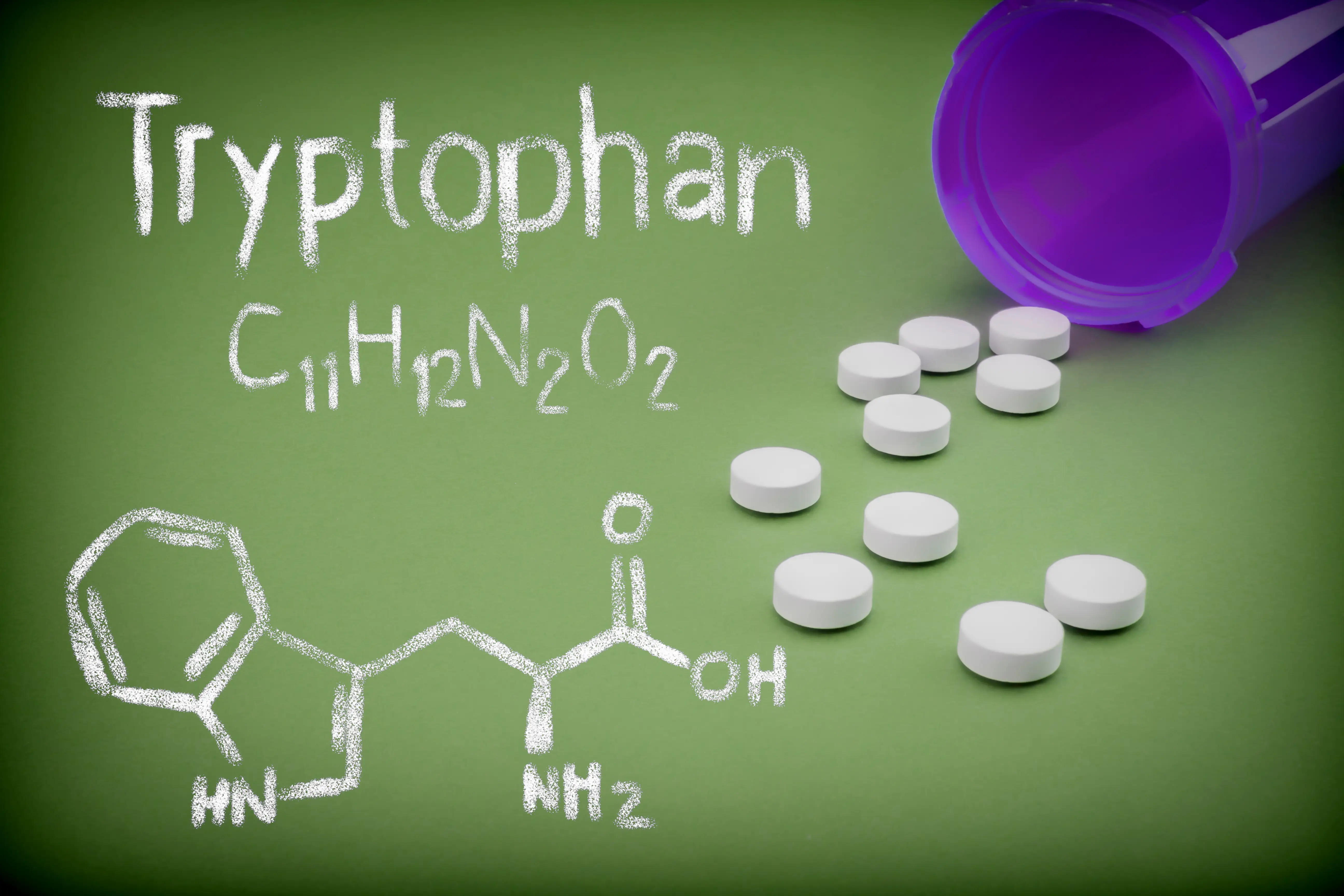
A food may contain tryptophan, melatonin, magnesium, calcium, or vitamin B6 without being proven to improve sleep when eaten as a snack. A nutrient's role in the body is not the same as evidence that a particular food, amount, or bedtime routine produces a meaningful sleep benefit. For a broader look at this research, see our guide to foods and drinks associated with sleep.
Start with the reason you are eating
Use the problem in front of you:
- You feel comfortable and are not hungry: There is no need to add food for the sake of sleep.
- Ordinary hunger is keeping you unsettled: Choose a familiar food in an amount that eases the hunger without leaving you uncomfortably full.
- You already feel full, nauseated, bloated, or refluxy: More food may not solve the problem. Address the symptom or the timing of earlier meals instead.
- A health or treatment plan determines what you eat: That plan takes priority over a generic snack list.
- The eating feels unplanned, out of control, or partly asleep: Pause before treating it as ordinary hunger. A different section below explains what to look for.
There is no research-based calorie range or exact clock time that fits everyone. There is also no requirement to combine carbohydrate, protein, and fat in a particular ratio. Your usual eating pattern, appetite, culture, food access, training, symptoms, medicines, and health conditions can all change what makes sense.
If the problem is ordinary hunger
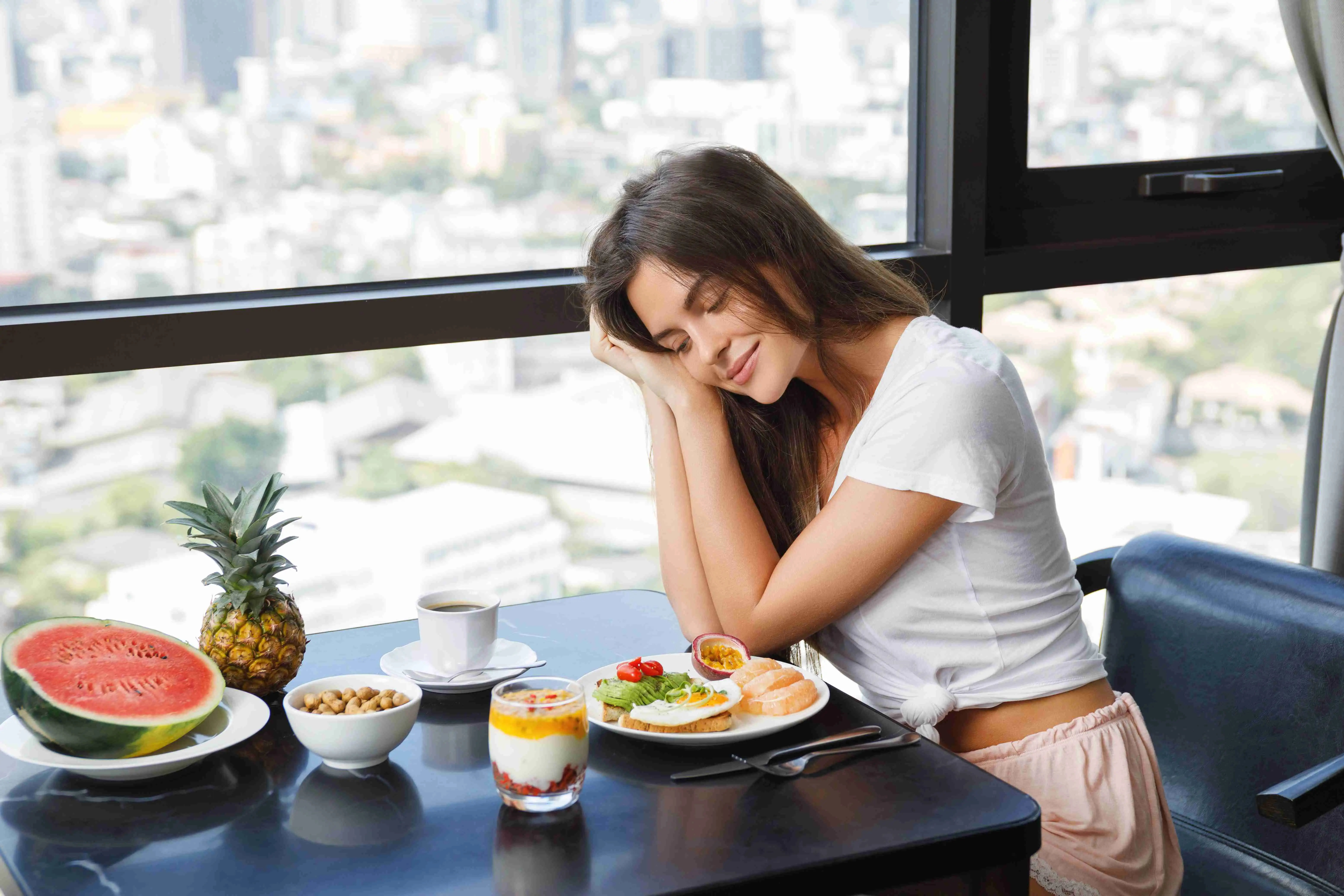
Start with foods you already know you tolerate. The examples below are options, not sleep aids:
- toast, flatbread, cereal, oatmeal, rice, or crackers
- fruit, cooked fruit, or vegetables
- yogurt, lactose-free yogurt, or a suitable nondairy alternative
- cheese, egg, hummus, beans, nuts, or seed butter
- a small serving of leftovers from a meal
You can eat one item or combine foods if that is more satisfying. For example, fruit with yogurt, toast with hummus, cereal with milk, or crackers with cheese may suit some people. None of those pairings is required. Choose equivalents that fit your preferences, household staples, budget, allergies, religious practice, and medical plan.
Do not assume that high-fiber, higher-fat, spicy, acidic, sweet, or packaged foods are automatically good or bad for sleep. Their practical relevance is whether they cause symptoms, contain caffeine or another active substance, conflict with a health plan, or leave you uncomfortably full. If a food repeatedly causes discomfort, use that pattern rather than a moral label to guide the next choice.
When a health need changes the choice
Fullness, indigestion, or reflux
If you are already full, a bedtime snack is unlikely to address the discomfort. A smaller or earlier evening meal may be worth trying on another day, but do not force a rigid eating cutoff if you have no symptoms.
For people with gastroesophageal reflux disease, especially nighttime symptoms, the American College of Gastroenterology conditionally suggests avoiding meals within two to three hours of bedtime. The evidence behind that interval is limited, and it is guidance for GERD rather than a universal rule for everyone 2. Individual triggers also vary. If reflux is frequent, painful, accompanied by trouble swallowing, or not controlled by your current plan, seek medical advice rather than continuing to remove foods on your own.
Lactose intolerance, milk allergy, and other food allergies
Lactose intolerance and milk allergy are not interchangeable. Lactose intolerance is a digestive problem involving the sugar in milk. Milk allergy is an immune reaction to milk proteins and can be life-threatening 3. Lactose-free dairy may suit some people with lactose intolerance, but it is not safe for someone who must avoid milk protein.
If you have a diagnosed food allergy, use foods already included in your allergy plan. Read the full ingredient label and account for cross-contact rather than choosing from a generic list of nuts, dairy, eggs, wheat, soy, or sesame. The U.S. Food and Drug Administration notes that avoiding the allergen and managing cross-contact are central to preventing serious reactions 4.
Diabetes and overnight glucose concerns
Diabetes does not make a bedtime snack automatically necessary. The answer depends on your medicines, activity, glucose pattern, and individualized plan.
If your meter or continuous glucose monitor shows a low, or you have symptoms covered by your hypoglycemia plan, follow that plan promptly. Do not improvise a daily glass of juice or a mixed snack to prevent overnight lows. Fast-acting carbohydrate may be needed to treat a current low, while fat, fiber, and protein can slow absorption. Some medicines also change which rescue option works. NIDDK guidance therefore ties treatment and prevention to glucose monitoring and the person's care plan 5.
Repeated overnight lows, morning highs, alarms, sweating, nightmares, confusion on waking, or fear-driven preventive eating deserve review with your diabetes team. Do not adjust insulin or another glucose-lowering medicine to fit advice from a snack article. Severe confusion, seizure, unconsciousness, or inability to swallow is an emergency; use prescribed glucagon and emergency instructions if your plan calls for them 5.
Kidney disease or a fluid restriction
Generic snack suggestions can conflict with kidney nutrition. Depending on kidney function and treatment, a person may need individualized limits for potassium, phosphorus, sodium, protein, or liquids. NIDDK guidance emphasizes that these needs change with the stage of chronic kidney disease and should be set with the health care team or kidney dietitian 6.
If you have a fluid allowance, ask which foods and drinks count toward it. Use options already approved in your plan instead of assuming that fruit, nuts, dairy, or a large herbal drink is safe.
Pregnancy
Pregnancy can change food safety, caffeine, supplement, and nausea considerations. Use foods that fit your prenatal plan, and avoid unpasteurized dairy, raw animal foods, or herbal remedies that your clinician has told you to avoid. The American College of Obstetricians and Gynecologists also advises discussing over-the-counter medicines, herbal remedies, vitamins, and minerals with a health professional during pregnancy 7.
Medicine that must be taken with food
If a medicine label, prescriber, or pharmacist says to take a dose with food, that instruction determines whether a snack is needed. Ask what "with food" means for that exact medicine because the amount and foods to avoid can differ. The FDA recommends confirming whether a medicine should be taken with water, food, another medicine, or other special instructions 8. Do not change the medicine's timing or stop it to avoid eating at night without checking first.
Exercise recovery or eating-disorder recovery
A planned recovery snack after late training serves a sports-nutrition goal, not a proven sleep effect. Follow the plan you developed with a sports dietitian or clinician rather than replacing it with a sleep-food list.
The same principle applies to eating-disorder recovery. A scheduled evening snack may be part of restoring regular nourishment even when hunger cues are muted. Your treatment plan overrides generic advice to eat only when hungry or to stop at a particular hour.
Thirst and nighttime urination
A snack does not create a universal need for a glass of water or herbal tea. Drink according to thirst and any medical plan. If large late drinks seem to increase nighttime bathroom trips, discuss shifting more fluid earlier in the day. NIDDK advises changing fluid timing for bladder symptoms only with guidance and warns against restricting fluids to the point of dehydration 9.
Frequent nocturia can have more than one cause. Repeated awakenings to urinate deserve assessment rather than progressively stricter self-imposed fluid limits.
Ingredients and drinks that need separate thought
Caffeine
Caffeine is the clearest reason to check more than the snack's nutrition profile. It can appear in coffee, tea, cola, energy products, some supplements, and chocolate. The FDA notes that caffeine naturally present in an ingredient such as chocolate may not appear as the word "caffeine" in the ingredient list 10.
Sensitivity and timing vary. If falling asleep becomes easier when you move a caffeinated food or drink earlier, that personal response is useful. Decaffeinated coffee and tea can still contain some caffeine, so people who are very sensitive may need to account for that too.
Alcohol and cannabis edibles
Alcohol is not a sleep-promoting bedtime drink. It may make a person fall asleep faster, but sleep can become fragmented and end earlier 11. Alcohol can also reduce awareness during eating and complicate overnight hypoglycemia for people who use insulin or certain diabetes medicines 5.
Cannabis edibles are drug products, not ordinary snacks. Their effects can take from 30 minutes to two hours to appear and can last longer than expected, which increases the risk of taking too much. Keep them clearly separated from normal food and locked away from children and pets 12. Do not keep taking more because sleep has not started.
Herbal teas and supplements
"Herbal" does not guarantee that a product is safe, sedating, compatible with pregnancy, or free of medicine interactions. In the United States, dietary supplements do not go through FDA approval for safety and effectiveness before sale in the way medicines do 13. Check with a pharmacist or clinician before using an herb as a nightly sleep treatment, especially if you take medicines or have a health condition.
When nighttime eating is not an ordinary snack
Eating at night does not, by itself, mean that someone has an eating disorder or sleep disorder. The circumstances matter:
- An intentional snack happens while you are awake, is chosen deliberately, and is remembered.
- Loss-of-control eating means feeling unable to stop or choose what happens, regardless of whether another person considers the amount large. One episode does not establish a diagnosis, but recurring distress deserves compassionate support.
- Night eating syndrome involves a recurring pattern of aware evening or nighttime eating with distress or impaired functioning. Awareness and recall are preserved. It is not defined simply by eating after a certain clock time 14.
- Sleep-related eating disorder involves eating after partial arousal from sleep with reduced awareness and often limited or absent recall. People may handle sharp or hot objects, eat unsafe or nonfood items, or discover evidence of eating the next morning 15.
Seek prompt care if nighttime eating involves injuries, burns, fire risk, choking, allergic exposure, unsafe substances, leaving the home, or memory gaps. A sleep clinician can assess possible sleep-related eating. A clinician or eating-disorder specialist can help with recurring loss of control, shame, restriction followed by nighttime eating, or a pattern that is causing distress. These problems call for evaluation, not blame or a stricter snack list.
Basic nighttime food safety
Sit up and turn on enough light to see the food. Do not keep eating as you drift to sleep. Eat slowly and chew thoroughly; MedlinePlus lists poor chewing and talking or laughing with food in the mouth among choking risks 16. People who need help swallowing should follow their clinical safety plan.
Return perishable food to the refrigerator instead of leaving it at the bedside overnight. USDA guidance says to refrigerate perishable foods within two hours, or sooner in hot conditions 17.
Keep your usual dental routine. If you have an acidic snack or drink, the American Dental Association advises rinsing with water rather than brushing immediately, then continuing normal brushing with fluoride toothpaste 18. Avoid falling asleep while slowly sipping or holding a sweet or acidic drink in the mouth.
A snack is not treatment for ongoing insomnia
If hunger is the only barrier tonight, food may address the hunger. It will not treat chronic insomnia, sleep apnea, repeated reflux, nocturnal hypoglycemia, or another condition that is causing awakenings.
Seek assessment when trouble falling asleep or staying asleep keeps recurring, affects daytime functioning, or comes with loud snoring, gasping, unusual nighttime behavior, persistent pain, or another concerning symptom. The 2025 VA and Department of Defense guideline recommends cognitive behavioral therapy for insomnia, or CBT-I, as a first-line treatment for chronic insomnia 19. Adding more bedtime foods is not a substitute for that evaluation and treatment.
The bottom line
Skip a bedtime snack if you feel comfortable and are not hungry. If hunger is the problem, choose a familiar food that fits your preferences and leaves you comfortable. There is no best sleep snack, mandatory nutrient combination, calorie target, or clock time.
When reflux, allergies, diabetes, kidney disease, fluid limits, pregnancy, medicine instructions, sports recovery, or eating-disorder recovery applies, use the plan for that condition. If eating happens with lost control, reduced awareness, memory gaps, or danger, treat it as a reason to seek help rather than a failure to choose a healthier snack.