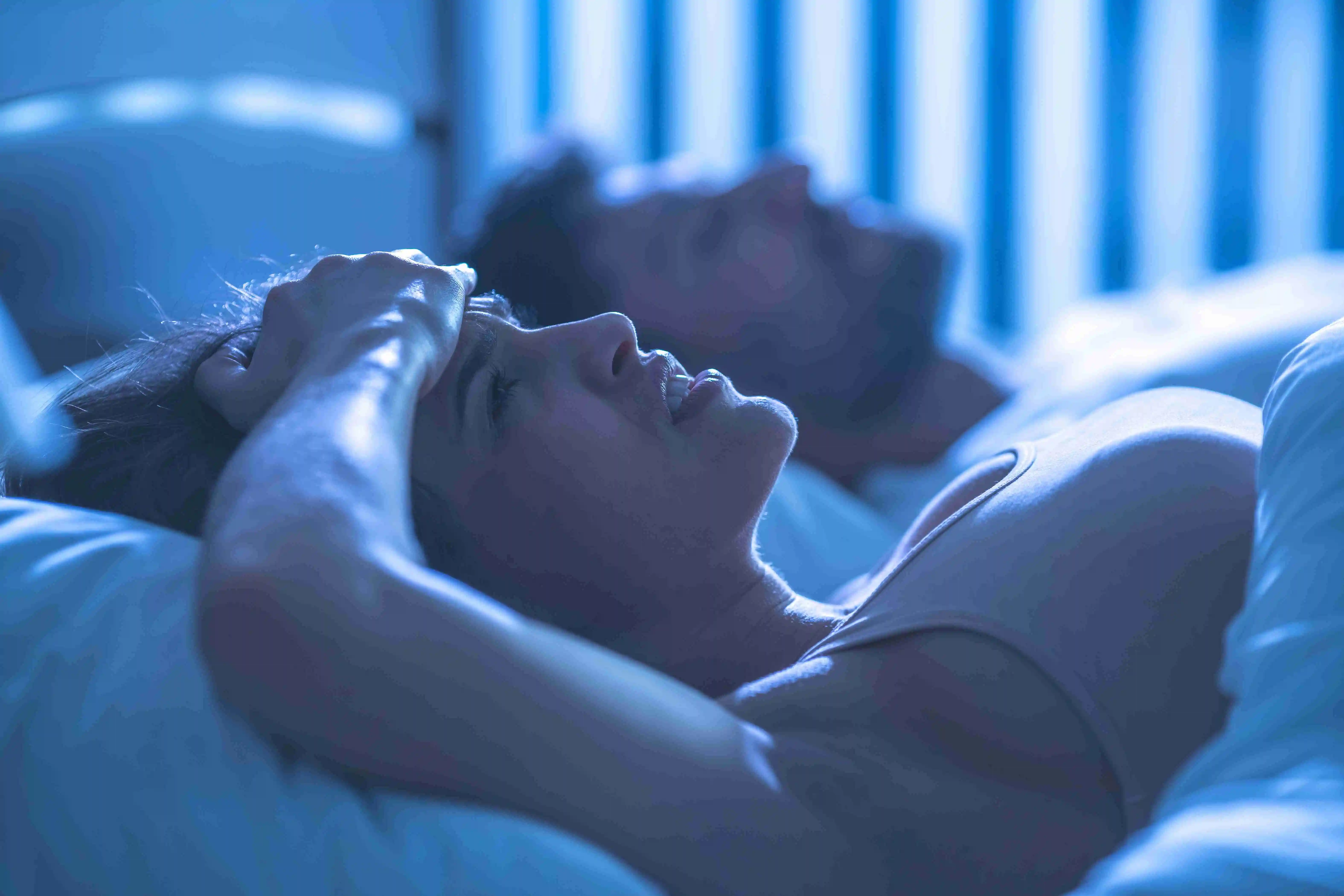


Sleep can change sharply after a meaningful loss. You may struggle to fall asleep, wake repeatedly or too early, have vivid dreams or nightmares, drift into an irregular schedule, sleep longer than usual, or feel exhausted even after sleeping. There is no required order for these changes and no timetable by which sleep must return to normal.
Research is strongest for bereavement after a death. Other losses, including divorce, estrangement, miscarriage, loss of health, or loss of a home or role, can also affect sleep, but they have not all been studied in the same way. A sleep change can be part of acute grief without being harmless or something you must simply endure.
What research shows about sleep after bereavement
A systematic review of 85 studies involving 12,294 bereaved people found that sleep problems were common and tended to be more severe when grief was more intense or accompanied by depression. Controlled and follow-up studies reported poorer overall sleep, trouble falling or staying asleep, shorter sleep, and anxious awakenings. Sleep often improved with time, but not for everyone 1.
The review also found important limits. Many studies relied on questionnaires, used weak or non-longitudinal designs, and focused mainly on middle-aged women after a partner's death. Objective sleep studies did not show one consistent pattern of changes in REM sleep, deep sleep, or other sleep stages. The evidence therefore does not justify a universal explanation based on cortisol, neurotransmitters, melatonin, or a particular sleep stage 1.
Longer sleep and unrefreshing sleep also deserve a careful reading. They can occur alongside depression, medicine effects, illness, sleep apnea, or another sleep disorder. Depression, for example, can involve either insomnia or sleeping too much 2. Sleeping more does not prove that someone is choosing sleep as an escape, just as sleeping less does not show that they are grieving more deeply.
Dreams about the person who died may feel comforting, painful, confusing, or emotionally neutral. A dream does not have one medically established meaning. Repeated trauma-related nightmares, flashbacks, avoidance, and feeling constantly on guard after a violent or frightening death may point to post-traumatic stress rather than grief alone 3.
Grief does not follow fixed sleep stages
The familiar sequence of denial, anger, bargaining, depression, and acceptance is not a required path through bereavement. Researchers have cautioned that stage models lack a sound empirical basis for telling bereaved people what they should feel or when they should feel it. Applying a sequence can make someone believe they are grieving incorrectly 4.
Grief can change from one hour or day to the next. Sleep may improve and then worsen around an anniversary, legal or financial task, family change, or unexpected reminder. This is not proof of regression. Better sleep is also not a test of whether someone has accepted the loss.
When the sleep problem may need its own evaluation
Grief and a health condition can exist at the same time. The distinctions below are not for self-diagnosis. They help identify what to describe to a clinician.
Acute grief
In the days and weeks after a death, waves of sadness, yearning, disbelief, anger, guilt, relief, numbness, and disrupted sleep can all occur. Intensity alone early after a loss does not establish a disorder. What matters clinically is the whole pattern, how it changes, whether basic functioning is possible, and whether there is immediate risk 5.
Persistent insomnia
Insomnia is more than one or two difficult nights. Chronic insomnia is generally defined as trouble falling or staying asleep at least three nights a week for at least three months despite enough opportunity to sleep, with daytime effects. You do not need to wait three months to ask for help if poor sleep is affecting driving, work, caregiving, memory, mood, or safety 6.
Insomnia can continue after the sharpest grief has eased because the bed has become linked with wakefulness, worry, or effort. It can also be maintained by an irregular schedule, long time in bed, substances, medicines, pain, or another sleep disorder.
Major depression
Grief may include profound sadness, but major depression has a broader clinical pattern. NIMH describes major depression as depressed mood or loss of interest most of the time for at least two weeks, together with symptoms such as marked sleep or appetite change, low energy, difficulty concentrating, hopelessness, worthlessness, or thoughts of death, and meaningful interference with daily life 2.
A grieving person can have depression, and depression can involve insomnia, early waking, or sleeping much longer. Persistent loss of interest across nearly everything, pervasive worthlessness, or suicidal thoughts need prompt assessment rather than being attributed automatically to grief.
Post-traumatic stress disorder
After a traumatic loss, PTSD can involve recurring memories or dreams of the event, avoidance of reminders, negative changes in mood or thinking, and ongoing arousal such as being easily startled, feeling on guard, or having trouble sleeping. For PTSD, this symptom pattern lasts longer than one month and interferes with life. Missing someone deeply or dreaming about them, without the broader trauma pattern, is not enough to identify PTSD 3.
Prolonged grief disorder
Prolonged grief disorder is not another name for intense early sadness. Under the DSM-5-TR criteria described by the American Psychiatric Association, it applies after the death of someone close when intense yearning or preoccupation and other grief symptoms remain disabling beyond expected social, cultural, or religious norms. The death must have occurred at least 12 months earlier for an adult or at least six months earlier for a child or adolescent, and the full symptom and impairment criteria must be met 5.
Reaching a time threshold does not create a diagnosis, and support does not need to wait for that threshold. Seek help earlier if grief is making it hard to eat, care for yourself or dependents, work, attend school, stay connected, or remain safe.
Substance-related sleep problems
Caffeine, alcohol, cannabis, sedating medicines, and withdrawal can all change sleep and daytime alertness. Escalating use to get through the night, needing more for the same effect, or feeling unable to sleep without a substance deserves a direct conversation with a clinician. Sudden alcohol withdrawal after chronic heavy drinking can cause insomnia, sweating, tremor, nausea, seizures, or delirium and can be life-threatening. It should be managed with medical support 7.
Another sleep or medical disorder
Do not assume every symptom began and ends with grief. Loud snoring, gasping, witnessed breathing pauses, or dangerous daytime sleepiness can point toward sleep apnea. An urge to move the legs that begins or worsens at rest, is worse in the evening, and improves temporarily with movement can point toward restless legs syndrome 6 8.
Pain, thyroid disease, menopause symptoms, pregnancy, medication changes, and other health conditions can also disturb sleep. Bring new or persistent symptoms to a clinician.
A practical day and night plan
The goal is to give sleep a few reliable cues without turning bedtime into another task you can fail.
Protect a few daytime anchors
- Keep a reasonably steady wake time. A consistent wake time is usually a more useful anchor than forcing the same bedtime when you are not sleepy.
- Get daylight and gentle activity when feasible. Open the curtains, sit outside, or take a short walk. The amount can match your health, safety, and energy that day.
- Keep food, fluids, and regular medicines visible and simple. A prepared snack, water bottle, pill organizer, or reminder from someone you trust can help when concentration is poor. Take medicines as directed rather than changing the dose to compensate for a bad night.
- Have one point of human contact. A brief call, meal, walk, or message can keep the day from becoming completely unstructured. Social contact is support, not a demand to discuss the loss.
- Lower expectations after a difficult night. Postpone optional high-risk tasks, share driving or caregiving when possible, and choose a smaller essential task list.
NHLBI sleep guidance supports a consistent schedule, daytime activity, time outside, and a quiet wind-down as useful foundations. These habits can support sleep, but they are not a treatment for grief and may not be enough for persistent insomnia 9.
Make bedtime flexible
Choose a short wind-down that requires little preparation, such as washing up, dimming the room, listening to familiar audio, reading, stretching gently, or doing a brief relaxation exercise. Mindfulness, slow breathing, or progressive muscle relaxation may help some people settle. They do not have to produce calm, stop grief, or prevent dreams to be worth trying.
Decide in daylight what to do with photographs, memorial objects, an empty side of the bed, or other reminders near sleep. Keeping a reminder close can be comforting. Moving it temporarily can also be reasonable. There is no emotionally correct bedroom setup.
If you are awake and becoming frustrated, leave the bed briefly when it is safe to do so. Sit somewhere dim and do something quiet, then return when sleepiness comes back. This is a version of stimulus control, a component of evidence-based insomnia treatment intended to rebuild the connection between bed and sleep 10.
After a vivid dream or nightmare, orient yourself before trying to interpret it. Name where you are, check the time once, place your feet on the floor if helpful, take a sip of water, and choose whether you want light, quiet, or brief contact with someone. Recurrent nightmares or fear of sleep deserve clinical attention, especially after a traumatic loss.
Avoid judging the night in real time. Clock-watching and calculating the hours left can increase pressure. A single short night can feel awful without predicting the next night or the course of your grief.
What different forms of support can do
Journaling, meditation, relaxation, spiritual practices, and time with trusted people are optional coping tools. They may help you express thoughts, reduce isolation, or create a transition into night. They are not proven ways to make grief proceed on schedule, guarantee sleep, or stop dreams.
A grief counselor or grief-focused therapist can help with the loss itself. A bereavement or peer support group can offer connection with people who recognize the experience. The American Psychiatric Association notes that focused psychotherapy is available for prolonged grief disorder and that peer support can reduce isolation 5.
If insomnia has become a problem in its own right, cognitive behavioral therapy for insomnia, or CBT-I, addresses the sleep pattern directly. The American Academy of Sleep Medicine strongly recommends multicomponent CBT-I for adults with chronic insomnia. Sleep-hygiene tips alone are not considered an equivalent treatment 10.
Grief therapy and CBT-I answer different questions, so some people may benefit from both. The bereavement sleep review found that grief treatment sometimes improved sleep, but the evidence did not show that treating grief alone reliably resolves a persistent sleep disorder 1.
Caffeine, alcohol, cannabis, medicines, and supplements
When sleep feels urgent, it is easy to add several substances at once. That makes benefits, side effects, and interactions difficult to separate.
- Caffeine: Keep track of coffee, tea, energy drinks, pre-workout products, chocolate, and some headache medicines. If falling asleep is difficult, reduce the total amount or move it earlier. Avoid repeatedly adding caffeine to push through dangerous sleepiness.
- Alcohol: Alcohol is not an insomnia treatment. Avoid using it as a nightly sedative and do not combine it with benzodiazepines, prescription sleep medicines, opioids, sedating antihistamines, cannabis, or other sedatives. If you drink heavily or regularly and may be dependent, seek medical advice before stopping suddenly 9 11 7.
- Cannabis: Cannabis and CBD products can alter alertness and make driving dangerous. Evidence is not strong enough to treat cannabis or cannabinoids as established therapy for chronic insomnia. Avoid driving if affected, and tell the clinician or pharmacist about other sedating products you use 11 12.
- Sedating antihistamines: Some allergy and nighttime products can cause drowsiness that continues into the next day. Check the active ingredients so you do not unknowingly take the same ingredient in more than one product, and ask a pharmacist about interactions 11.
- Benzodiazepines: These medicines can cause misuse, dependence, and withdrawal, and their risks rise with alcohol or opioids. Do not increase, combine, or abruptly stop a benzodiazepine without guidance from the prescriber 13.
- Prescription sleep medicines: A clinician should weigh short-term benefit against next-day impairment, falls, interactions, and other risks. Some prescription insomnia medicines carry warnings about complex sleep behaviors such as sleepwalking or sleep-driving. Never combine them with alcohol or another sleep medicine unless the prescriber has specifically instructed you to do so 14 15.
- Supplements: Melatonin and herbal or combination sleep products are not automatically safe because they are sold without a prescription. In the United States, dietary supplements are not approved by the FDA for safety and effectiveness before sale. Ask a clinician or pharmacist to review the exact product, dose, medicines, pregnancy status, health conditions, and planned procedures 16.
Medication decisions belong with a clinician who knows your health history. Do not start, stop, or change a prescription simply because sleep changed after a loss.
How to support someone whose sleep changed after a loss
Do not police bedtime, count their hours, or tell them how quickly they should return to a routine. Ask what would make tonight or tomorrow morning easier.
Useful offers are specific and easy to accept or decline:
- bring a simple meal or groceries
- handle an early call, school run, or practical task
- sit with them in the evening without requiring conversation
- join them for daylight or a short walk
- drive if they are too sleepy to do so safely
- help arrange an appointment if symptoms are persisting
Take statements about hopelessness, self-harm, not wanting to live, or being unable to stay safe seriously. Support is not a substitute for urgent professional care.
When to seek care
Make a routine or prompt appointment with a primary care clinician, sleep clinician, or mental health professional when:
- sleep problems continue for several weeks, are worsening, or interfere with daytime functioning
- severe depression, repeated trauma symptoms, or disabling grief is present
- alcohol, cannabis, sedatives, or other substance use is escalating
- you cannot reliably eat, take essential medicine, maintain hygiene, care for dependents, or manage basic daily needs
- loud snoring, breathing pauses, gasping, an evening urge to move the legs, or another sleep-disorder symptom is present
- daytime sleepiness makes driving, work, or caregiving unsafe
Seek urgent medical or mental health care for hallucinations, delusions, severe confusion, or signs of mania such as needing very little sleep while feeling unusually energized, activated, irritable, or driven to risky behavior. This pattern is different from being unable to sleep while feeling exhausted 17.
Call emergency services or go to the nearest emergency department if there is an immediate risk of suicide or self-harm, an inability to stay safe, a suicide attempt, dangerous psychosis or mania, a seizure, severe alcohol withdrawal, trouble breathing, or inability to wake. Stay with the person if it is safe to do so and remove immediate hazards while urgent help is on the way.
Sleep disruption after loss is common, but it is not a measure of love, resilience, or whether grief is being done correctly. A few flexible anchors may make nights more manageable. Persistent impairment, a separate sleep disorder, or a mental health crisis deserves care on its own terms.