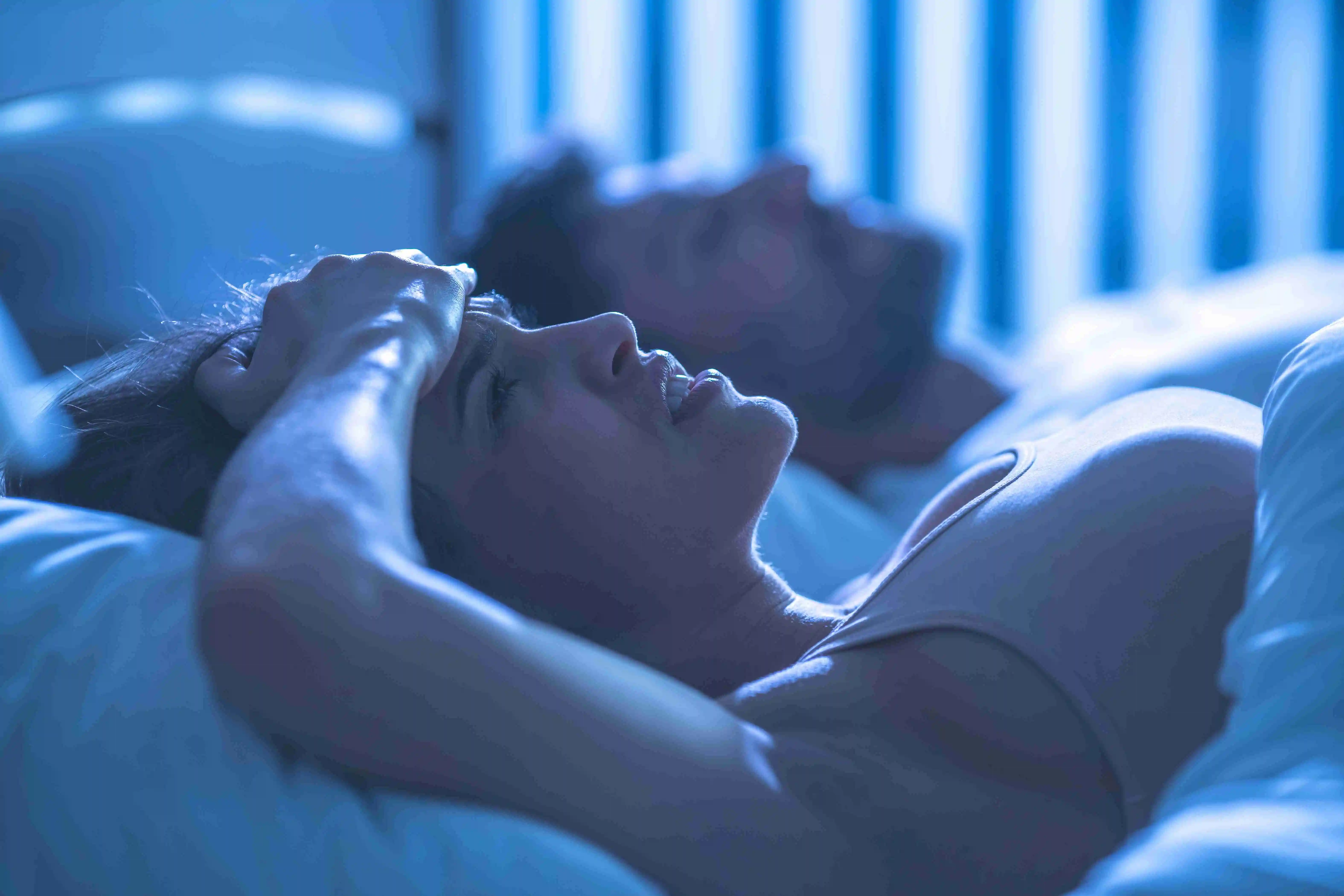


Maladaptive daydreaming is a proposed research term for persistent, immersive or compulsive fantasy that causes distress or interferes with daily life. The fantasies may be vivid and absorbing, but the concern is their effect on the person's life, not imagination itself.
It is not currently a standalone diagnosis in the DSM-5-TR or ICD-11. Researchers have proposed criteria and argued for formal recognition, but there is no universally accepted clinical test or treatment guideline 12. That uncertainty should not be used to dismiss someone who is losing sleep, missing school or work, neglecting basic needs, or struggling to stop.
What does maladaptive daydreaming look like?
People studied under this label commonly describe elaborate stories, recurring characters or worlds, and strong emotional involvement. Some report a powerful urge to return to the fantasy, frustration when interrupted, or repeated unsuccessful attempts to cut back.
Music, books, films, games, privacy, stress, boredom, and particular places may act as cues for some people. Pacing, rocking, facial expressions, mouthing dialogue, or other repeated movements are also commonly reported. These are patterns found in studies and interviews, not symptoms that everyone must have 2.
The fantasy may feel rewarding, comforting or emotionally intense while it is happening. Distress can follow when the episode consumes time, conflicts with responsibilities, or feels difficult to control. Researchers have proposed several possible functions, including emotion regulation and relief from stress, but no single motive or mechanism has been established for everyone 2.
People describing maladaptive daydreaming usually know that the imagined people and events are not real. They may be deeply absorbed and temporarily less responsive to their surroundings while still understanding the boundary between fantasy and reality 1. Difficulty telling what is real, fixed false beliefs, hallucinations, or severely disorganized thinking points to a different and more urgent assessment 3.
Vivid fantasy is not automatically a disorder
Ordinary daydreaming, creative imagination and immersive fantasy can be enjoyable or useful. A long or detailed fantasy is not pathological simply because another person finds it unusual.
Three distinctions help:
- Mind wandering often involves attention drifting among loosely connected thoughts while someone is trying to do something else.
- Immersive daydreaming involves sustained absorption in a vivid or narrative fantasy. It can be an enjoyable activity without causing harm.
- Maladaptive daydreaming is the proposed label when the pattern becomes persistent or compulsive and causes meaningful distress or impairment.
Clinical interview research supports distinguishing immersive narrative fantasy from the looser, shifting thoughts typical of mind wandering, while recognizing that immersion itself is not necessarily harmful 4. There is no accepted number of minutes or hours that separates these experiences. Context matters. A person may spend substantial free time writing, imagining or role-playing without impairment, while a shorter but uncontrollable episode can be disruptive if it repeatedly causes missed meals, unsafe inattention, failed tasks or severe distress.
Useful questions are:
- Can you choose when to begin and stop?
- Are you giving up sleep, meals, hygiene, movement, relationships, school or work?
- Do you hide the behavior because of shame or because privacy is necessary to continue it?
- Are the fantasies welcome, unwanted or a mixture of both?
- What happens emotionally before, during and after an episode?
- Is this a stable pattern, or did it begin or change with sleep loss, a mood episode, trauma symptoms, medicine use, substance use or a neurological event?
Can a questionnaire diagnose it?
No questionnaire can currently give a formal clinical diagnosis of maladaptive daydreaming.
The original Maladaptive Daydreaming Scale was a 14-item research measure developed in 447 English-speaking participants from 45 countries. It assessed yearning, impairment and movement associated with fantasy. The widely used MDS-16 added two items and has been translated and studied in several populations 5.
These scales can help researchers and clinicians ask consistent questions, but an online score is not a diagnosis. Early validation relied heavily on internet recruitment and people who already identified with the label. Proposed cutoffs have varied across languages and samples. Scores can also be difficult to interpret when another condition produces inattention, repetitive thought or functional impairment 54.
A 2025 study used clinical interviews with 156 adults divided among ADHD, maladaptive daydreaming, both and control groups. The MDS-16 alone misclassified some people when ADHD was present, and some participants judged to have both patterns fell below the proposed MDS-16 threshold 4. A score should therefore start a conversation, not end the assessment.
A licensed clinician may ask about the fantasy itself, degree of control, triggers, onset, distress, impairment, reality testing, sleep, mood, attention, repetitive thoughts, dissociation, trauma history, substances, medicines and physical or neurological symptoms. The goal is not merely to approve or reject a label. It is to understand what is happening and identify problems that already have established diagnostic and treatment pathways.
What else can resemble or accompany it?
Studies find associations between higher maladaptive-daydreaming scores and depression, anxiety, dissociation, obsessive-compulsive symptoms, ADHD, autistic traits, psychotic symptoms and traumatic experiences. Most of this evidence comes from cross-sectional questionnaires, often in self-selected online samples. It shows co-occurrence, not that daydreaming caused another condition or that trauma caused the daydreaming 6.
A careful assessment may consider:
- ADHD. Both patterns can involve unfinished tasks and apparent distraction. ADHD is a developmental pattern of inattention and/or hyperactivity and impulsivity across settings. The proposed maladaptive-daydreaming pattern centers on absorption in elaborate fantasy. They can occur together, so identifying one does not rule out the other 4.
- OCD. Obsessions are recurrent, intrusive and unwanted thoughts, urges or images, and compulsions are repetitive acts usually performed in response. Immersive fantasy is often rewarding in the moment even when the urge to continue feels compulsive. The two can coexist, and content alone does not diagnose either condition 7.
- Dissociation and trauma-related symptoms. Absorption, depersonalization, derealization, flashbacks and avoidance can overlap in how they are described. A trauma history is neither required nor proof of cause. Assessment should distinguish an intentionally developed fantasy from involuntary reliving, memory gaps or a sense that the self or surroundings are unreal.
- Depression and anxiety. Withdrawal, low energy, worry, shame, rumination and loss of interest can change both fantasy use and daily functioning. These symptoms need their own assessment rather than being assumed to be consequences of daydreaming.
- Autism. Repetitive movement, intense interests and immersive imagination may overlap superficially. Developmental history, communication, sensory patterns and the function of the behavior matter. An autism diagnosis does not make every vivid fantasy maladaptive.
- Bipolar disorder. Racing ideas, unusually high energy, marked irritability or elation, risky behavior and a decreased need for sleep suggest mania or hypomania rather than ordinary absorption 8.
- Psychosis. Knowing that a fantasy is imagined generally separates the reported maladaptive-daydreaming experience from loss of reality testing. The two are not mutually exclusive, so new hallucinations, delusions, severe confusion or inability to distinguish fantasy from reality need prompt assessment 3.
- Substances, medicines and medical conditions. Stimulants, cannabis, hallucinogens, sedatives, medicine changes, sleep deprivation and some medical or neurological conditions can change attention, imagery, perception, sleep or behavior. Timing and physical symptoms can be important clues.
Episodes with lost awareness, collapse, uncontrolled jerking, unexplained injury, a prolonged blank stare, new confusion or a dream-like state that the person did not intentionally enter should not be self-labeled as daydreaming. Focal seizures can sometimes involve impaired awareness, unusual emotions or automatic movements and require medical assessment 9.
What is known about sleep?
An extended fantasy can delay bedtime or take time that was available for sleep. It can also become part of lying awake in bed. Those are plausible ways for the behavior and sleep to interact, but current research does not show that maladaptive daydreaming independently prevents deep sleep, keeps the brain partly awake after sleep begins, or causes a circadian rhythm disorder.
The most direct study followed 126 self-identified adult maladaptive daydreamers for up to eight days using daily self-report measures. People with more sleep disturbance also tended to report more maladaptive daydreaming when participants were compared with one another. Within the same person, however, a day with more maladaptive daydreaming did not predict worse sleep that night, and a worse night did not predict more maladaptive daydreaming the next day 10.
This study cannot settle the question. It was short, relied on self-report, recruited adults who had already identified with the label, and measured perceived sleep disturbance rather than sleep stages. It does show why a simple cycle claim is too strong.
Separate three practical possibilities:
- Insufficient sleep opportunity: fantasy, work, screens or another activity pushes bedtime later, leaving too little time for sleep.
- Insomnia: sleep remains difficult despite adequate time and conditions, and the problem causes distress or daytime impairment.
- Delayed timing: sleep is easier and more complete on a later schedule but conflicts with required early waking.
A diary of attempted sleep time, estimated sleep, wake time, fantasy episodes, cues and daytime function can help show which pattern fits. Persistent insomnia deserves its own evaluation. Cognitive behavioral therapy for insomnia, or CBT-I, is strongly recommended for chronic insomnia in adults, but that evidence does not show that CBT-I treats maladaptive daydreaming 11.
What does treatment research show?
There is no established treatment guideline and no medication approved specifically for maladaptive daydreaming 2.
The strongest intervention evidence is one randomized study of an eight-session, self-guided web program. It compared a program containing psychoeducation, motivation work, mindfulness and self-monitoring with a version that omitted self-monitoring and with a waiting-list group using internet support as usual. The two intervention groups reported improvements in daydreaming symptoms, frequency and functioning, and gains were maintained at six months 12.
The result is encouraging but not a treatment guarantee. Of 557 people randomized, 353 completed the program. Outcomes were self-reported, participants knew which program they received, the control was not an equally intensive therapy, and the sample was mostly female. Replication by other teams, clinician-assessed outcomes and comparisons with established therapies are still needed.
A 2025 scoping review found that other psychological treatment reports were mainly individual cases using varied cognitive-behavioral or mindfulness-based approaches. Medication evidence consisted of case reports and a self-report survey, not controlled medication trials 2. This is not enough to promise that CBT, MBCT, grounding, exercise, an app, audio or a particular medicine will reduce daydreaming.
A clinician can still provide useful care. Treatment can target the person's functional goals and any established condition found during assessment. ADHD, OCD, depression, anxiety, PTSD, bipolar disorder, psychosis, insomnia and substance-related problems each require an evidence-based plan suited to that condition. Do not start, stop or change a psychiatric or sleep medicine solely to test its effect on daydreaming.
If trauma may be relevant, care should emphasize physical and emotional safety, trust, collaboration, choice and avoiding retraumatization. Trauma-informed care does not require assuming trauma caused the fantasy or forcing someone to disclose details before they are ready 13.
A low-friction way to respond
The aim is not to eliminate imagination. It is to understand the pattern and protect the parts of life that are being displaced.
- Record episodes and consequences. For several days, note the start and stop time, cue, place, movement, emotion before and after, what was postponed, and whether stopping felt voluntary. Keep the record private unless you choose to share it.
- Protect essentials first. Set clear boundaries around sleep opportunity, meals, prescribed medicines, personal care, caregiving, school, work and safety-sensitive tasks.
- Identify the cue and context. Music, pacing, privacy or a specific room may be part of the sequence, but do not assume the same trigger applies every time.
- Try a planned pause or competing task. At a chosen checkpoint, pause the cue and switch briefly to an activity that requires contact with the outside environment, such as speaking with someone, washing dishes or completing one concrete work step. Treat this as an observation, not a proven therapy.
- Change one variable. For example, test the same task without music or move it out of the usual daydreaming space. Changing everything at once makes it hard to learn what mattered.
- Bring the pattern to a clinician. If the term is unfamiliar or disputed, describe the observable problem: "I lose hours in elaborate fantasy, cannot stop when I intend to, and miss sleep and assignments." That gives the clinician something concrete to assess.
Children, privacy, and online communities
Elaborate fantasy and imaginary play can be normal in childhood and adolescence. A child should not be labeled from vivid stories, talking to imaginary characters, pacing or an online questionnaire alone. Look at developmental context, distress, control, safety, school participation, sleep, eating, friendships and family functioning.
Research in children and adolescents is limited. The 2025 scoping review found that most studies used adults, students or self-identified online participants and that only a small part of the literature used age-restricted adolescent samples 2. A child or adolescent with impairment should be assessed by a qualified pediatric or youth mental-health professional, with caregiver and school information used when appropriate and the young person's privacy respected.
Do not punish or shame fantasy, demand disclosure of every storyline, or treat creativity as dishonesty. Ask about function and safety. Disclosures of abuse, exploitation, self-harm or danger require an appropriate safeguarding response.
Online communities can give people language, validation and peer contact. They can also encourage self-diagnosis, expose private details, repeat untested treatment claims or make one community description feel universal. Much of the research itself recruited from these communities, which may overrepresent people who strongly identify with the term 2. Use peer experience as context, not as a diagnostic verdict, and avoid posting identifiable fantasy, trauma or health information publicly.
When to seek professional or urgent help
Arrange a licensed mental-health assessment when daydreaming repeatedly disrupts sleep, meals, hygiene, relationships, school, work or caregiving; causes marked shame or distress; feels impossible to control; or is difficult to distinguish from another symptom. A 2024 large U.S. survey found that people who screened positive reported more psychological distress, loneliness, psychotic experiences, heavy drinking and suicidality. The design cannot show that daydreaming caused these outcomes, but it supports asking directly about safety and co-occurring problems 14.
Seek urgent local help if there is:
- intent or a plan to harm oneself or someone else
- inability to eat, drink, take essential medicine or maintain basic safety, or prolonged inability to sleep with a rapidly worsening mental state
- loss of contact with reality, dangerous commands, severe paranoia or rapidly worsening confusion
- a sharp drop in sleep need with extreme energy, agitation, fast speech, racing thoughts, grandiosity or risky behavior, which may be mania 8
- suspected overdose, inability to wake, slow or irregular breathing, blue or gray lips, a seizure or dangerous agitation 15
- a first seizure or prolonged loss of awareness 9
- sudden one-sided weakness, trouble speaking, severe unexplained headache or another possible stroke sign 16
If immediate safety is at risk, contact emergency services and stay with the person when it is safe to do so. The fact that maladaptive daydreaming is not a formal diagnosis does not make severe distress, impairment or danger less real.