
Paroxysmal nocturnal dyspnea, or PND, describes an episode of breathlessness that wakes a person after they have been asleep. Sitting or standing usually makes breathing easier. The phrase names a symptom pattern, not its cause.
PND is classically associated with heart failure, but it does not prove that heart failure is present. Nighttime asthma, chronic obstructive pulmonary disease (COPD), sleep apnea, reflux-related laryngeal spasm, panic, and other heart or lung problems can feel similar. More than one condition can also occur in the same person.
If you are currently gasping, choking, unable to speak normally, have a tight or heavy chest, pain spreading to the arm, back, neck, or jaw, blue or gray lips or skin, sudden confusion, or collapse, call emergency services now. Do not drive yourself 1.
What the term PND describes
The three words describe the pattern:
- Paroxysmal means the symptom comes in a sudden episode.
- Nocturnal means it happens during the night.
- Dyspnea means an uncomfortable awareness of difficult or insufficient breathing.
A typical history is: "I fell asleep, then woke later feeling unable to get enough air. I had to sit or stand, and breathing gradually eased." Cough, wheeze, sweating, a fast heartbeat, or fear may accompany the episode, but none is required.
Relief while upright is an important clue, not proof that fluid was in the lungs. The episode's timing, duration, accompanying symptoms, health history, medicines, and examination determine what it may mean.
PND compared with orthopnea
Orthopnea is breathlessness that starts or worsens when a person lies flat and improves upright. It may happen soon after lying down, even before sleep.
PND wakes a person after sleep has begun. Someone can have either pattern or both. Asking how soon symptoms start, whether they recur after returning to bed, and whether daytime breathlessness or swelling is also present is more useful than counting pillows 2.
Why clinicians take heart failure seriously
Heart failure can raise pressure behind the left side of the heart and contribute to lung congestion. Lying down also redistributes blood and fluid from the lower body toward the chest. In a susceptible person, these changes may contribute to breathlessness after sleep begins 2.
PND is useful evidence, but not a diagnosis. A systematic review of adults who came to emergency departments with breathlessness found that reported PND made heart failure more likely, with a positive likelihood ratio of 2.6. That is a meaningful clue, but far below the level needed to confirm heart failure by itself 3.
Heart failure is more concerning when the episodes occur with new or worsening:
- shortness of breath with ordinary activity or at rest
- difficulty lying flat
- ankle, leg, abdominal, hand, or facial swelling
- rapid weight gain that may reflect retained fluid
- reduced exercise tolerance, unusual fatigue, or weakness
- palpitations, faintness, chest pressure, or a known heart condition
Other cardiac causes can include a valve disorder, an abnormal heart rhythm, reduced blood flow to the heart, cardiomyopathy, or pericardial disease. Kidney disease and other causes of fluid overload can produce a similar combination of breathlessness and swelling. Symptoms alone cannot identify which one is responsible.
Other episodes that can look similar
The distinctions below help organize a clinical history. They should not be used to diagnose an episode at home.
Obstructive sleep apnea
OSA causes repeated upper-airway narrowing or closure during sleep. A person may wake choking or gasping, while a bed partner may notice loud snoring or breathing pauses. Morning headache, dry mouth, unrefreshing sleep, and daytime sleepiness can add context.
PND is a description of a sustained breathless awakening that improves upright. OSA often produces repeated shorter arousals across the night, but the experiences can overlap and OSA can coexist with heart failure. A sleep history cannot confirm OSA. Diagnosis requires polysomnography or an appropriate medically ordered home sleep apnea test 4.
Central sleep apnea
Central sleep apnea involves reduced or absent breathing effort during sleep. It can occur with heart failure, opioid use, high altitude, or another medical condition, and central events may emerge during treatment for OSA. A witness may describe pauses without obvious struggle, or the person may only report fragmented sleep or breathless awakenings.
The pattern and cause require sleep testing and clinical interpretation. Central sleep apnea, hypoventilation, and obstructive sleep apnea are not interchangeable diagnoses, and they may require different treatments 5.
Nocturnal asthma or COPD
Asthma can cause episodes of wheeze, cough, chest tightness, and shortness of breath that are worse at night or early in the morning. Symptoms may also vary with infection, allergens, exercise, cold air, or irritants 6.
COPD more often causes persistent or gradually progressive breathlessness, cough, sputum, and activity limitation, with periods of sudden worsening. Smoking and exposure history matter, but symptoms alone do not establish COPD. Spirometry is the main diagnostic test when COPD is suspected 7.
Wheeze does not settle the question. It can occur in airway disease and with lung congestion, so a clinician considers the complete pattern and examination.
Reflux and sleep-related laryngospasm
Reflux can sometimes trigger a brief spasm at the larynx, causing an abrupt choking sensation, difficulty drawing air in, and a harsh high-pitched sound. Throat burning, sour fluid, cough, hoarseness, or symptoms after a late meal may support a reflux or laryngeal explanation.
Evidence for sleep-related laryngospasm is limited and largely based on small case series. In one early series, attacks resolved within minutes and appeared related to gastroesophageal reflux in some patients 8. A choking episode should not be labeled reflux merely because it happened after eating.
Nocturnal panic
A nocturnal panic attack means waking from sleep already in a panic state. Racing heart, sweating, shaking, chest discomfort, fear of dying, tingling, nausea, or a sense of unreality may accompany breathlessness. Panic can follow any frightening breathing episode, so fear does not prove that panic caused it 9.
Clinicians consider panic after urgent heart, lung, medication, and sleep-related explanations have been assessed. Upright relief alone does not distinguish panic from PND, and a prior anxiety diagnosis should not be used to dismiss a new breathing pattern.
Nightmares
A nightmare usually leaves a remembered frightening dream and emotional distress after awakening. Breathing and heart rate may be temporarily fast, then settle as the person becomes fully alert. A person who remains breathless, cannot speak normally, has chest symptoms, or repeatedly needs to sit upright still needs medical assessment, even if a dream occurred.
What to do during an episode
Sit upright or stand if you can do so safely. This may ease breathing while you decide what help is needed, but pillows, a recliner, or an adjustable bed do not treat the cause.
Use a prescribed rescue inhaler or another treatment only according to your existing action plan. If symptoms are severe, worsening, or accompanied by emergency warning signs, call emergency services rather than waiting for a device or medicine to work.
Do not:
- take extra diuretic or another prescription medicine unless your clinician has given you a specific action plan
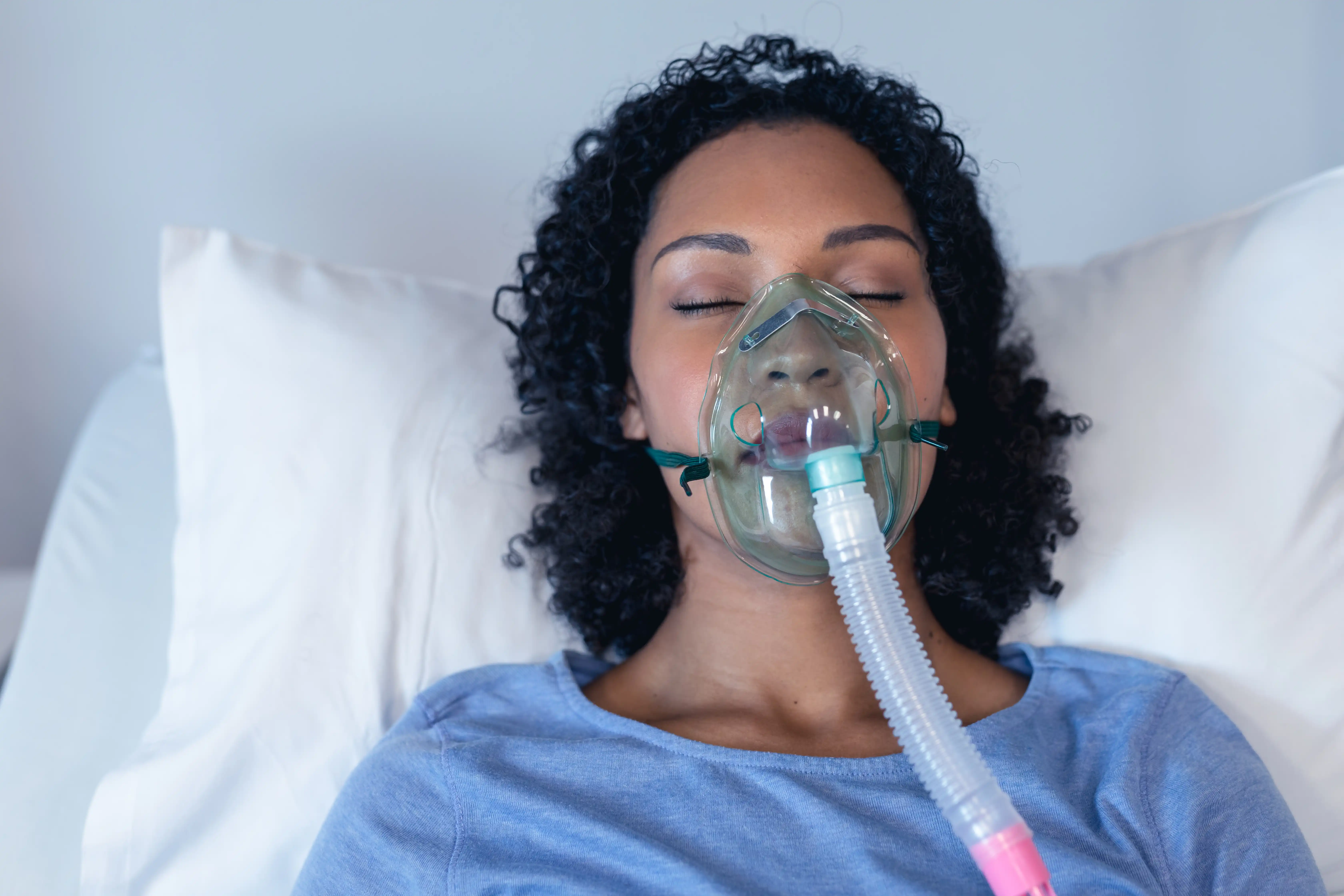
- use another person's oxygen, inhaler, CPAP, bilevel device, or mask
- change oxygen flow, PAP pressure, or PAP mode on your own
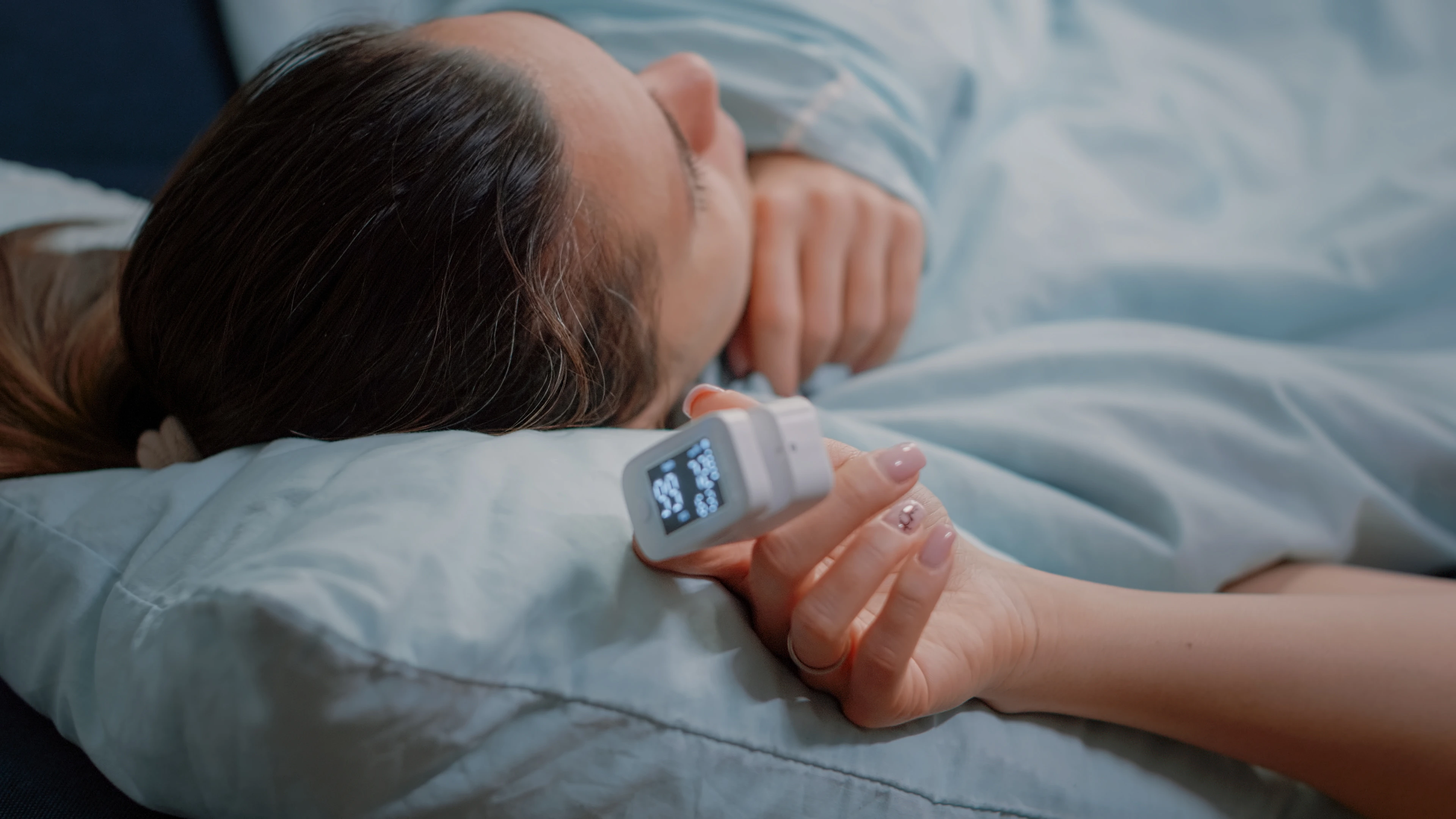
- lie back down and ignore persistent symptoms because a pulse oximeter displays a familiar number
Pulse oximeters estimate oxygen saturation but can be inaccurate because of circulation, skin pigmentation, temperature, movement, nail products, and other factors. The FDA advises following symptoms as well as the number and not relying on the device alone 10. Home oxygen should be used only when prescribed, at the prescribed setting 11. Heart medicines, including diuretics, also should not be stopped or changed without professional guidance 12.
When to seek care
Get emergency help now
Call emergency services for:
- severe breathing difficulty, gasping, choking, or inability to speak normally
- a tight or heavy chest, or pain spreading to an arm, the back, neck, or jaw
- blue, gray, or markedly pale lips or skin
- sudden confusion, fainting, or collapse
- a rapidly worsening episode or a sense that you cannot keep breathing
A pulse oximeter reading should not delay this response 110.
Arrange prompt assessment
A new episode that fits PND, repeated nighttime breathlessness, or a clear change from your usual pattern deserves prompt clinical assessment even if it resolves. Contact a clinician sooner if you also have swelling, rapid weight change, fever, a new cough, wheeze, reduced activity tolerance, palpitations, a known heart or lung disorder, or a recent medicine change.
During pregnancy and for one year after delivery, trouble breathing, difficulty breathing flat, chest pain, a fast heartbeat, fainting, or marked swelling are urgent maternal warning signs. Seek immediate medical care and state that you are pregnant or recently gave birth 13.
How the cause is evaluated
Evaluation starts with the episode, not a preset panel of tests. The clinician may ask:
- How long after falling asleep did it begin?
- Did sitting up help, and how quickly?
- Was there wheeze, stridor, cough, sputum, chest pain, palpitations, swelling, reflux, dream recall, or panic?
- Does breathlessness occur while awake, with activity, or as soon as you lie flat?
- Has anyone noticed snoring, breathing pauses, or repeated gasping?
- Are pregnancy, recent delivery, infection, surgery, travel, immobility, clot risk, smoking, or workplace exposures relevant?
- Which prescription medicines, over-the-counter products, supplements, alcohol, or other substances are used?
The examination may include breathing rate and effort, oxygen level, blood pressure, pulse, heart and lung sounds, neck veins, and swelling. A normal examination after the episode does not automatically explain what happened.
Tests follow the clues
When heart failure is plausible, an electrocardiogram, chest imaging, blood tests, and echocardiography may be appropriate. BNP or NT-proBNP can help support or make heart failure less likely in a person with breathlessness, but age, kidney function, heart rhythm, body size, and other illnesses affect the result. Echocardiography evaluates pumping function, chamber structure, valves, and other cardiac findings. Neither test should be ordered or interpreted as a stand-alone answer 214.
Wheeze, cough, exposure history, or persistent daytime symptoms may lead to spirometry or other pulmonary testing. Snoring, witnessed pauses, unexplained sleepiness, suspected central events, or repeated gasping may lead to a sleep study. Chest symptoms, clot risk, fever, anemia clues, or kidney disease can point to different targeted tests.
Not everyone needs every test, and a normal home oxygen reading does not replace a cause-led assessment.
Treatment depends on the diagnosis
There is no single treatment for PND because PND is not a disease. Heart failure care may involve condition-specific medicines, diuretics, and sometimes devices or procedures. Asthma or COPD requires an airway-focused plan. Sleep apnea may require PAP or another disorder-specific treatment. Reflux, laryngeal problems, panic disorder, anemia, kidney disease, infection, a blood clot, or another cause follows a different path.
Temporary upright positioning may make an episode easier to tolerate. It does not show which treatment is needed, prevent recurrence, or make delayed medical evaluation safe.
The takeaway
PND means waking from sleep with breathlessness that improves upright. It is an important symptom pattern, especially when heart failure or fluid congestion is possible, but it cannot diagnose the cause.
Treat severe current breathing or chest symptoms as an emergency. For a new or recurring episode that resolves, arrange prompt assessment and describe the timing, positional response, accompanying symptoms, and relevant health changes. That history helps a clinician choose cardiac, pulmonary, sleep, or other testing without assuming that every nighttime gasp has the same explanation.