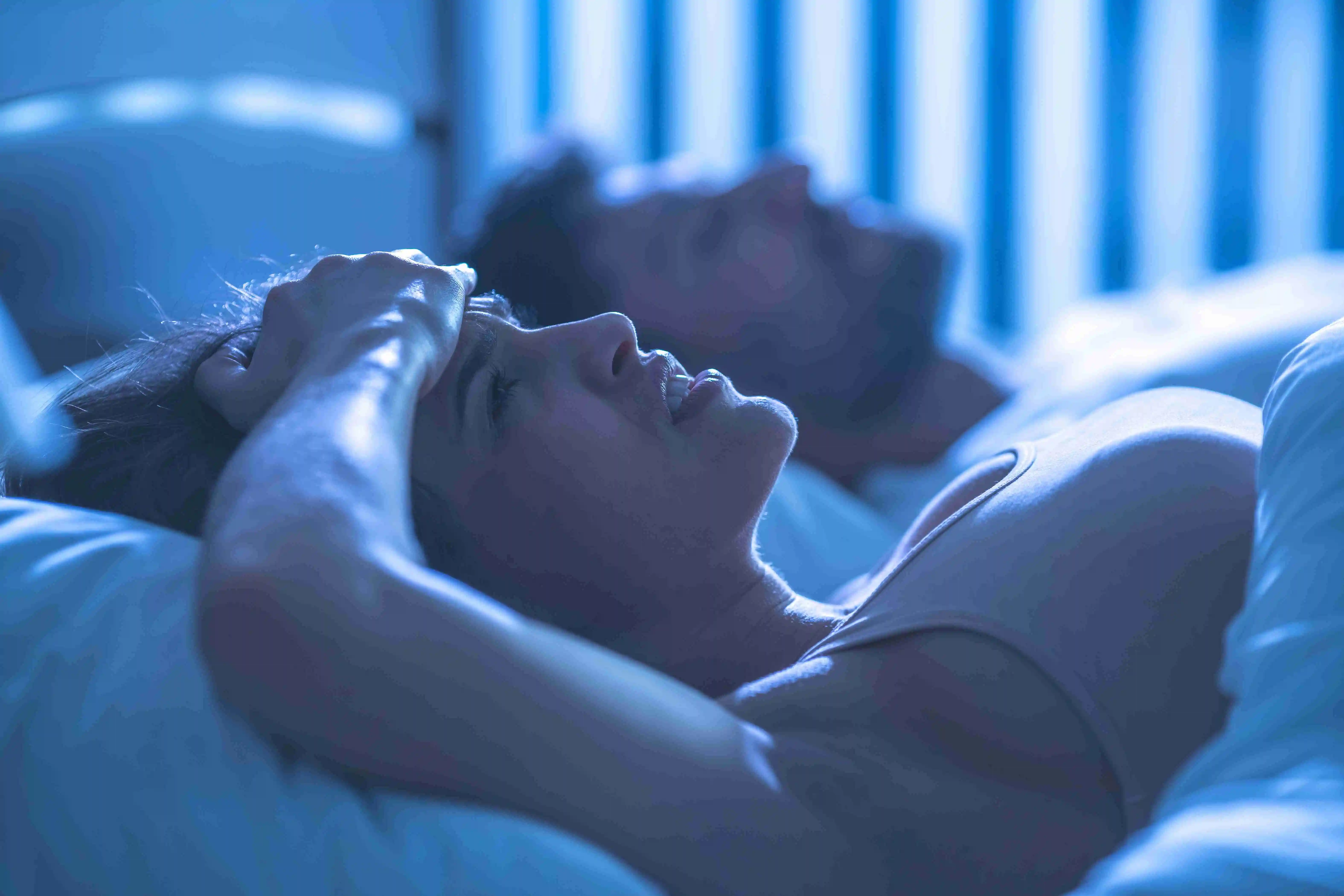

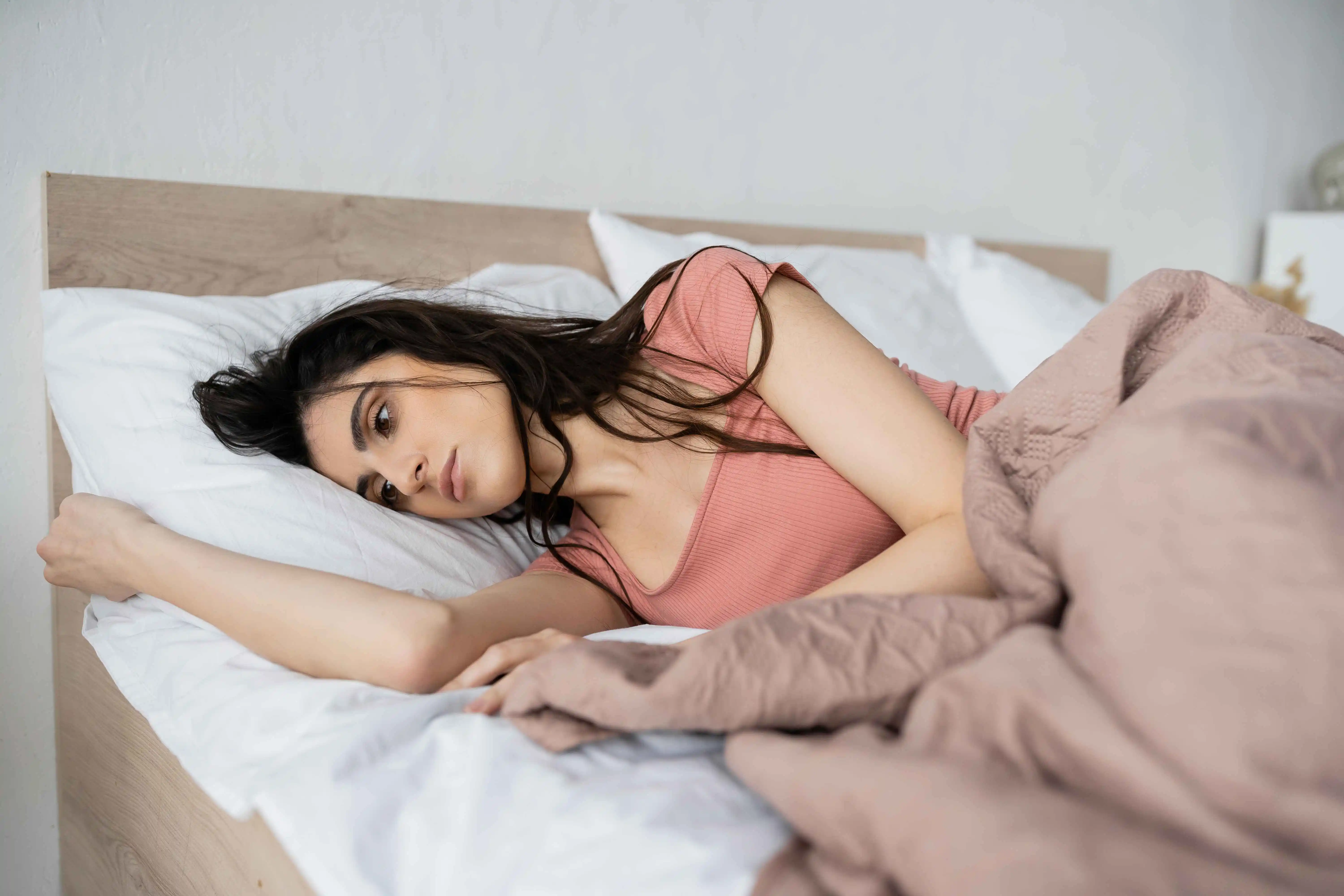
Depression and sleep can affect each other, but the relationship is not a simple cause-and-effect loop. Depression may make it hard to fall asleep, cause repeated or early-morning waking, or lead to sleeping much longer than usual. Persistent sleep and body-clock problems are also associated with a higher risk of developing depression later. A sleep problem does not prove that someone has depression, and depression should not be assumed to explain every sleep symptom.
A depression diagnosis depends on a broader pattern that includes depressed mood or loss of interest, other symptoms, how long they have lasted, and how much they interfere with daily life. Sleep change is one possible symptom, not a diagnosis by itself 1 2.
The relationship can run in both directions
Research supports a two-way relationship, but it also shows why precise language matters. A systematic review of nine independent studies found evidence of bidirectionality in some, but not all, cohorts. The studies used different populations and measures, and many did not fully account for other factors that can affect sleep and mood 3.
A later meta-analysis of longitudinal studies found that insomnia, hypersomnia, sleep apnea, restless legs syndrome, unusually short or long sleep, and evening chronotype were each associated with later depression. These studies followed people over time, which strengthens the evidence that sleep problems can precede depression. They still cannot show that the sleep problem was the sole cause 4.
The practical conclusion is not that every bad night threatens mental health. It is that a persistent sleep problem deserves attention, especially when mood, interest, concentration, appetite, or daily functioning have also changed.
How depression can change sleep
Insomnia and early waking
Depression-related insomnia can appear in several ways:
- taking much longer than usual to fall asleep
- waking repeatedly and struggling to return to sleep
- waking earlier than intended
- spending enough time in bed but feeling that sleep was light or unrefreshing
Worry, rumination, reduced daytime activity, and irregular sleep timing can keep the problem going. Chronic insomnia can also become a condition in its own right, even when low mood first appeared before it.
Sleeping more, sleepiness, and fatigue
Some people with depression sleep longer or find it unusually difficult to get out of bed. Three experiences that sound similar are worth separating:
-
Long sleep means spending more hours asleep than usual.
-
Daytime sleepiness means struggling to stay awake or dozing unintentionally.
-
Fatigue means low physical or mental energy without necessarily being able to fall asleep.
Depression can involve any of these, but persistent daytime sleepiness also raises questions about insufficient sleep, medication effects, sleep apnea, a circadian disorder, narcolepsy, or another medical problem. Spending most of the day in bed may also include long periods awake, so time in bed alone does not reveal how much someone slept.
Sleep timing, continuity, and architecture
Depression is sometimes accompanied by a later or less regular sleep-wake pattern. Other people keep roughly the same timing but have more broken sleep. These patterns may overlap, but they are not interchangeable.
Laboratory studies also report average differences in sleep architecture between groups with and without depression. A 2024 meta-analysis found longer sleep onset, more wakefulness after sleep onset, and less total sleep in adults with depression. Some rapid eye movement (REM) differences disappeared when lower-quality studies were removed 5.
This is useful for understanding depression at a group level, not for diagnosing an individual. There is no REM pattern or consumer sleep tracker score that confirms depression. A sleep study may be appropriate when a separate sleep disorder is suspected, but it is not a routine test for depression.
Do not assume every sleep problem is depression
Several conditions can resemble or add to depression-related sleep symptoms.
Sleep apnea
Loud habitual snoring, witnessed pauses in breathing, gasping during sleep, morning headaches, and marked daytime sleepiness point toward possible sleep apnea. Insomnia and fatigue can also occur. A clinician may recommend a sleep study because symptoms alone cannot confirm the diagnosis 6.
Restless legs syndrome
Restless legs syndrome usually causes an urge to move the legs with uncomfortable sensations that begin or worsen during rest, improve temporarily with movement, and are worse in the evening or at night. Low iron, pregnancy, kidney disease, other sleep disorders, and some medicines can contribute or worsen symptoms 7.
Circadian timing
A delayed body clock can make sleep difficult at a socially expected bedtime while allowing more normal sleep on a later schedule. Shift work, frequent schedule changes, and inconsistent light exposure can create a similar mismatch. This differs from lying awake regardless of when sleep is attempted, although circadian delay and insomnia can occur together.
Medicines, substances, and medical conditions
Prescription and nonprescription medicines, caffeine, nicotine, alcohol, cannabis, pain, menopause, pregnancy, thyroid problems, and other illnesses can affect sleep, energy, or mood. A useful assessment reviews these possibilities instead of treating the first symptom as proof of depression. A clinician may use the history, physical examination, and selected tests to look for another explanation 8 1.
What a useful assessment looks like
If sleep and mood have both changed, write down the pattern for one to two weeks if you can. Record:
- bedtime, estimated sleep time, wake time, and awakenings
- naps and episodes of unintended sleep
- caffeine, alcohol, cannabis, and other substance use
- medication or dose changes
- mood, interest, energy, and ability to function
- snoring, gasping, leg discomfort, or unusual nighttime behavior
A sleep diary can make timing and triggers easier to see, although it cannot diagnose the cause 8.
A clinician should also ask about the duration and severity of low mood or loss of interest, previous episodes, recent stressors, physical illness, medicines, alcohol or drug use, and any past periods of unusually elevated or irritable mood. Screening questionnaires may help organize symptoms, but the result should be interpreted within that wider assessment 1.
Treating depression and the sleep problem together
Depression treatment may involve psychotherapy, medication, or both, chosen according to symptom severity, medical history, previous response, personal preferences, and safety needs. When a distinct sleep disorder is present, it also needs its own treatment plan. It is risky to assume that treating mood will automatically resolve apnea, restless legs syndrome, circadian delay, or chronic insomnia.
CBT-I for persistent insomnia
Cognitive behavioral therapy for insomnia, or CBT-I, is a structured treatment that changes the behaviors and thought patterns that maintain insomnia. It commonly combines stimulus control, careful adjustment of time in bed, cognitive techniques, relaxation, and sleep education. The American Academy of Sleep Medicine strongly recommends multicomponent CBT-I for adults with chronic insomnia and advises against using sleep hygiene as the only treatment 9.
For people who have major depression and insomnia, a 2024 meta-analysis of 19 randomized trials found that adding CBT-I improved insomnia remission and depression response compared with control conditions. Confidence in those two outcomes was moderate, and dropout may have been higher. CBT-I can therefore be a useful part of combined care, but it is not a substitute for assessing and treating depression 10.
Antidepressants can be activating or sedating
Sleep may improve as depression responds to treatment, but antidepressants can also cause insomnia or sleepiness. A network meta-analysis of 216 short-term trials found that these effects varied by drug and dose, and the certainty of individual comparisons ranged from very low to moderate 11.
This evidence is not a reason to rank medicines without considering the whole clinical picture. Tell the prescriber whether sleep worsened after starting a medicine or changing its dose. Do not change the dose, move the dosing time, or stop an antidepressant on your own. Withdrawal and relapse risks need a planned discussion 1.
Contact the prescriber promptly if a medication change is followed by marked agitation, rapidly worsening mood, new suicidal thoughts, or a sharp change in sleep. These symptoms need review rather than a wait-and-see approach.
Daily steps that can support treatment
These measures can reduce avoidable sleep disruption. They are supports, not stand-alone treatments for major depression or a diagnosed sleep disorder.
Keep wake time and light exposure steady
A regular wake time and a repeatable daily pattern of light and activity give the body clock more consistent timing cues. If your schedule has shifted late, make changes gradually rather than forcing a large bedtime change at once. A systematic review found the clearest link between circadian realignment and improved mood in people who began with delayed timing and depressive symptoms. Only 23 of 58 included studies tested whether changes in timing tracked changes in mood, so a schedule change should not be presented as a proven depression treatment 12.
Bright-light therapy is more specific than simply going outdoors. The 2022 VA/DoD depression guideline gives it only a weak recommendation for mild to moderate major depression, reflecting limited confidence in the evidence 13. Timing and individual history matter, so discuss a light box with a clinician, particularly if you have a history of bipolar disorder or periods of unusually high energy and reduced need for sleep.
Use exercise as an adjunct
Regular movement may support mood and sleep. The VA/DoD guideline suggests exercise as an adjunct to established depression care, but rates the recommendation as weak because the trials had important limitations. It does not establish one best exercise type or dose 13. Choose an activity that is realistic for your health and current energy rather than treating exercise as a test of willpower.
Handle naps according to the problem
A nap is not automatically harmful. It may be useful when someone is acutely sleep deprived or cannot stay alert. If nighttime insomnia is the main problem, long or late naps can reduce sleep pressure and make it harder to fall asleep. In that case, keep naps brief and earlier, or avoid them if your CBT-I plan calls for that 14.
Severe sleepiness is different from an optional nap. If you are fighting sleep while driving or doing safety-sensitive work, stop the activity and get to a safe place. Persistent unintended sleep needs medical assessment, even if depression is already diagnosed 15.
Look honestly at caffeine, alcohol, and cannabis
Caffeine can delay sleep, especially when used later in the day or by someone who is sensitive to it. Alcohol may make sleep onset feel easier but can produce lighter, more interrupted sleep. Try changing one factor at a time so that the effect is easier to judge 14.
Cannabis is not a predictable insomnia treatment. An NIH workshop summary noted that it may help some people fall asleep, while chronic use and tolerance can be followed by poor sleep quality, unusual dreams, and rebound insomnia that encourages further use. The evidence remains incomplete 16. If use is frequent, include it in the discussion with the clinician because changes in use can also change sleep.
When to seek help
Arrange an assessment if low mood or loss of interest persists, sleep changes last for weeks, or either problem is affecting work, study, relationships, or basic self-care. Seek help sooner when symptoms are severe. Sleep complaints deserve their own review when there is loud snoring or gasping, restless legs symptoms, repeated unintended sleep, or no improvement as depression begins to respond.
A reduced need for sleep is different from insomnia. Someone with insomnia feels tired but cannot sleep. Someone entering mania or hypomania may sleep very little yet feel unusually energized, wired, talkative, confident, irritable, or impulsive. That pattern needs prompt mental-health assessment, especially after starting or changing an antidepressant 17.
Ask directly for help if thoughts of death, suicide, or self-harm appear. If you think you may act on those thoughts, cannot stay safe, or are in immediate danger, seek emergency help now or go to the nearest emergency department. Ask a trusted person to stay with you while help is arranged. Current depression guidance recommends direct assessment of suicidal thoughts and urgent specialist care when there is considerable immediate risk 1.
The bottom line
Depression may disrupt sleep, and persistent sleep problems may increase vulnerability to depression. Neither one explains every case of the other. The most useful approach is to identify the exact sleep pattern, check for competing causes, and treat depression and any sleep disorder side by side.