

You do not need a mattress protector for every bed. It is an optional layer, not a medical requirement and not a guarantee that a mattress will last longer. It can still be a practical purchase when the mattress is likely to encounter spills, sweat, other body fluids, children, pets, incontinence, or stains that are difficult to clean.
The right answer depends on what you want to protect against. A fitted waterproof protector, a dust-mite encasement, and a bedbug-rated encasement do different jobs. A mattress pad or topper is mainly intended to change how the bed feels.
When a protector is worth using
A washable protector is most useful when it solves a specific, recurring problem:
-
drinks, food, menstrual fluid, sexual fluids, heavy sweating, or other liquid exposure
-
toilet-training accidents, incontinence, or caregiving needs
-
children or pets using the bed
-
a mattress whose cover is difficult or unsafe to remove
-
a dust-mite allergen-control plan recommended for someone with a confirmed allergy
-
a bedbug management plan that calls for a full encasement
-
written mattress warranty or return terms that exclude stained or unsanitary products
A protector is less compelling when liquid exposure is unlikely, the mattress has a removable washable cover that its manufacturer says may be laundered, and there is no allergy, pest, or warranty reason to add another layer. Sheets still need regular washing, and spills still need prompt attention, whether or not a protector is present.
A protector can make routine cleanup easier because it is removable. It does not sterilize the bed, prevent every stain, stop ordinary mattress wear, or prove that the surface is healthier.
Protector, encasement, pad, and topper are not the same
Fitted mattress protector
A fitted protector goes over the top and usually the sides of a mattress like a fitted sheet. It is easy to remove and wash. Some have a liquid-blocking membrane; others provide only a washable fabric layer. This is usually the simplest option for spills and everyday mess.
A fitted design does not seal the underside or zipper around the entire mattress. It should not be treated as a dust-mite or bedbug encasement unless the product is specifically designed and tested for that use.
Full zippered encasement
An encasement surrounds all six sides of the mattress and closes with a zipper. Allergen encasements are designed to reduce contact with allergens held in the mattress. Bedbug encasements need a closure that fully seals the mattress and is intended to contain bedbugs. A plain zippered fabric cover is not automatically suitable for either purpose.
Encasements are harder to remove and launder than fitted protectors. Some people put a washable fitted protector over an encasement so routine spills can be handled without removing the encasement.
Mattress pad
A mattress pad adds light cushioning. Some pads also resist or block liquid, but padding alone does not make one waterproof. A thick pad may noticeably change the mattress feel.
Mattress topper
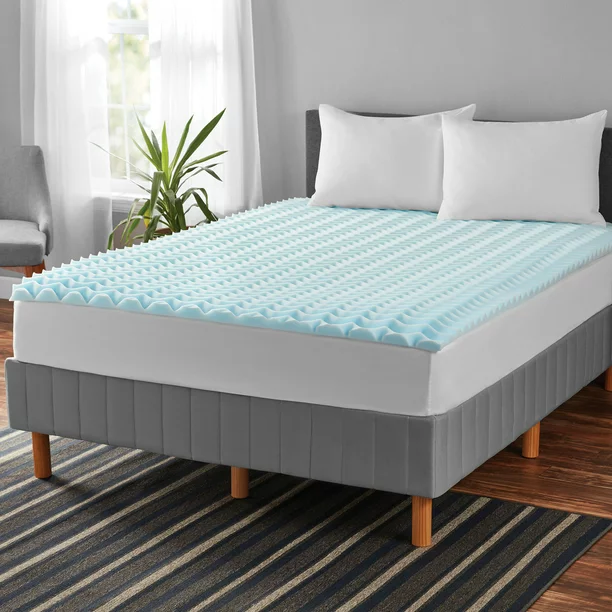
A topper is a thicker comfort layer made from foam, latex, fiber, wool, or another material. Its main purpose is to change cushioning or firmness, not to protect the mattress. A topper can absorb a spill and may itself need protection. If you use one, check whether the protector is meant to fit over both the topper and mattress.
Waterproof and water-resistant mean different things
A waterproof protector is intended to keep liquid from passing through its barrier under the conditions described by the manufacturer. Water-resistant fabric may slow a small spill but can allow liquid through with enough volume, pressure, or time.
Most waterproof fitted protectors pair a textile sleep surface with a thin membrane or coating. The top fabric affects feel and how quickly moisture spreads. The membrane does the liquid blocking. A plush or absorbent top can hold a small amount of liquid away from the sleeper, but it still needs laundering after an accident.
For frequent incontinence or caregiving, a washable absorbent bed pad placed above a waterproof protector can simplify changes. Choose one that lies flat and does not create a tripping, bunching, skin, or transfer problem for the person using the bed. Disposable underpads may be useful for short-term needs, but a small pad does not protect the whole mattress.
If liquid protection matters, check what the product actually promises. “Moisture-wicking,” “breathable,” and “stain-resistant” do not mean waterproof. After laundering, a small leak check away from the mattress can reveal a failed barrier: place the protector over a dry towel, apply a small amount of water, wait briefly, and inspect the towel. Follow the manufacturer's instructions if it specifies a different test.
What allergy encasements can and cannot do
A fitted protector labeled “hypoallergenic” is not necessarily an allergen barrier. For dust-mite control, look for a full zippered encasement specifically designed to block mite allergens. A practice parameter from allergy organizations recommends allergen-proof encasements for mattresses, foundations, and pillows as one way to reduce dust-mite allergen exposure 1.
Reduced exposure does not guarantee fewer symptoms. The same practice parameter notes inconsistent improvement in asthma and allergic rhinitis, and recommends a multifaceted approach rather than relying on one cover 1. A Cochrane review found limited evidence for dust-mite avoidance in perennial allergic rhinitis and concluded that impermeable bedding used alone was unlikely to be effective 2.
An encasement is therefore best viewed as one environmental measure for a person with a relevant allergy, not as a cure or a way to diagnose the cause of symptoms. If morning congestion, wheezing, or eczema persists, discuss the pattern with a clinician rather than repeatedly changing bedding based on “hypoallergenic” marketing.
Bedbug protection requires a different product and a broader plan
An ordinary fitted protector does not seal a mattress and cannot contain bedbugs. For an existing infestation, the U.S. Environmental Protection Agency includes protective covers that seal mattresses and box springs within a larger control plan. The agency also emphasizes that bedbug treatment is complex, can take weeks to months, and requires repeated steps 3.
Choose an encasement explicitly intended for bedbugs, sized for the exact mattress or foundation, and equipped with an intact zipper and sealed closure. Follow the pest professional's or product manufacturer's instructions about installation and how long it must remain in place. Check it periodically for tears and zipper damage.
An encasement can trap bugs already inside and remove mattress seams as hiding places. It cannot keep bedbugs from entering the room or hiding in the bed frame, furniture, walls, or belongings. It does not prevent an infestation by itself and is not a substitute for identification, inspection, and an integrated control plan.
Fit affects both comfort and protection
Measure the mattress rather than buying from the size name alone. Record its length, width, and actual depth. Include any topper that will sit inside the protector. Compare those measurements with the product's fit range and pocket depth.
A fitted protector that is too shallow may pull off the corners, strain its seams, or compress a soft foam edge. One that is too loose can wrinkle or bunch. A full encasement that is too large can fold under the sleeper, while one that is too small can stress the zipper and barrier. Adjustable beds also need enough stretch and secure corners to move without pulling free.
Install the protector, make the bed, and lie in your usual positions. Check for shifting, wrinkles, seam pressure, and changes in mattress feel. Recheck after the first wash because some textile layers can shrink.
Heat, noise, and “breathable” claims
A protector may change how the bed feels. A liquid-blocking membrane can feel warmer or sound crinkly, while a thick quilted surface can soften the mattress. The result depends on the membrane, top fabric, fit, bedding, room conditions, and the sleeper.
“Breathable” is not a promise that a protector will cool the bed. Air permeability, water-vapor movement, and heat transfer are different properties, and marketing rarely gives enough comparable test information to predict comfort. A realistic return policy and an at-home trial are more useful than a generic cooling label.
Check the return policy before washing. If laundering does not end the trial or return right, wash the protector as directed before deciding whether noise or stiffness is permanent. Stop using it if it shifts enough to create folds, meaningfully changes the support you bought the mattress for, or remains uncomfortably warm or noisy.
Washing, drying, and replacement
Read the protector's label before the first wash. Membrane materials, zipper designs, absorbent layers, and textile covers can have different limits. Do not assume that hot water, chlorine bleach, fabric softener, ironing, or high dryer heat is safe. Use only the methods the manufacturer permits.
Wash after a spill or bodily-fluid accident and whenever ordinary bedding care calls for it. There is no universal schedule for every household. Someone managing incontinence or heavy sweating may need more frequent laundering than a guest bed. Having a second protector can keep the mattress covered while the first dries.
Dry it fully before returning it to the mattress. Storing or making the bed with a damp protector can hold moisture against the mattress. Avoid stretching or reinstalling a membrane while it is still hot if the care instructions warn against it.
Replace the protector when:
- liquid passes through during use or a leak check
- the membrane peels, bubbles, delaminates, cracks, or becomes brittle
- seams split or elastic no longer keeps the protector in place
- a full encasement develops a hole or its zipper or end closure fails
- shrinkage or stretching causes bunching, exposed mattress areas, or excessive tension
Age alone is a poor replacement rule. Condition and performance are more useful.
Check the mattress warranty itself
Do not assume that every mattress warranty requires a protector. Warranty, trial, and return rules differ by brand, model, seller, country, and date of purchase. Read the terms that came with your exact mattress.
Look specifically for language about stains, liquid damage, odors, sanitation, removable covers, required foundations, returns, and inspection. A protector may reduce the chance of a disqualifying stain, but it does not preserve coverage for an unrelated problem if other terms were not followed. Save the mattress receipt, protector care instructions, and photographs of any defect before making a claim.
Protectors on infant sleep surfaces need stricter limits
Adult-bed advice should not be transferred to a crib, bassinet, or play yard. The Safe to Sleep campaign recommends a firm, flat, level infant sleep surface covered only by a fitted sheet. Soft or nonfitted bedding can create suffocation, entrapment, and strangulation hazards 4.
Do not add a generic adult protector, padded or quilted layer, loose underpad, topper, folded towel, or improvised waterproof sheet to an infant sleep surface. If the crib, bassinet, or play-yard manufacturer permits a protector, use only one designed for that exact sleep surface and configuration. It must fit tightly beneath the fitted sheet and must not soften, incline, bunch, gap, or change the dimensions of the sleep surface. When the instructions do not permit an added layer, use only the specified mattress and fitted sheet.
The bottom line
A mattress protector is worthwhile when it reduces a realistic cleanup, allergy, pest, or warranty risk without making the bed uncomfortable. It is reasonable to skip one when those risks are low and the mattress can be cared for as its manufacturer directs.
Start with the job, not the marketing label. Use a fitted waterproof protector for liquids, a proper allergen encasement within an allergy plan, and a bedbug-rated full encasement within a broader pest-control plan. Then choose the correct fit, care for it according to its label, and replace it when the barrier, zipper, or fit fails.