
A mattress lasts as long as it remains safe, sanitary, structurally sound, and suitable for the people using it. Calendar age provides context, but it does not set an expiration date. There is no evidence-based rule that every mattress should be replaced after seven, eight, or ten years.
Construction and material performance matter, but so do use frequency, sleeper load, the support system underneath, handling, moisture, heat, care, and the manufacturer's design tolerances. Two mattresses of the same broad type can use different layer thicknesses, foam formulations, springs, fabrics, adhesives, edge structures, and foundations. That is why unsupported lifespan charts for latex, memory foam, hybrid, and innerspring mattresses are not reliable buying or replacement tools.
Start with the change, not the age
Ask what has changed and whether the change remains after basic troubleshooting.
Normal softening and body impressions
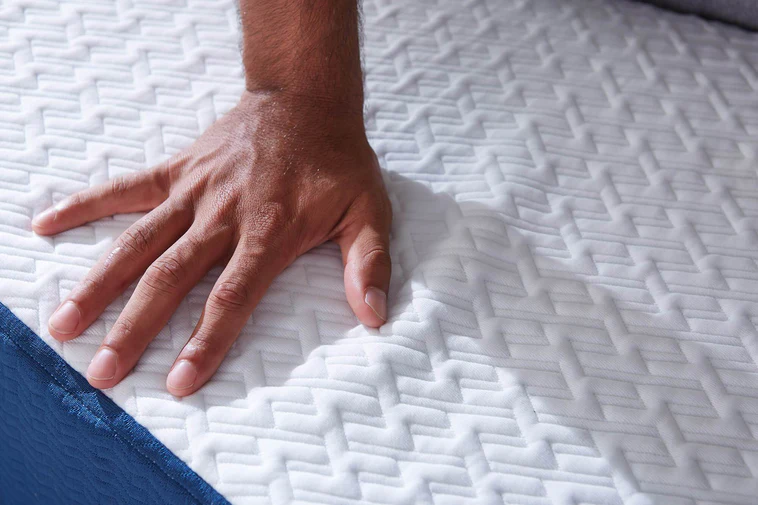
Comfort layers can soften with use, and a quilted top can develop a visible impression where a person usually lies. Some manufacturers explicitly exclude ordinary softening, comfort preference, and impressions below a model-specific threshold from defect coverage. For example, Tempur-Pedic distinguishes normal softening from covered deterioration and uses different unloaded-indentation thresholds for some quilted and non-quilted models 1.
A visible impression is therefore not automatically structural failure. Check the model's instructions before deciding what it means.
Permanent indentation
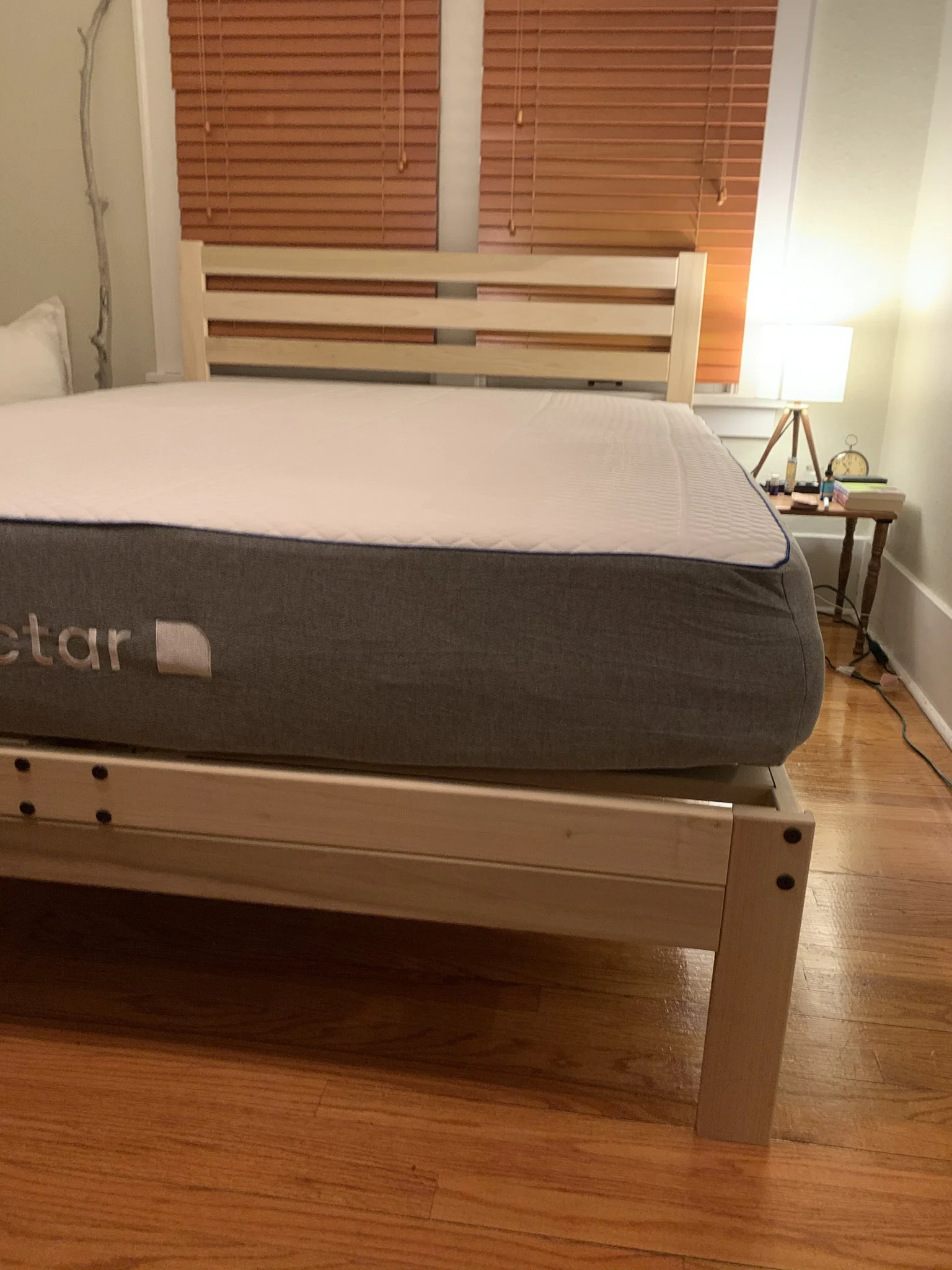
A permanent indentation remains when nobody is on the mattress and the bedding has been removed. Warranty definitions vary. Casper's current limited warranty, for example, lists a visible indentation greater than one inch under specified conditions, while the cited Tempur-Pedic warranty uses other thresholds 2 1.
These numbers illustrate variation between written warranties. They are not universal clinical or comfort limits. A smaller impression can still bother a sleeper without being a covered defect, and an impression that exceeds a threshold can still be excluded if the required support was not used.
Structural sag or damaged components
Structural loss may appear as a broad dip, collapsed edge, shifted or cracked foam, broken spring, protruding component, torn seam, or surface that no longer returns toward its intended shape. A topper can change surface feel, but it cannot restore a broken support core or repair a failed spring unit.
Exposed wire, sharp material, damaged electrical parts, or material escaping through a torn cover is a safety issue. Stop using the affected area and follow the manufacturer or recall instructions. Do not unzip or cut into a mattress unless its instructions specifically permit it.
Foundation, frame, or floor failure
A mattress can look sunken because the slats, foundation, center support, frame, adjustable base, or floor underneath is bowed, broken, uneven, incorrectly assembled, or unable to carry the combined load. Manufacturer requirements can specify a solid surface, maximum slat gaps, center supports, leg counts, compatible foundations, or approved adjustable bases 1.
Replacing the mattress without checking the support system can reproduce the same problem and may weaken a warranty claim.
Comfort preference
A structurally intact mattress can become unsuitable because a person's comfort preference, body, mobility, health, sleeping arrangement, or partner setup changed. That is a valid reason to consider a different mattress, but it is not the same as a manufacturing defect. First confirm whether a topper, pillow, bed height, split setup, or another reversible change solves the specific problem without creating an unsafe surface.
Hygiene and contamination
A removable cover may be washable, spot-clean only, or not intended to be removed. The inner mattress may not tolerate liquid. Follow the sewn-in care label and model instructions rather than a general cleaning recipe.
Widespread mold, sewage, floodwater, bodily-fluid contamination that cannot be remediated, persistent pest infestation, or an odor from material that cannot be safely cleaned can make replacement necessary. EPA guidance notes that mold can penetrate wet porous material deeply enough that complete removal may be difficult or impossible 3.
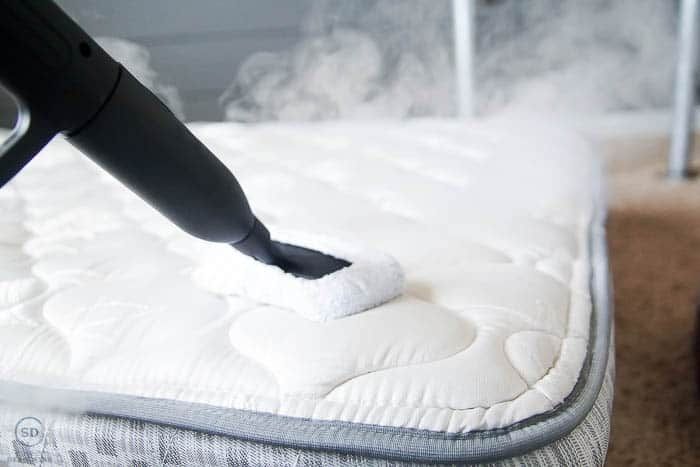
Do not apply bleach, steam, solvent, essential oil, pesticide, or large amounts of water unless the product instructions and the chemical label allow it. Saturating a mattress can worsen moisture damage.
Safety defects and recalls
Age is irrelevant when a mattress is recalled or presents a fire, electrical, sharp-component, entrapment, or other serious hazard. CPSC maintains a searchable recall and safety-warning database. Recall remedies can require stopping use, repair, refund, or disposal, and a recalled mattress should not be sold or donated contrary to the notice 4.
U.S. mattresses and mattress sets are subject to federal smoldering and open-flame flammability standards, but compliance is not permission to smoke or use open flames in bed 5.
Inspect the mattress step by step
If the concern is sagging, uneven support, or a new change in feel, use a controlled check.
- Find the exact model documents. Locate the receipt, law tag, warranty, care label, foundation requirements, trial or return terms, and any recall notice. Download current copies, but keep the version supplied at purchase if available.
- Strip the bed. Remove sheets, protector, pad, topper, and other accessories. Inspect the full top, sides, seams, cover, underside, and edges in good light. Do not remove a manufacturer cover merely because it has a zipper.
- Check the support below. With enough help to lift safely, inspect slats, center rail, legs, fasteners, platform, foundation, and adjustable-base deck. Confirm the frame sits on a stable, level floor and matches the model's support and load requirements.
- Measure only as directed. Some claims require a rigid straightedge across the unloaded sleeping surface and a ruler at the deepest point. Do not push the ruler into soft material. Use the exact method and threshold in the warranty. Tempur-Pedic's current claim instructions, for example, request an unloaded straightedge measurement 6.
- Rotate or flip only if permitted. Some one-sided mattresses must not be flipped. Tempur-Pedic currently says flipping its mattresses can affect performance and warranty, while rotation is optional for its models 7. Other brands and older models may give different instructions.
- Compare cautiously. If safe and practical, compare the usual sleeping position with another position or side for a few nights. A short trial on another suitable sleep surface may show that the surface contributes to comfort, but it cannot diagnose the cause of pain, fatigue, or poor sleep.
- Document the pattern. Photograph the full mattress, measured area, law tag, and exposed support system. Record dates, where each person sleeps, whether the change is unloaded, and what happened after an allowed rotation or support correction. Avoid modifying the mattress while a claim is under review.
If the base is broken, repair or replace the base according to its instructions before judging the mattress. If the mattress has persistent structural loss on a verified suitable base, contact the seller or manufacturer while coverage may still apply.
Warranty length is not expected life
A warranty is a written promise to provide a stated remedy for specified defects during a stated period. It may cover little or much. The FTC advises consumers to read the coverage, exclusions, remedy, claim process, costs, maintenance requirements, and whether a separately sold service contract overlaps existing protection 8.
A ten-year or lifetime limited warranty does not promise:
- unchanged firmness or comfort for the full term
- coverage for ordinary wear
- coverage for every indentation or noise
- a refund rather than repair or replacement
- free transport, inspection, or replacement in every year
- coverage for later owners, commercial use, or an unauthorized purchase
Mattress warranties commonly depend on the original purchaser retaining proof of purchase and the law tag. They may request photos of the surface, defect, measurement, and support system. They can exclude stains, liquid damage, burns, cuts, improper foundations, handling damage, unsanitary condition, or comfort preference 1 2.
Trial and return policies are separate from warranties. A trial usually addresses initial suitability within a limited window, while a warranty addresses listed defects. Read pickup, exchange, processing-fee, condition, protector, and location rules before assuming a return is free.
Care that protects function and documentation
Model-specific instructions control. General habits should stay within them.
- Use a compatible protector if permitted, especially where spills are foreseeable. A protector reduces exposure but does not make a mattress waterproof or replace cleaning and drying instructions.
- Respond to spills promptly. Blot rather than spread the liquid, follow the cover label, avoid saturating the core, and let all material dry completely before remaking the bed. One manufacturer's foam-specific instructions illustrate this approach, but another mattress may differ 9.
- Manage moisture. Address room dampness, leaks, condensation, and wet bedding. Allow airflow as the manufacturer permits. Do not trap a damp mattress in plastic.
- Rotate on the stated schedule, if any. Do not invent a monthly or seasonal schedule when the manual says rotation is optional or unnecessary.
- Flip only a two-sided model that permits flipping. Layered one-sided mattresses can be damaged or feel unusable when inverted.
- Move it as instructed. Use enough people, protect the cover, avoid dragging, and do not fold, bend, stand, or roll the mattress unless its model instructions allow that handling. A mattress that arrived compressed is not necessarily designed to be recompressed.
- Store it only in the permitted orientation. Keep it clean, fully dry, supported, and protected from pests and temperature or humidity extremes. Long unsupported storage on an edge can deform some models.
- Confirm powered-base compatibility. A flexible mattress may work on an adjustable base, but the mattress and base manuals must agree. Keep retainer bars installed, cords clear, pinch areas unobstructed, and electrical components dry. Do not repair motors, wiring, or frames beyond the owner's manual.
Symptoms do not prove the mattress failed
New pain, stiffness, fatigue, poor sleep, allergy symptoms, or night sweats can coincide with a mattress change, but none identifies the mattress as the cause.
A short comparison with another suitable surface may provide useful information, but medical symptoms still need their own assessment. Seek clinical advice for persistent or worsening pain, weakness, numbness, fever, unexplained weight loss, regular drenching night sweats, or fatigue that continues for weeks. Regular soaking night sweats can have causes unrelated to room or bedding warmth 10.
Sneezing or congestion in bed does not prove dust mites, mold, or the mattress is responsible. Consider the whole room, bedding, pets, humidity, ventilation, and known allergies. Visible or smelled mold calls for moisture correction and safe removal; symptoms may still require medical evaluation 11.
Loud habitual snoring, witnessed breathing pauses, gasping, morning headache, or marked daytime sleepiness may indicate sleep apnea. A firmer or newer mattress cannot diagnose, rule out, or treat it 12. Do not drive when sleepy.
When replacement is the practical boundary
Replacement is reasonable when one or more of these remains after safe inspection and allowed troubleshooting:
- structural sag, collapse, shifting, cracking, or loss of support that affects use
- permanent indentation or another defect that the manufacturer confirms cannot be repaired
- broken, exposed, sharp, or escaping components
- a failed edge or surface that creates a transfer or fall hazard
- mold, floodwater, sewage, pests, or other contamination that cannot be safely remediated
- a recall or fire or electrical hazard whose official remedy requires discontinued use
- an inaccessible repair or a mattress that cannot be moved, rotated, or used safely
- persistent lack of acceptable comfort after the base, setup, and reversible adjustments have been checked
A mattress can be replaced earlier for changed needs, and a sound older mattress need not be discarded only because it crossed a calendar anniversary.
Disposal and donation
Check municipal or regional rules before moving the mattress. Collection, recycling, retailer take-back, fees, wrapping requirements, and accepted materials vary by jurisdiction. EPA guidance directs consumers to local waste programs and mattress recyclers rather than implying one national route 13.
Ask a recipient or charity before transporting a donation. Do not donate a recalled, structurally damaged, moldy, wet, heavily soiled, or pest-infested mattress. Follow local instructions for containing an infested or contaminated item so the problem is not spread to another home, worker, or vehicle.