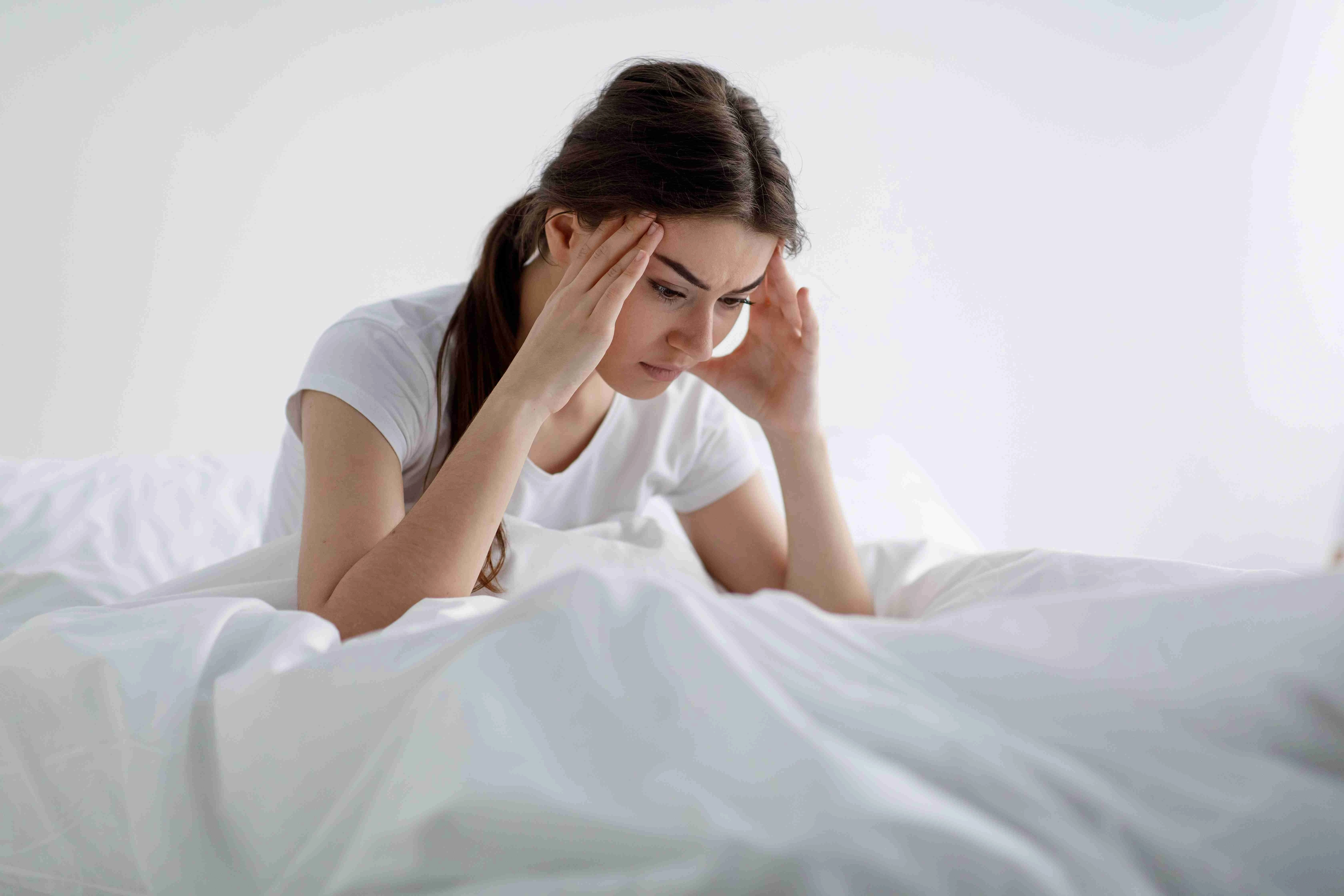


Insomnia is more than getting too little sleep. It means repeatedly having trouble falling asleep, staying asleep, or returning to sleep despite a realistic opportunity to rest, with distress or daytime effects such as fatigue, poor concentration, irritability, or reduced function.
This distinction matters. Pain, a baby who needs care, shift work, or too little protected sleep time may reduce sleep without causing insomnia. A person can also have both limited sleep opportunity and insomnia, such as being unable to sleep during the only available quiet period.
Insomnia is reported more often in studies of women, but "because of hormones" is not an adequate diagnosis. Menstrual symptoms, pregnancy, postpartum recovery, and the menopause transition can matter for some people. So can other health conditions, mental health, medicines, work schedules, caregiving, and unequal access to protected sleep.
Not every woman menstruates, becomes pregnant, gives birth, or experiences a natural menopause. People who do not identify as women may experience these reproductive stages. Good care starts with the person's symptoms, body, medicines, responsibilities, and goals rather than assumptions based on a category.
Is insomnia really more common among women?
A meta-analysis of 13 population studies that used international diagnostic criteria included 22,980 people. The odds of insomnia were higher in the female groups than in the male groups, although estimates varied substantially among studies 1.
This finding describes a population pattern, not a cause. The underlying studies mostly recorded people as female or male and referred to that variable inconsistently as sex or gender. They could not cleanly separate reproductive biology, gender identity, social roles, discrimination, symptom reporting, health conditions, or access to care. The result therefore does not explain why any one woman has insomnia, and it leaves many transgender, nonbinary, and intersex experiences unmeasured.
What insomnia can look like
The nighttime pattern may include:
- Taking a long time to fall asleep despite feeling tired
- Repeated awakenings with difficulty returning to sleep
- Waking earlier than intended and remaining awake
- Feeling tense, alert, or worried when trying to sleep
Daytime effects may include fatigue, sleepiness, poor attention, memory difficulty, low motivation, irritability, or concern about functioning safely. These symptoms are not specific to insomnia. Anemia, thyroid disease, depression, anxiety, chronic pain, sleep apnea, restless legs syndrome, medicine effects, and insufficient sleep can produce overlapping complaints.
A few difficult nights during a stressful event are not automatically chronic insomnia. Persistent symptoms deserve assessment when they cause distress, interfere with daily life, or continue after the immediate disruption has improved.
How sleep problems can change across life stages
If you menstruate
Do not assume that every sleep change during a menstrual cycle is a direct hormone effect. Track what actually happens and when. A repeating pattern may point to:
- Cramps, migraine, gastrointestinal symptoms, or other pain
- Heavy bleeding that causes awakenings, worry about leakage, or iron deficiency
- Premenstrual mood symptoms, anxiety, irritability, or PMDD
- Changes in a chronic pain, mood, or sleep condition
- The effects of a contraceptive, pain medicine, stimulant, or other treatment
Heavy menstrual bleeding can cause iron-deficiency anemia and may signal a condition that needs treatment 2. Low iron is also relevant when an uncomfortable urge to move the legs appears at rest in the evening. Do not start high-dose iron from sleep symptoms alone. A clinician can decide whether a blood count and iron studies are appropriate.
Sleep or mood changes that reliably appear before a period may be part of PMS or PMDD, but diagnosis depends on the repeated timing and full symptom pattern, not insomnia alone 3. Our guide to PMS and period insomnia covers tracking and treatment in more detail.
During pregnancy
Nausea, reflux, urinary frequency, pelvic or back pain, fetal movement, shortness of breath, and difficulty finding a comfortable position can interrupt sleep. The first task is to identify and treat those symptoms safely, not to explain every awakening as a normal hormone change.
Pregnancy can also coincide with insomnia, depression or anxiety, obstructive sleep apnea, and restless legs syndrome. Mention new snoring, gasping, breathing pauses, morning headaches, high blood pressure, an urge to move the legs at night, or severe daytime sleepiness to the prenatal care team. These clues may change the evaluation and treatment.
The broader pregnancy and sleep guide covers positioning, common symptoms, sleep disorders, and safety without duplicating them here.
After giving birth
Postpartum sleep is shaped by physical recovery, pain, bleeding, feeding, infant care, household help, and the baby's sleep. Frequent necessary awakenings can leave too little uninterrupted opportunity to sleep. Insomnia is more likely when someone remains unable to sleep during a genuine opportunity or develops persistent fear and alertness around sleep.
Assessment should include depression, anxiety, birth trauma, obsessive or intrusive thoughts, bipolar disorder, medicines, substance use, pain, thyroid symptoms, and the practical division of nighttime care. Protecting a workable sleep opportunity may require help from a partner, family member, or another support person before a conventional insomnia schedule is realistic.
Focused guidance is available in our postpartum sleep and postpartum insomnia articles.
During perimenopause and after menopause
Hot flashes and night sweats can trigger awakenings, but they do not explain every case of midlife insomnia. Mood symptoms, chronic pain, urinary symptoms, medicines, alcohol, changing work or caregiving demands, restless legs, and obstructive sleep apnea may occur at the same time.
Ask two separate questions:
- Are bothersome vasomotor symptoms waking you?
- Once awake, can you return to sleep, or has an independent insomnia pattern developed?
Treating hot flashes may reduce symptom-driven awakenings. Persistent difficulty sleeping can still need insomnia-specific treatment.
Contributors that can matter at any stage
Pain and medical conditions
Arthritis, fibromyalgia, migraine, endometriosis, pelvic pain, reflux, urinary symptoms, and other conditions can make it difficult to settle or stay asleep. Insomnia can then increase distress and sensitivity to symptoms. Treat both sides of the problem rather than waiting for one to disappear completely.
An overactive thyroid can cause restlessness, heat intolerance, palpitations, and sleep difficulty. An underactive thyroid can cause fatigue that may be confused with poor sleep. Thyroid testing is useful when symptoms or medical history support it, not as a universal insomnia panel.
Depression, anxiety, trauma, and bipolar disorder
Insomnia may precede, accompany, or outlast depression, anxiety, or trauma-related symptoms. Treating the mental health condition does not guarantee that chronic insomnia will resolve, and treating insomnia does not replace appropriate mental health care.
A reduced need for sleep is different from insomnia. Someone becoming unusually energetic, activated, impulsive, or fast-thinking while sleeping little may be developing mania or hypomania, especially with a personal or family history of bipolar disorder. That pattern needs prompt clinical assessment rather than self-directed sleep restriction.
Caregiving, paid work, and sleep opportunity
Caregiving and household labor can interrupt sleep or leave too little time for it. In 2025 U.S. time-use data, women were more likely than men to report doing household activities on an average day, but averages do not describe every home or relationship 4.
Ask who handles overnight care, early-morning tasks, household planning, and unpredictable work. A treatment plan that assumes an uninterrupted night will fail when the person's real schedule does not permit one. Sharing care, changing shifts, arranging respite, or addressing workplace conditions may be part of sleep treatment, not optional lifestyle polish.
Medicines and substances
Review all prescription medicines, over-the-counter products, supplements, caffeine, nicotine, alcohol, and cannabis. Timing, dose changes, withdrawal, interactions, and next-day sedation can matter. Antidepressants, stimulants, corticosteroids, thyroid medicine, decongestants, pain treatments, and hormone therapies can affect people differently, so do not stop or reschedule a prescribed medicine without the prescriber.
Do not miss another sleep disorder
Obstructive sleep apnea can coexist with insomnia
Obstructive sleep apnea does not always arrive as obvious loud snoring and witnessed pauses. Its clinical symptoms can include insomnia, unrefreshing sleep, fatigue, or daytime sleepiness, as well as gasping, choking, snoring, or observed breathing interruptions 5.
Consider an apnea evaluation when insomnia occurs with breathing symptoms, resistant high blood pressure, morning headaches, repeated nighttime urination, marked sleepiness, or relevant pregnancy and menopause changes. A questionnaire or wearable cannot diagnose or exclude apnea. The appropriate home or laboratory test depends on the clinical picture.
Our sleep apnea symptoms in women guide explores this presentation in more depth.
Restless legs can delay sleep
Restless legs syndrome causes an urge to move the legs, usually with uncomfortable sensations, that begins or worsens during rest, improves temporarily with movement, and is worse in the evening or night. It is not the same as cramps, habitual foot movement, or generalized pain.
Pregnancy and systemic iron deficiency are associated with more restless legs syndrome. The AASM guideline recommends regular iron studies in clinically significant RLS because iron results guide treatment choices 6. Heavy menstrual bleeding is one reason iron deficiency may be present. Evaluation should connect the bleeding, iron status, pregnancy context, and leg symptoms rather than recommending iron or magnesium blindly.
What a useful assessment includes
A clinician does not need to order every sleep or hormone test. Insomnia guidelines start with a clinical interview, sleep and medical history, and a sleep diary, with examination or additional tests when the history points to a need 7. A focused assessment usually includes:
- The exact nighttime problem, its duration, frequency, and daytime effects
- Whether there is enough protected time and a suitable opportunity to sleep
- A short sleep diary covering workdays, days off, and relevant symptom timing
- Menstrual, pregnancy, postpartum, or menopause symptoms when applicable
- Pain, mood, trauma, thyroid, urinary, gastrointestinal, and other medical symptoms
- Medicines, supplements, contraception, hormone treatments, caffeine, alcohol, nicotine, and cannabis
- Snoring, gasping, breathing pauses, restless legs, unusual movements, and severe sleepiness
- Work hours, nighttime caregiving, household support, and driving or occupational risk
Blood tests should answer a specific question. A blood count and iron studies may be appropriate with heavy bleeding, anemia symptoms, pregnancy, or restless legs. Thyroid testing may be appropriate with suggestive symptoms or a thyroid history. Hormone levels are not a routine test for diagnosing insomnia.
Polysomnography is not routinely required to diagnose chronic insomnia. It becomes useful when another sleep disorder is suspected or insomnia has not responded to treatment 7.
Treatment
CBT-I leads chronic insomnia treatment
Multicomponent cognitive behavioral therapy for insomnia, or CBT-I, is the leading treatment for chronic insomnia. The AASM gives it a strong recommendation 8.
CBT-I is more than sleep-hygiene advice. It typically combines a sleep diary, a consistent wake time, stimulus control, a carefully adjusted sleep window, cognitive work on sleep-related fear or beliefs, and relapse planning. It can be delivered in person, by telehealth, or through an evidence-based digital program, although the level of support and suitability varies.
The evidence is encouraging in specific life-stage populations:
- In a randomized trial of 208 pregnant participants with insomnia symptoms, digital CBT-I improved self-reported insomnia severity more than standard care, but did not significantly improve sleep duration. Most participants were White, partnered, college educated, and relatively high income, which limits how broadly the findings can be applied 9.
- A small Australian postpartum trial found that therapist-assisted CBT reduced insomnia symptoms compared with usual care. It included first-time parents four to 12 months after birth and excluded people whose infants needed help returning to sleep more than three times per night, so the result should not be transferred to every early-postpartum situation 10.
- A single-site trial of 150 postmenopausal women with chronic insomnia found both multicomponent CBT-I and sleep-restriction therapy more effective than sleep-hygiene education. Participants had a narrow, carefully screened presentation, so the trial does not show that every midlife sleep complaint needs the same protocol 11.
Adapt the sleep window when safety requires it
Sleep restriction in CBT-I means temporarily limiting time in bed to consolidate sleep. It is not permission to deprive yourself of needed sleep. The AASM warns that this component may be unsuitable without modification for people at risk of mania or hypomania, people with poorly controlled seizure disorders, and those whose driving or high-risk work could become unsafe 8.
Pregnancy protocols have used modified sleep-window limits, and postpartum caregiving may leave too little sleep opportunity to restrict further 9. Seek clinician-guided adaptation during pregnancy, with bipolar risk, excessive sleepiness, untreated sleep apnea, seizure risk, or safety-sensitive work. Protecting an adequate opportunity to sleep comes before trying to make the window smaller.
Treat the symptoms that keep waking you
CBT-I does not replace care for heavy bleeding, pain, reflux, depression, anxiety, trauma, thyroid disease, vasomotor symptoms, apnea, or restless legs. Treating those contributors can remove awakenings, while CBT-I addresses a persistent insomnia pattern that remains around them.
Supportive habits can make treatment easier. A stable wake time, morning light, a comfortable environment, appropriately timed exercise, and reducing late caffeine, nicotine, or alcohol may help when they match the person's actual trigger. Sleep hygiene by itself is not an evidence-based treatment for chronic insomnia 8.
Medicines and menopausal hormone therapy need separate decisions
There is no single duration rule that applies to every sleep medicine. Benefits, risks, duration, next-day impairment, dependence or withdrawal potential, interactions, and monitoring differ by drug and by person. The decision should name the exact medicine and the symptom it is meant to treat.
Menopausal hormone therapy is primarily considered for bothersome vasomotor symptoms and other established indications, not as a universal insomnia medicine. The Menopause Society describes hormone therapy as the most effective treatment for vasomotor symptoms and recommends individualized decisions based on age, timing, symptoms, health history, contraindications, and periodic review 12.
If hormone therapy reduces hot flashes and therefore reduces awakenings, that is useful. It does not prove that it directly treated a separate chronic insomnia pattern. Nonhormonal treatments for vasomotor symptoms also target hot flashes; they should not be described as interchangeable with medicines chosen specifically for insomnia.
Pregnancy, trying to conceive, breastfeeding, contraception, and a planned change in hormone treatment all require a medicine-specific review. The FDA advises discussing prescription medicines, over-the-counter products, vitamins, and supplements before or during pregnancy and reviewing whether each can continue while breastfeeding 13. Do not assume that an herb, "natural" sleep product, antihistamine, melatonin product, or supplement is safe in these settings. Do not abruptly stop an established psychiatric, seizure, pain, or other essential medicine without a plan.
When to seek urgent help
Insomnia should not distract from a medical or psychiatric emergency.
During pregnancy or within a year after delivery, seek immediate medical care for a severe or worsening headache, vision changes, trouble breathing, chest pain or a fast heartbeat, severe abdominal pain, fainting, fever, marked swelling of the face or hands, heavy bleeding, or thoughts of harming yourself or the baby. These are among the CDC's urgent maternal warning signs and can reflect preeclampsia, hemorrhage, infection, a blood clot, heart disease, or another serious condition 14.
Treat possible postpartum psychosis as an emergency. New confusion, hallucinations, delusions, extreme agitation, rapidly changing mood, or manic behavior after birth needs same-day emergency assessment. The person may not recognize that they are ill, so a partner or family member may need to act 15.
Get urgent help for severe bleeding or anemia symptoms. Heavy bleeding with fainting, severe weakness, shortness of breath, chest pain, or a racing heart needs prompt assessment. Heavy menstrual bleeding can cause iron-deficiency anemia, and severe anemia can affect breathing and the heart 2.
Do not drive through dangerous sleepiness. If you are struggling to keep your eyes open, drifting from your lane, missing exits, or unable to remember the last part of the trip, stop driving and arrange safe transportation. Opening a window or turning up music is not a reliable fix 16.
Bottom line
Women report insomnia more often on average, but that statistic does not identify an individual's cause. Start by separating insomnia from insufficient opportunity and by identifying the symptoms, sleep disorders, health conditions, medicines, and responsibilities that shape the night.
Menstrual symptoms, pregnancy, postpartum recovery, and menopause can change the assessment for people who experience them. They do not replace the rest of the assessment. For persistent insomnia, CBT-I is the leading treatment, adapted when pregnancy, caregiving, bipolar risk, excessive sleepiness, or safety makes standard sleep restriction unsuitable. Symptom treatments, sleep medicines, and hormone therapy each need their own clearly defined purpose and safety review.