

Food can affect how alert, hungry, thirsty, or physically comfortable you feel near bedtime. Sleep can also affect appetite and food choices the next day. That does not make any one food a sleep treatment. No food has been shown to cure insomnia or reliably produce more deep sleep or REM sleep 1.
For most people, the sound starting point is an adequate, varied eating pattern they can sustain. Meal timing can then be adjusted to fit work, sleep, hunger, medicines, and symptoms such as reflux. This is more defensible than chasing "sleep foods," cutting out whole food groups, or taking a nutrient because one study found an association.
What nutrition and sleep research can tell us
A large part of this research is observational. Researchers ask people what they eat and how they sleep, then look for patterns. These studies can identify an association, but they usually cannot show which factor came first.
Diet is also difficult to isolate. Income, food access, work schedules, physical activity, stress, health conditions, medicines, alcohol, and sleep disorders can influence both food choices and sleep. Dietary questionnaires and self-reported sleep introduce additional measurement error.
A 2024 meta-analysis found that Mediterranean-style and other higher-quality dietary patterns were associated with fewer insomnia symptoms. It also rated the certainty of the evidence as very low because the included studies were observational and differed substantially in how they measured diet and sleep 2. A separate review of Mediterranean-diet studies reached a similar association, but all 23 included reports were observational 3.
This distinction changes the practical message. These findings support a nutritious overall pattern as a reasonable health foundation. They do not prove that adopting a Mediterranean diet will treat insomnia, nor do they establish olive oil, fish, nuts, or any other component as a sedative.
Short sleep, long sleep, and diet can move together
Short sleep is often linked with lower diet quality or higher energy intake. The relationship is not only a diet-to-sleep pathway. In randomized trials, restricting sleep increased hunger and average energy intake, although hormone and energy-expenditure findings were less consistent 4.
Long sleep should not be interpreted as proof that someone has eaten "better" or "worse." In a cross-sectional US survey, adults reporting five hours or less and those reporting nine hours or more both had slightly lower diet-quality scores than the seven-to-eight-hour group 5. The survey could not determine whether diet affected sleep duration, sleep affected diet, or health and social factors affected both. Long sleep can also accompany illness, recovery, depression, medication effects, or low activity.
Think in patterns, not sleep-promoting ingredients
The World Health Organization describes healthy diets through four broad principles: adequacy, balance, moderation, and diversity. It also emphasizes that the exact foods vary with culture, local availability, dietary customs, lifestyle, and individual needs 6.
A useful pattern can include:
- vegetables and fruit in forms that are available and affordable, including fresh, frozen, canned, or dried choices
- beans, lentils, peas, whole grains, potatoes, or other staple carbohydrates
- protein from any suitable mix of legumes, soy foods, nuts, seeds, eggs, dairy, fish, poultry, or meat
- fats from foods and oils that fit the person's cuisine and health needs
This is not a required shopping list. Rice and beans, lentil soup, a vegetable and egg dish, tofu with noodles, or fish with potatoes can all contribute to a varied pattern. A Mediterranean-style pattern is one evidence-linked example, not the only healthy cuisine and not a treatment protocol for sleep.
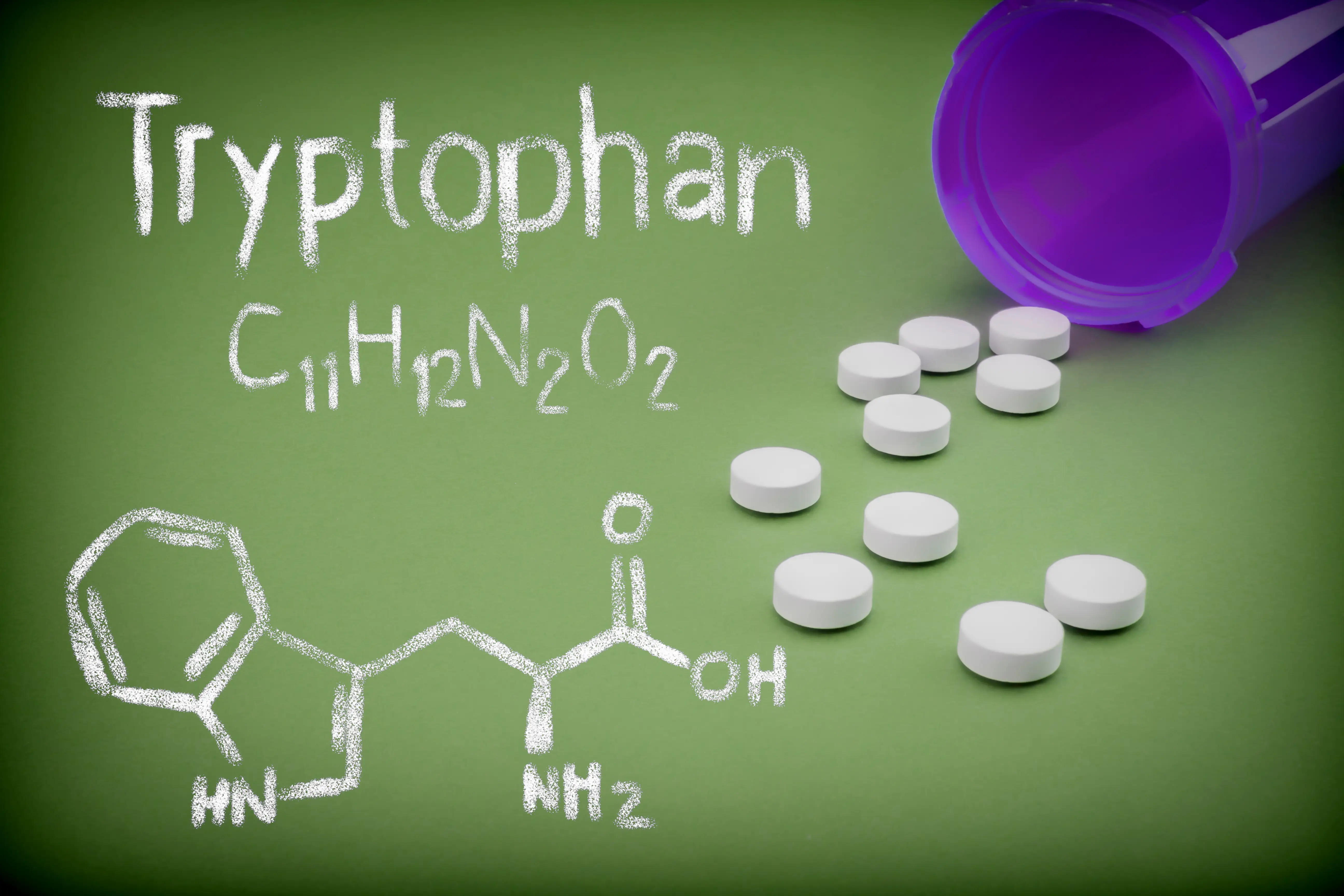
Claims about tryptophan, magnesium, potassium, calcium, vitamin D, or naturally occurring melatonin often skip several steps. A food may contain a nutrient involved in normal physiology, but that does not show that eating the food at bedtime changes brain levels enough to improve sleep. The dose, the rest of the meal, absorption, baseline nutritional status, and the outcome measured all matter. Small food trials cannot support a general promise that bananas, turkey, milk, almonds, kiwi, cherries, or oatmeal will make everyone sleep better 1.
If a light evening snack is useful because dinner was early, hunger is distracting, or a medical plan calls for one, choose something familiar and tolerable. The separate guide to healthy bedtime snacks covers that narrower decision.
Meal timing and regularity
The body has circadian rhythms that affect digestion and metabolism, so researchers are studying chrononutrition: when, how often, and how regularly people eat. Later or more irregular eating is associated with poorer sleep in some studies, but work schedules, chronotype, stress, health, and sleep itself can explain part of that relationship. A recent large cross-sectional study illustrates both points: irregular eating was associated with poorer self-reported sleep, but the design could not establish that meal timing caused the difference 7.
Intervention evidence does not justify a universal eating window. A systematic review found only six randomized trials of time-restricted eating that lasted at least eight weeks. Results for sleep quality, duration, efficiency, and sleep onset were mixed, and several studies relied on self-report or consumer wearables 8.
Use timing to solve a real problem:
- If hunger keeps you awake, check whether meals earlier in the waking period are adequate before imposing a bedtime cutoff.
- If a large meal leaves you uncomfortably full, move some of it earlier or choose a smaller later meal without turning the change into restriction.
- If an irregular schedule causes missed meals followed by uncomfortable overeating, plan one or two reliable eating opportunities that fit the day.
- If you work nights or rotating shifts, build a workable pattern around the shift and planned sleep. A daytime worker's clock times are not a sensible universal template.
Eating after a particular hour does not automatically cause weight gain or poor sleep. Total intake, food pattern, activity, sleep opportunity, symptoms, and the reason for late eating all matter. Learn more about the narrower question in Is It Bad to Eat Before Bed?.
When food or drink can disturb the night
Too little food
Going to bed hungry can be uncomfortable, and chronically insufficient intake can affect physical and mental health. It is not a sleep strategy. If skipped meals, food insecurity, nausea, pain, a restrictive diet, or fear of eating is making adequate intake difficult, the underlying issue deserves attention.
Do not use fasting, calorie restriction, or rigid tracking as a sleep experiment if you have an eating disorder or a history of one. NICE guidance treats dietary counseling for anorexia nervosa as one part of coordinated multidisciplinary care, not a stand-alone set of food rules 9.
Large meals and reflux
A large meal near planned sleep may be comfortable for one person and disruptive for another. Reflux is a clearer reason to adjust timing. For people whose gastroesophageal reflux symptoms occur at night or while lying down, the National Institute of Diabetes and Digestive and Kidney Diseases says eating meals at least three hours before lying down may improve symptoms 10. That is symptom-specific guidance, not a rule that everyone must finish dinner three hours before bed.
Avoid broad "trigger food" bans. If reflux is the issue, identify foods or meal sizes that repeatedly affect you and discuss persistent symptoms with a clinician.
Caffeine
Caffeine is one of the better-established dietary influences on sleep, but dose and sensitivity vary. A 2023 systematic review found that caffeine reduced total sleep time and sleep efficiency on average, with larger doses needing more lead time before bed 11.
Rather than applying one cutoff to everyone, record the source, amount, and time for several days, then move the last meaningful dose earlier if sleep improves. Coffee, tea, energy drinks, chocolate, pre-workout products, and some medicines can all contribute. See Caffeine and Sleep for a detailed plan.
Alcohol
Alcohol may make sleep onset feel easier at a high dose, but that is not the same as healthier sleep. A 2025 meta-analysis found delayed and reduced REM sleep even at lower studied doses, with greater disruption as dose increased. Effects on total sleep time and awakenings were more uncertain 12.
Do not use alcohol as a sleep aid. The Alcohol and Sleep guide covers timing, dose, interactions, and withdrawal safety in more detail.
Hydration
Hydration needs change with climate, activity, pregnancy, illness, medicines, kidney or heart conditions, and the foods a person eats. Sleep research does not support forcing extra water as a sleep treatment. Thirst can be uncomfortable, while a large amount of fluid near bedtime can worsen nighttime urination for some people.
Drink enough across the waking period to meet your needs, then adjust the timing rather than deliberately dehydrating yourself. Follow a clinician's plan if you have a fluid restriction. See Hydration and Sleep for the fuller discussion.
Nutrient deficiency is not the same as supplement treatment
Iron, magnesium, vitamin D, vitamin B12, folate, and other nutrients are necessary for health. A sleep complaint by itself does not diagnose a deficiency. Fatigue, restless legs, cramps, low mood, and poor concentration have many possible causes, and the right assessment depends on symptoms, diet, health history, medicines, and sometimes laboratory testing.
An association between a nutrient level and sleep does not establish that taking more of the nutrient will treat a sleep disorder. The NIH Office of Dietary Supplements notes that supplements cannot replace the variety of foods in a healthy eating routine, may interact with medicines, and are more likely to cause adverse effects at high doses or when several products are combined 13.
Use a supplement for a defined reason, such as a diagnosed deficiency, pregnancy recommendation, restricted diet with a known gap, or another clinician-supported indication. Do not start iron, high-dose vitamin D, magnesium, melatonin, or a multi-ingredient "sleep blend" solely because sleep is poor. The Natural Sleep Aids guide reviews common products and their safety limits.
A practical, nonrestrictive way to test changes
1. Start with adequacy
Ask whether you have reliable access to enough food and whether your waking period contains enough opportunities to eat. Headaches, dizziness, weakness, unintended weight change, recurrent low blood sugar, or preoccupation with controlling food call for clinical or dietetic help, not tighter sleep-food rules.
2. Improve the pattern with additions
Choose one affordable addition that makes meals more varied or filling: frozen vegetables, canned beans, fruit, whole-grain bread, eggs, yogurt or a nondairy alternative, nuts or seeds, tofu, fish, or another familiar staple. The best choice is one you can obtain, tolerate, prepare, and enjoy. It does not need a "sleep-promoting" label.
3. Change one sleep-relevant variable
For one to two weeks, test one question: Does moving caffeine earlier help? Does a smaller late meal reduce reflux? Does eating enough earlier prevent uncomfortable bedtime hunger? Keep sleep opportunity and medicines as stable as practical so the result is easier to interpret.
A brief note of meal time, caffeine, alcohol, reflux, hunger, bedtime, awakenings, and wake time is enough. Skip food tracking if it increases anxiety, guilt, restriction, or eating-disorder symptoms.
4. Judge the outcome that matters
Look for a repeatable change in falling asleep, awakenings, reflux, nighttime urination, morning alertness, or daytime function. Do not infer deep sleep, REM sleep, glucose control, or nutrient status from how a meal felt or from a consumer sleep-stage score.
When the plan needs individual care
- Diabetes: Meal amount and timing may need to match insulin or other glucose-lowering medicines. The American Diabetes Association recommends individualized nutrition plans and states that there is no ideal macronutrient percentage for everyone 14. Do not start fasting or move meals without a plan for hypoglycemia and medication timing.
- Pregnancy: Adequate energy and nutrients support both the pregnant person and fetus, and a prenatal vitamin has a defined role 15. Avoid restrictive eating windows or extra supplements unless the obstetric team recommends them.
- Eating disorders or food anxiety: Prioritize regular, adequate nourishment and the treatment plan. Sleep optimization should not add food rules, weigh-ins, calorie targets, or fasting.
- Shift work: Fit food preparation and eating opportunities to the actual shift, commute, medication schedule, and planned sleep. Aim for enough consistency to avoid missed meals and uncomfortable catch-up eating, not daytime clock times that are impossible to follow.
- Reflux, kidney disease, heart failure, swallowing problems, or food allergies: Symptom, fluid, texture, or avoidance advice may take priority over general sleep suggestions.
- Limited food access or budget: Adequacy comes before an idealized food pattern. A clinician, registered dietitian, local food program, or community service may help with a workable plan.
Persistent insomnia, loud snoring or gasping, severe daytime sleepiness, recurrent nighttime eating with distress, repeated reflux, or unexplained weight change deserves its own assessment. Nutrition can support sleep, but it should not delay diagnosis and treatment of a sleep, digestive, metabolic, or eating disorder.