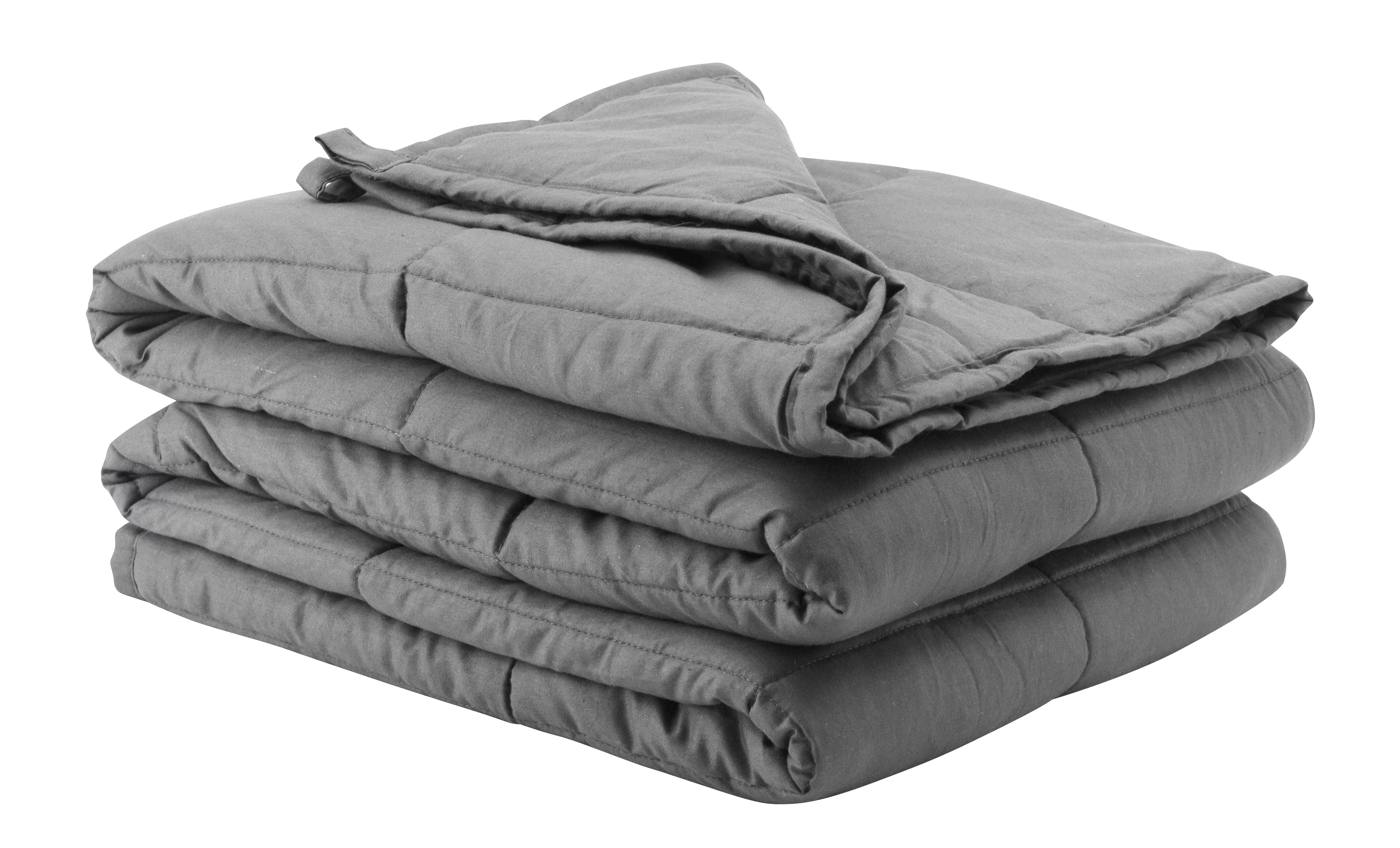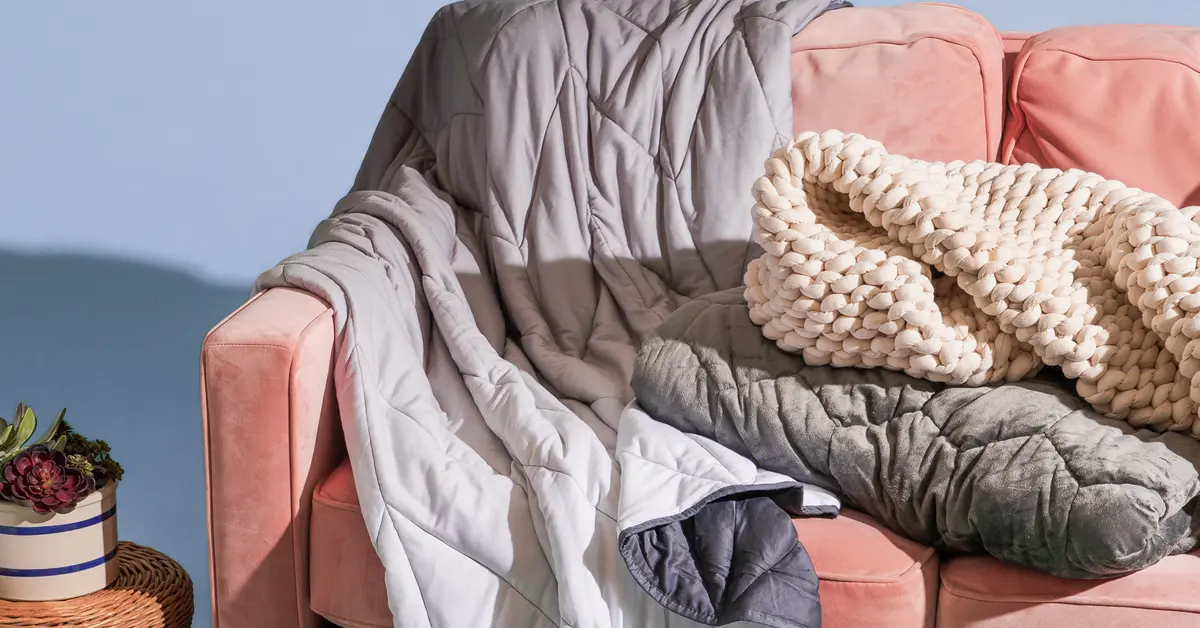

Some duvet covers cost more because of their exact material inputs, fabric construction, size, dyeing or finishing, sewing, certification or traceability work, production scale, distribution, and brand positioning. Price alone does not prove that a cover is better made, more comfortable, more durable, ethically produced, or environmentally preferable.
The useful question is not whether an expensive cover is “luxury.” It is which verifiable features account for the price and whether those features matter to you.
First, compare the correct bedding item
A duvet cover is a removable fabric shell made to hold a separate filled insert. A duvet insert is the filled component that supplies most of the insulation. A comforter is usually a filled, sewn-closed piece intended to be used as one item, although sellers do not always use these names consistently.
This distinction matters when prices look strange. A cover and a comforter are not the same product with one layer removed. They may use different face fabrics, construction methods, finishes, production volumes, and distribution strategies. Check what is included before comparing prices. A listing for a “duvet set,” for example, may contain a cover and shams but no insert.
If the terminology is unfamiliar, see how duvet covers work.
What can raise a duvet cover's price
| Cost factor | What may change | What the price does not prove |
|---|---|---|
| Fiber and yarn inputs | Fiber type and percentage, fiber provenance, yarn size, spinning, ply, and consistency | Softness, durability, cooling, or environmental benefit |
| Fabric construction | Weave or knit, fabric weight, usable width, surface texture, reversible construction, and woven patterns | That a high thread count or material name is superior |
| Size and cutting | Finished dimensions, fabric consumption, panel layout, pattern repeat, pattern matching, and cutting waste | That a size name will fit a particular insert |
| Color and finish | Yarn dyeing, piece dyeing, printing, washing, brushing, mercerizing, coatings, or other finishes | Colorfastness, low shrinkage, or safety unless those outcomes are specified and supported |
| Sewing and hardware | Seam type, stitch work, reinforcement, piping, embroidery, buttons, zippers, ties, loops, and spare parts | That “hand-finished” or a named closure is automatically stronger |
| Verification | Fiber tracing, tests, audits, certification, recordkeeping, and claim approval | That every environmental, labor, chemical, or performance claim is covered |
| Production and selling model | Order volume, small runs, inventory risk, licensing, packaging, shipping, retail margin, and brand positioning | Product quality or fair wages |
These factors can overlap. A large patterned cover may need more cloth and pattern matching. A woven jacquard may require a different loom setup than a printed plain weave. A reversible cover may use two presentation faces. A small production run may spread setup and verification costs across fewer units.
None of that supplies a universal markup or manufacturing-cost formula. Two covers at the same price may allocate their costs very differently, and a higher retail margin can exist without a material or construction upgrade.
Read the specifications as a system
Fiber is only the starting point
In the United States, most covered textile products must disclose fiber content, country of origin, and the identity of the manufacturer or another responsible business. The fiber statement generally lists the generic names and percentages by weight of fibers that make up at least 5% of the product 1.
Start with that statement, not the large material word in the product title. Also keep two kinds of origin separate:
- Manufacturing origin identifies where the finished textile was processed or made under the applicable origin rule.
- Fiber provenance identifies where a claimed cotton, flax, silk, or other input came from.
“Made in” does not by itself establish the origin, grade, or growing method of every fiber.
Cotton, linen, silk, rayon, lyocell, and polyester can each be made into very different fabrics. The fiber name does not reveal yarn size, fabric weight, weave, finish, seam construction, shrinkage, or colorfastness. It also cannot establish which surface will feel best to a particular person.
Cotton names need exact support
“Long-staple” describes a fiber characteristic, while “Egyptian” describes a claimed cotton type or origin. Neither term is a complete fabric specification.
FTC guidance says that if a U.S. fiber-content statement names a cotton type, it must state that type's truthful percentage and make clear when other cotton types are present. A textile containing 50% Egyptian cotton and 50% another cotton cannot be labeled as 100% Egyptian cotton 2.
Even a truthful 100% cotton-type claim does not guarantee a certain weave, yarn quality, fabric weight, finish, feel, or service life. Ask for those details separately.
“Bamboo” often describes the plant source, not the finished fiber
Most soft bedding promoted as bamboo is rayon or viscose made using bamboo as the cellulose source, not mechanically processed bamboo fiber. FTC guidance says it should be described with the manufactured fiber name, such as “rayon made from bamboo” or “viscose made from bamboo.” The agency also says the source plant's antibacterial property does not establish that the processed rayon fabric is naturally antibacterial 3.
Compare the disclosed fiber and construction. Do not treat the word “bamboo” as proof of cooling, low chemical use, antibacterial performance, or an overall environmental advantage.
Thread count has a narrow job
Thread count describes the number of lengthwise and crosswise yarns in a measured area of woven fabric. It does not apply in the same way to every knit or nonwoven construction, and it does not identify the fiber, yarn size, fabric weight, weave, finish, stitching, or shrinkage.
The counting method also matters. FTC staff advised that multiplying the actual woven-yarn count by the number of plies could mislead consumers. It distinguished a disclosure such as a stated thread count with two-ply yarn from simply doubling the advertised count 4.
Use thread count only as one specification when comparing genuinely similar woven fabrics measured the same way. A bigger number is not a durability, comfort, or value grade.
Fabric weight, weave, finish, and care complete the picture
A useful listing should identify enough of the following to predict what you are buying:
- Woven or knitted construction and, when relevant, the named weave
- Fabric weight in grams per square meter or another stated unit
- Single- or multi-layer and reversible construction
- Surface treatments or functional finishes
- Expected dimensional change or preshrinking claim
- Wash, dry, iron, and dry-clean instructions
These details describe trade-offs rather than a ranking. More fabric weight may change drape and bulk. A finish may change the initial hand or care. A delicate fiber or decorative construction may add cost while also adding cleaning restrictions.
Dimensions and sewing can matter more than the material name
“Queen,” “king,” and similar size names are not enough to establish cover-to-insert fit. Compare the cover's finished width and length with the insert's actual dimensions. Then check any stated shrinkage tolerance and whether the maker expects a close, loose, or intentionally oversized fit.
Also inspect:
- Whether the cover uses one broad face or joined panels
- Seam type, seam allowance, straightness, and reinforcement at stress points
- Pattern alignment at the front, back, opening, and shams
- Button spacing, button attachment, spare buttons, or zipper length and shielding
- The location and number of internal ties or snaps
- Whether those attachments match loops on the insert
- Opening width and how easily the insert can be removed for washing
A zipper is not inherently better than buttons, and corner ties are useful only when they suit the insert and the user's preferred setup. The value lies in the execution and compatibility, not the feature name.
Treat certification and marketing words by their exact scope
Certification can add testing, auditing, traceability, and administration to production. It is still necessary to ask what the named standard covers and whether the exact product is included.
For example:
- As checked on July 26, 2026, the GOTS database warned that not every product made or sold by a certified operation is necessarily GOTS certified. It told buyers to check the exact product's complete labeling and the certified operation's scope certificate rather than relying on the company name alone 5.
- Textile Exchange says its Organic Content Standard verifies organically grown content and chain of custody, but does not address chemical use or social and environmental aspects beyond organic-material integrity 6.
- As checked on July 26, 2026, OEKO-TEX Standard 100 covered testing of the certified textile and its components for specified harmful substances, and its certificate number could be checked in the organization's Label Check. That scope does not, by itself, make every organic, wage, carbon, or durability claim 7.
“Organic” therefore needs the fiber percentage, named standard, certification details, and scope. It should not be expanded into an unsupported claim that the whole product is healthier, non-toxic, fairly made, or environmentally superior.
Apply the same discipline to other broad terms:
- Cooling or temperature-regulating: Ask what property was tested, on which finished product, under what conditions, and against what comparison. A fiber name alone does not prove better sleep or prevent overheating.
- Hypoallergenic: Ask which allergen or reaction the claim concerns and what product-specific evidence supports it. The word cannot promise that no user will react to a fiber, dye, finish, detergent residue, or contaminant.
- Non-toxic: Ask which substances and exposure conditions were assessed. FTC environmental guidance says a non-toxic claim needs competent and reliable scientific evidence for safety to people and the environment 8.
- Sustainable, green, or eco-friendly: Look for a specific, measured benefit and its boundary. FTC guidance cautions against broad, unqualified environmental-benefit claims because they convey more than most marketers can substantiate 8.
- Artisan, handmade, or ethically made: Ask which steps were performed by hand, where the work occurred, who verified the account, and what evidence addresses wages and conditions. A story, high price, or small batch does not establish those facts.
- Hotel or luxury: Treat these as positioning words until the seller supplies concrete specifications.
Objective product claims should have evidence that fits the exact claim. FTC policy requires advertisers to have a reasonable basis for express and implied objective claims before making them, with the needed support depending on the claim and consequences of error 9.
A concise value check before buying
| Check | What to verify |
|---|---|
| Correct item | Cover only, cover plus shams, insert, comforter, or another bundle |
| Fiber label | Full generic fiber percentages, any named cotton share, country of manufacture, and responsible business |
| Finished size | Exact width and length, measurement tolerance, expected shrinkage, and compatibility with the actual insert |
| Fabric | Weave or knit, weight, yarn or ply detail when relevant, finish, and whether the construction is single-layer or reversible |
| Sewing | Panel layout, seams, reinforcement, opening, closure, internal attachments, and pattern matching |
| Care | Permitted wash and dry methods, machine-capacity needs, ironing or dry-cleaning requirements, and likely maintenance cost |
| Claims | Test method and result for performance claims; certification name, number, exact product, current validity, and scope |
| Purchase protection | Swatch availability, color and measurement tolerances, return window, return condition, fees, and warranty terms |
A swatch can help with color, texture, and opacity. It cannot establish how a full cover will fit, launder, fade, pill, or wear over years.
If you use cost per use, make it a personal budget calculation: purchase price divided by the number of uses you realistically expect. Include special cleaning or repair costs if they matter. The result does not convert price into a quality score, and an assumed long lifespan should not be treated as fact.
When a lower-cost cover may be the better choice
A lower-cost cover can be the better value when:
- Its dimensions, fiber content, feel, and care fit the household
- The seams and closure are adequate for the intended use
- Easy laundering matters more than delicate material or decoration
- The user is still testing a preferred texture, color, closure, or insert size
- A guest room or occasional-use bed does not need costly details
- A clear return policy reduces the risk of a fit or feel mismatch
Low price does not prove poor construction. It may reflect a simpler fabric, large production run, direct distribution, fewer decorative steps, or lower brand margin. Inspect the same specifications rather than assuming a bargain or a failure.
When paying more may buy something specific
A higher price can be reasonable when it buys a feature you can verify and will use, such as:
- A truthful fiber type, percentage, or provenance that matters to you
- A particular fabric weight, weave, finish, color process, or unusual finished size
- Complex woven patterning, embroidery, piping, reversible construction, or careful pattern matching
- Better-executed seams, reinforcement, closure hardware, or insert attachments that you can inspect
- Product-specific testing, traceability, or certification with a scope you value
- Documented small-run or handwork details
- More suitable care, swatch, return, repair, or replacement terms
Pay for the stated feature, not the implication that every expensive cover must be better. If the seller cannot provide dimensions, fiber percentages, construction details, claim support, or certification information, the price does not fill those gaps.
The bottom line
Duvet covers can be expensive for legitimate material, construction, size, finishing, sewing, verification, production, and distribution reasons. They can also be expensive because of design licensing, scarcity, retail strategy, or brand position.
Compare the cover as a textile product: what it is made from, how the fabric and seams are built, how large it is after care, how it fits the insert, what each claim actually covers, and what happens if it does not work for you. That reveals value more reliably than price, thread count, a material nickname, or the word “luxury.”