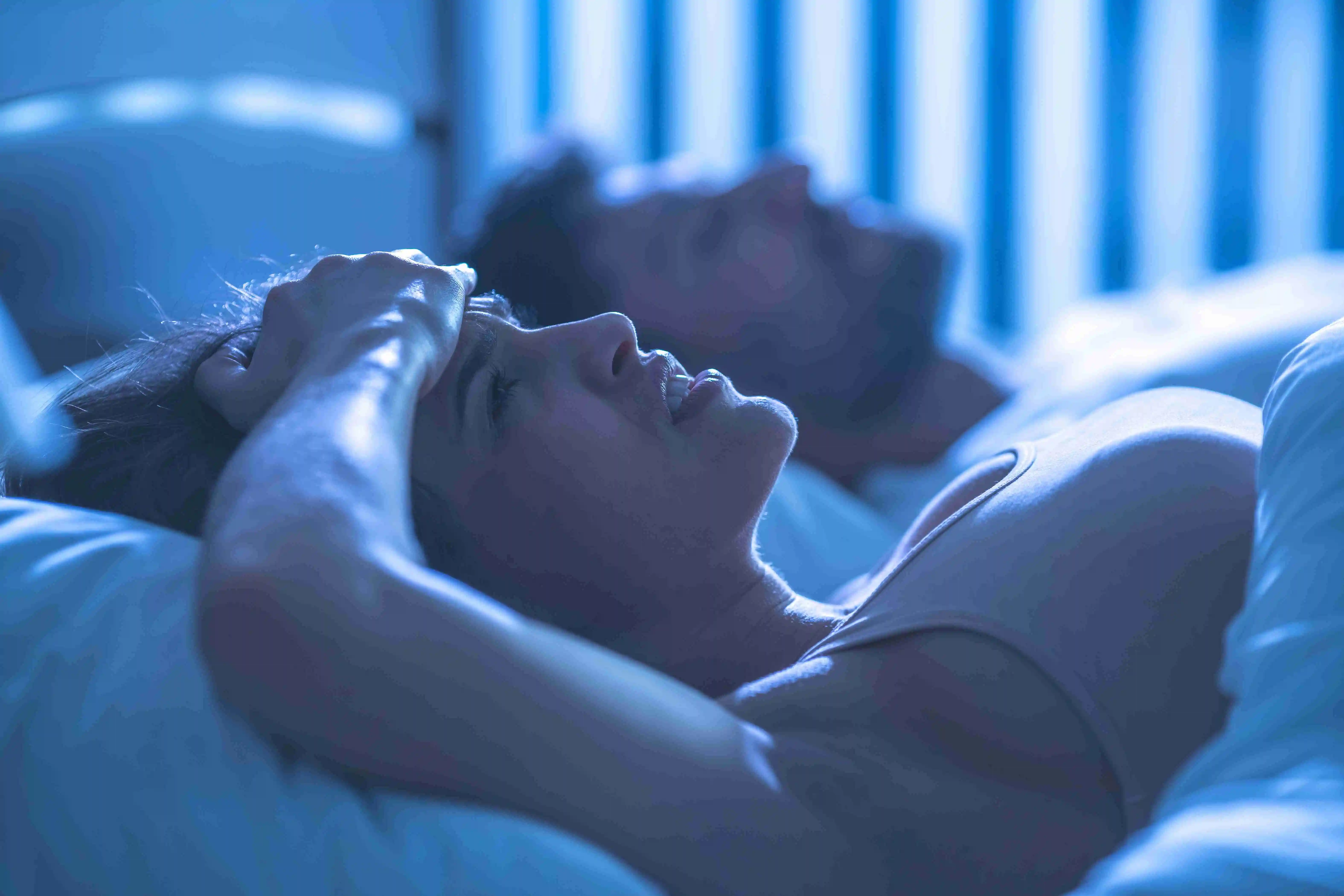


Sleep and mental health often affect each other in both directions. Anxiety, depression, trauma, bipolar disorder, psychosis, ADHD, eating disorders, and dementia can all occur with changes in sleep. In the other direction, persistent insomnia, sleep loss, nightmares, circadian disruption, or severe sleepiness can make coping and daily functioning harder.
That does not mean a sleep problem caused a mental health condition, or that a mental health diagnosis explains every sleep symptom. The two may share causes, such as stress, pain, illness, medication effects, substance use, shift work, or a separate sleep disorder. Good care identifies the actual pattern and treats each problem that needs attention 1.
What a two-way relationship does and does not mean
A two-way, or bidirectional, relationship means that each problem may influence the course of the other. For example, worry may keep someone alert in bed, and repeated poor sleep may leave that person with less capacity to manage worry the next day. Depression may involve insomnia, early waking, or sleeping much longer than usual. Nightmares and hyperarousal may continue even while someone is receiving treatment for trauma 12.
Research also finds that insomnia can appear before some mental health diagnoses. A systematic review of prospective studies found associations with later depression and anxiety, with much less evidence for alcohol misuse and psychosis. The included studies had moderate overall risk of bias, and an association over time cannot show that insomnia alone caused a disorder in a particular person 3.
This distinction matters. Treating sleep may improve sleep and make daytime symptoms easier to manage, but it is not a proven way to prevent every mental illness. It also does not replace treatment for depression, anxiety, PTSD, bipolar disorder, psychosis, an eating disorder, or another condition.
Start by identifying the sleep pattern
“Poor sleep” can describe several different problems. The details point toward different assessments and treatments.
-
Insomnia symptoms include trouble falling asleep, repeated waking, early waking, or feeling unable to sleep despite enough opportunity. Chronic insomnia can become an independent disorder even when stress or a mental health condition helped start it 4.
-
Excessive sleepiness or long sleep is not the same as insomnia. Someone may spend a long time in bed because of depression, medication effects, an irregular schedule, an untreated sleep disorder, or an illness. Others have an uncontrollable tendency to doze despite apparently adequate sleep and need assessment for a hypersomnolence disorder 1.
-
Nightmares and disrupted dreams may occur with trauma, stress, medicines, substances, withdrawal, or a nightmare disorder. Dream content alone cannot diagnose PTSD or reveal a hidden memory 2.
-
Circadian disruption means the timing of sleep is out of step with the schedule a person needs to follow. It can look like insomnia at the expected bedtime and severe difficulty waking, even when sleep is reasonably continuous on a later schedule 5.
-
Short sleep from limited opportunity happens when work, caregiving, pain, the environment, or personal choices leave too little time for sleep. This differs from being unable to sleep despite trying.
-
A decreased need for sleep is different again. A person entering mania or hypomania may sleep very little yet feel unusually energized rather than tired. When this occurs with a markedly elevated or irritable mood, racing thoughts, fast speech, increased activity, or risky behavior, it needs urgent clinical attention 6.
A brief record of bedtime, estimated sleep, awakenings, wake time, naps, sleepiness, mood, energy, medicines, and substance timing can help reveal the pattern. It does not need to be perfect. Stop detailed tracking if it increases anxiety or compulsive sleep checking 4.
How the pattern can differ across conditions
Depression, anxiety, and trauma
Anxiety can make it difficult to relax, shift attention away from possible threats, or disengage from worry. Depression may coincide with insomnia, early waking, excessive sleep, fatigue, or a changed daily rhythm. Sleep loss can also produce irritability, low motivation, and concentration problems that resemble part of a mood or anxiety disorder. A clinician therefore considers the full symptom pattern, duration, impairment, medical history, and substance or medication effects rather than diagnosing from sleep alone 1.
PTSD can include both insomnia and trauma-related nightmares. These sleep problems may persist and deserve their own assessment even when the person is receiving trauma-focused treatment. Evidence for nightmare treatments is mixed, so the choice should reflect the person's diagnosis, preferences, current therapy, and safety rather than a universal nightmare exercise or medicine 2.
Read the focused guides to depression and sleep, anxiety and insomnia, trauma and sleep, and recurrent nightmares for condition-specific detail.
Bipolar disorder and psychosis
Sleep change can be clinically urgent in bipolar disorder. Depression may involve insomnia or oversleeping, while mania often includes a decreased need for sleep alongside increased energy or activity. Simply prescribing an earlier bedtime, restricting time in bed, or starting bright-light treatment without accounting for the mood episode may be inappropriate 6.
Disrupted or reduced sleep can also appear before or during psychosis, but it is not proof of schizophrenia. Psychosis has many possible contributors, including mental and medical conditions, certain medicines, alcohol or drug misuse, and severe sleep deprivation. New hallucinations, delusions, confused speech, loss of contact with reality, or rapidly intensifying suspiciousness needs prompt assessment rather than an attempt to sleep it off 7.
ADHD, eating disorders, and dementia
ADHD and sleep problems commonly overlap, and an independent sleep disorder can produce attention, memory, and impulse-control difficulties that resemble ADHD symptoms. A thorough evaluation helps separate a longstanding developmental pattern from sleepiness, anxiety, depression, medication effects, or another condition 8. See ADHD and sleep for the detailed assessment path.
Eating disorders may coexist with insomnia, circadian disruption, nighttime eating, anxiety, depression, and physical symptoms that disturb sleep. Sleep advice should fit the person's eating-disorder and medical care plan rather than adding food restriction, fasting, supplements, or exercise rules. Our eating disorders and sleep guide covers this in more depth 1.
Dementia can change the sleep-wake pattern, but pain, infection, sleep apnea, medicine effects, and other medical problems can also disrupt sleep. A new or sudden change in an older adult should not automatically be attributed to dementia. A clinician can review the cause and help caregivers weigh nonmedicine and medicine options 9. See dementia and sleep for a caregiver-focused guide.
Do not assume mental health is the only cause
Mental health symptoms and an independent sleep disorder can occur together. Treating only one may leave the other unrecognized.
Ask about sleep apnea when there is frequent loud snoring, witnessed pauses in breathing, gasping, morning headaches or dry mouth, repeated nighttime urination, or substantial daytime sleepiness. A person may not know that breathing stops unless someone else observes it 10. Learn more in our sleep apnea guide.
Ask about restless legs syndrome when there is an urge to move the legs with uncomfortable sensations that begin or worsen at rest, improve temporarily with movement, and are worse in the evening or at night. Medicines, iron status, pregnancy, kidney disease, and other contributors may be relevant, so the answer is not simply to exercise the legs before bed 11.
Ask about a circadian rhythm disorder when sleep and wake times are consistently much earlier or later than required, or when shift work creates insomnia and sleepiness at biologically mismatched times. Treatment depends on the pattern. Bright light, darkness, melatonin, and schedule changes have different effects at different times, so a generic recommendation can shift the rhythm in the wrong direction 5.
Not every sleep clue fits those three categories. Tell the clinician about repeated sleep attacks, injury-causing nighttime behavior, pain, or other unusual symptoms rather than assuming the problem is psychiatric 1.
Treatment should address both sides
The right plan may include mental health treatment, sleep treatment, or both. The two plans should support each other.
Chronic insomnia
Cognitive behavioral therapy for insomnia, or CBT-I, is a structured treatment that combines several methods for the factors that maintain insomnia. It is not the same as receiving a list of sleep-hygiene tips. The 2025 VA/DoD guideline recommends CBT-I for chronic insomnia and recommends against sleep hygiene as a stand-alone treatment 4.
A meta-analysis of 22 randomized trials found that CBT-I improved insomnia in adults who also had mental disorders. Effects on the mental health condition itself were less consistent, especially at follow-up, and the evidence for bipolar disorder and psychosis came from very few studies. This supports CBT-I as an insomnia treatment that can complement mental health care, not as a replacement for it 12.
CBT-I may need adaptation or different timing during mania or hypomania, current suicidal intent, severe instability, or some phases of trauma treatment. A trained clinician can decide whether to use the full program, modify a component, or first stabilize another condition 42. Read our chronic insomnia guide for a fuller explanation.
Mental health treatment
Psychotherapy, medication, and condition-specific care can reduce symptoms that interfere with sleep. Sleep improvement alone does not establish that depression, anxiety, PTSD, bipolar disorder, psychosis, ADHD, or an eating disorder is adequately treated. Follow-up should review both nighttime symptoms and daytime mood, thinking, energy, safety, and functioning.
Medicines used for mental health conditions can affect sleep in different ways. A stimulant may delay sleep for one person, while a sedating medicine may contribute to morning impairment for another. The timing, dose, interactions, diagnosis, and individual response matter. Do not skip, stop, taper, or retime a prescribed medicine without the prescriber or a pharmacist, particularly antidepressants, antipsychotics, mood stabilizers, benzodiazepines, and stimulants 13.
Alcohol, nonprescribed drugs, and over-the-counter sedating products can change sleep or interact with treatment. Tell the clinician what is being used, how much, and when. Do not try to manage severe insomnia or a changing mental state by combining sleep aids or increasing a dose 113.
A cause-led next step
Instead of trying a long list of sleep tips, work through the decisions that can change care:
-
Name the main sleep problem. Is it trouble sleeping, a shifted schedule, nightmares, excessive sleepiness, long sleep, unusual behavior, breathing symptoms, or a decreased need for sleep?
-
Check the timeline. Note what began first and whether the change followed a stressful event, mood change, illness, pain flare, work schedule, travel, medication adjustment, or change in alcohol or another substance.
-
Review mental health and safety. Look beyond the night to mood, anxiety, energy, impulsivity, reality testing, self-care, suicidal thoughts, and the ability to function.
-
Review medicines and substances with a clinician or pharmacist. Bring the exact names, doses, formulations, and timing. Continue prescribed treatment unless the care team says otherwise.
-
Screen for an independent sleep disorder. Breathing pauses, leg discomfort relieved by movement, a persistent timing mismatch, sleep attacks, dream enactment, or marked sleepiness can redirect the assessment.
-
Choose treatment for the identified problem. That might mean CBT-I, trauma-focused care, a medication review, sleep-apnea testing, circadian treatment, or coordinated mental health care. A calm routine can support treatment, but it is not a substitute for finding the cause.
-
Set a follow-up point. Review whether sleep, daytime symptoms, and safety are improving. If one improves while another worsens, the plan needs reassessment.
While waiting for care, protect a realistic opportunity for sleep, keep the environment safe, and avoid driving or hazardous work when severely sleepy or cognitively impaired. Avoid abrupt light schedules, aggressive sleep restriction, new sedating products, or unplanned medication changes when mood or behavior is unstable 104.
When to seek urgent help
Get urgent same-day mental health or medical assessment for:
-
Sleeping very little without feeling tired, together with unusual energy, marked irritability or elation, racing thoughts, fast speech, increased activity, or risky behavior 6
-
New or intensifying hallucinations, delusions, severe suspiciousness, confused speech, extreme agitation, or a loss of contact with reality 7
-
Near-total inability to sleep with rapidly worsening mood, behavior, judgment, or ability to function 67
-
A severe medication reaction, dangerous intoxication, or possible withdrawal from alcohol, benzodiazepines, or another sedating substance. Abrupt alcohol or benzodiazepine withdrawal can become life-threatening 1415
-
Sleepiness or confusion that makes driving, operating equipment, caring for another person, or staying physically safe unreliable 107
Get emergency help now if there is suicidal intent or a plan, a suicide attempt, self-harm, a threat of harm to someone else, or an inability to stay safe. Contact local emergency services or go to the nearest emergency department. If someone says they intend to die by suicide, do not leave them alone when it is safe for you to stay, do not promise secrecy, and involve a trusted person or professional 16.
Sleep can be an important treatment target, but it is one part of the full picture. The goal is not to make sleep carry the burden of treating a complex condition. It is to identify the sleep problem accurately, address causes that can be changed, and coordinate care around the person's mental health, medical needs, and safety.