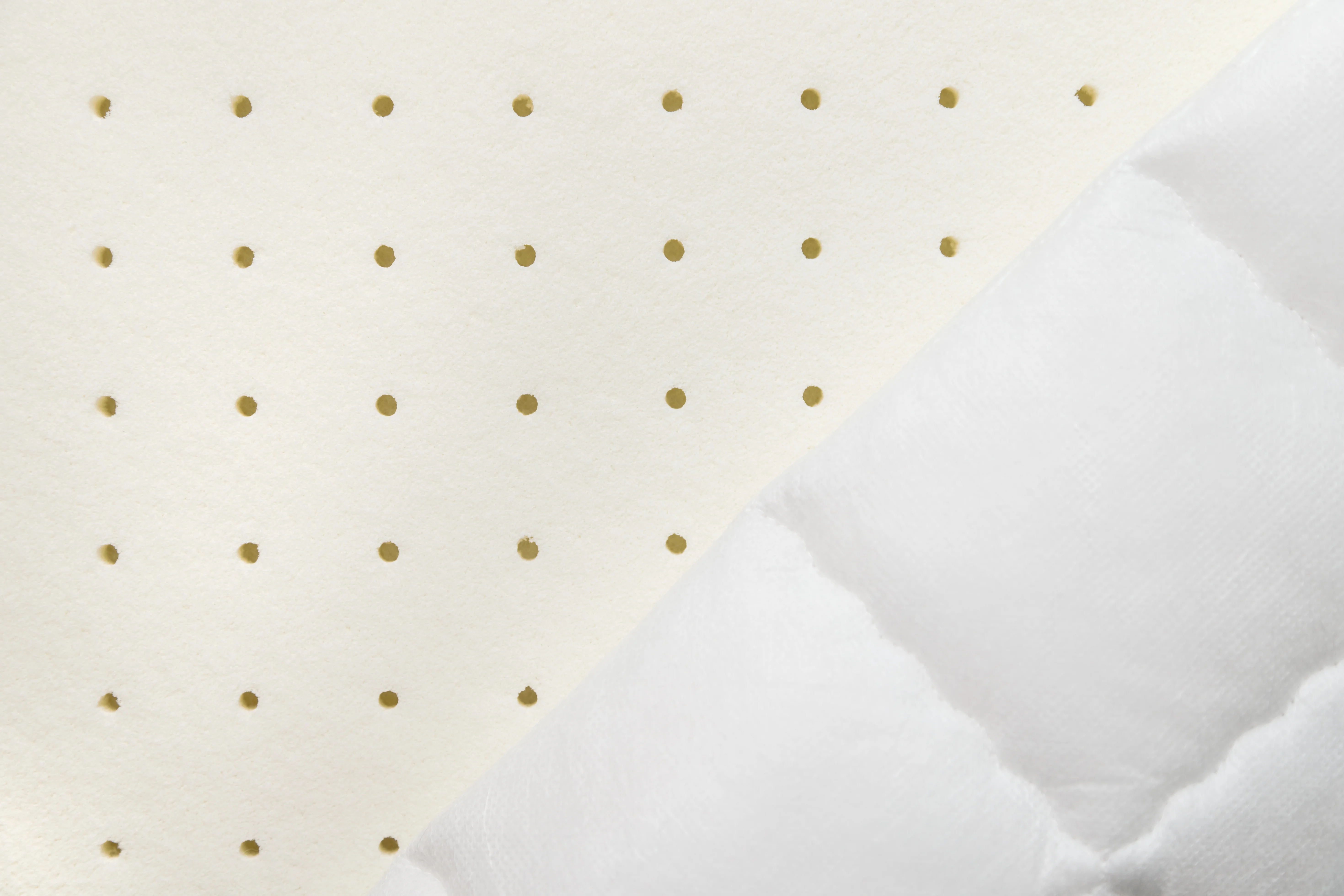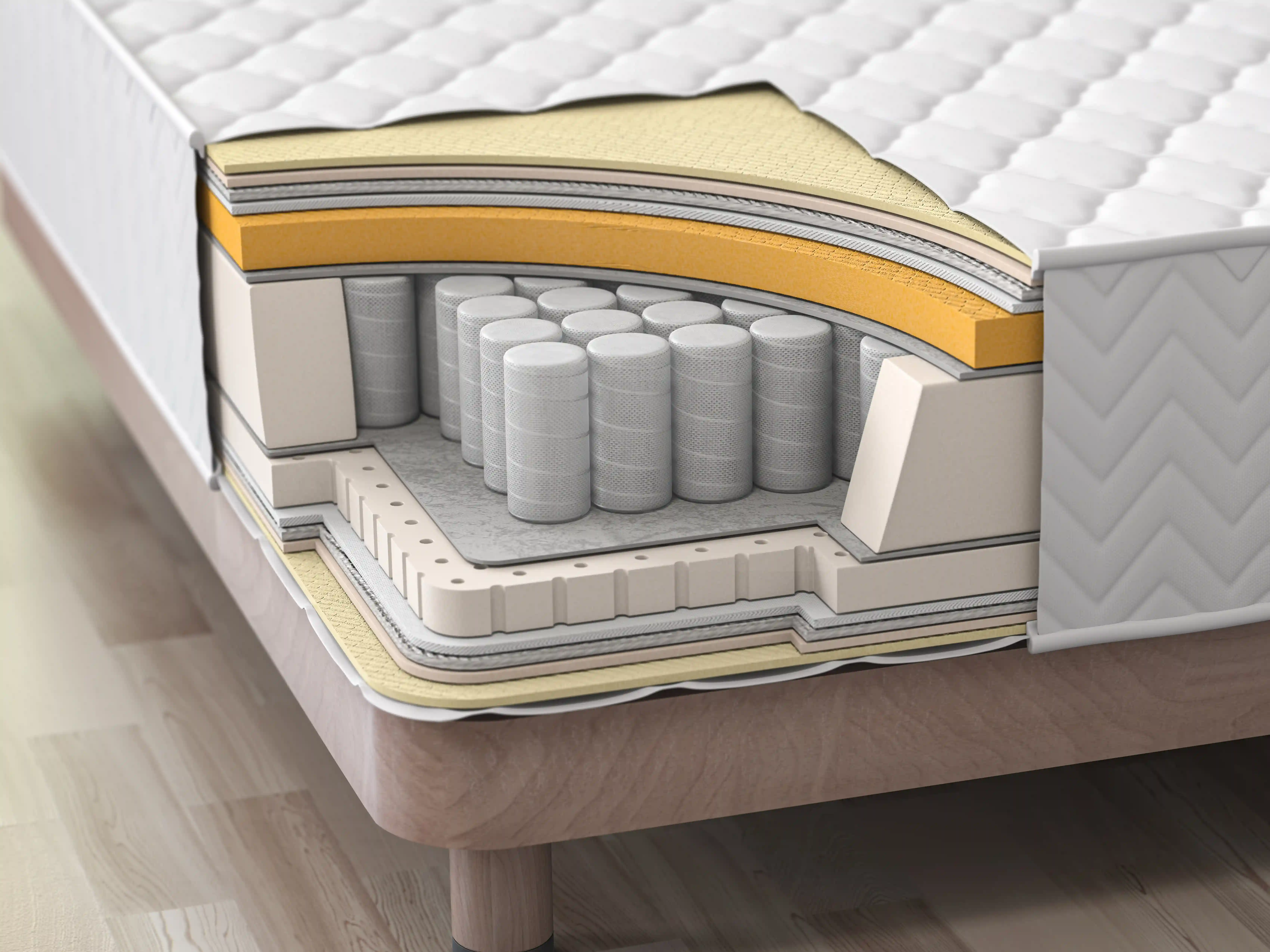

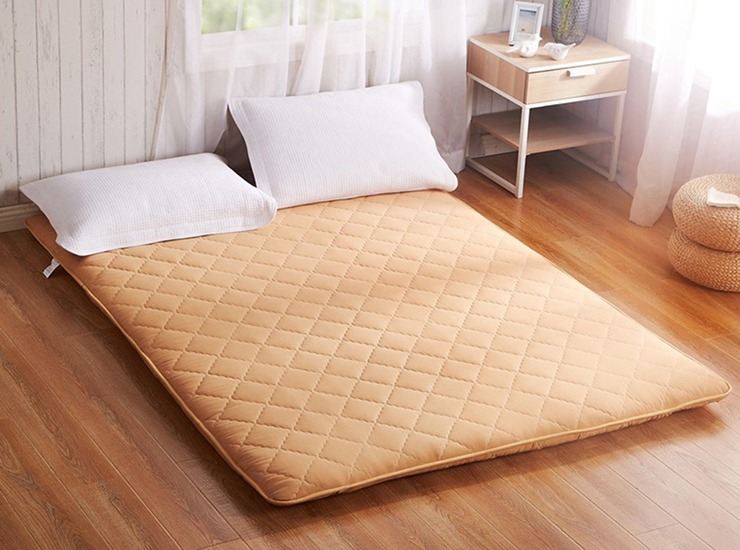
An air mattress is not the only way to make a temporary bed. A folding foam mattress, floor futon, folding guest bed, sleeper sofa, camping cot, or closed-cell camping pad may be a better fit, depending on where it will be used and how often.
No alternative is automatically more supportive or comfortable. A thick foam pad can still feel too soft, a cot can sag, and a sleeper sofa can have noticeable seams. Start with the use case, then compare floor height, stored size, setup, weight capacity, moisture, and how frequently the manufacturer says the product can be used.
Air mattress alternatives at a glance
| Option | Sleep height | Storage and transport | Setup | Main tradeoff |
|---|---|---|---|---|
| Trifold foam mattress | On or near the floor | Folds, but remains bulky | Unfold | Foam feel and seams vary; underside needs airing |
| Floor futon | On the floor | Rolls or folds; needs closet space | Unroll | Firm feel and low height do not suit everyone |
| Folding guest bed or rollaway | Raised | Heavy and tall when folded | Unfold and lock | Frame, wheels, hinges, and thin mattress can wear |
| Sleeper sofa or daybed | Raised | Permanent furniture | Clear and convert | Heavy, costly, and not portable |
| Fabric camping cot | Raised | Usually long or bulky when packed | Unfold or assemble | Check frame capacity, tent footprint, and insulation |
| Closed-cell foam camping pad | On the ground | Light, but often bulky outside a pack | Unroll or unfold | Thin and firm; warmth matters more than plushness outdoors |
| Standard mattress and base | Depends on base | Not portable | One-time setup | Requires dedicated space but suits repeated use |
A mattress topper is not automatically a stand-alone mattress. Many are designed to change the feel of an existing bed, not support a sleeper directly on the floor. Check the maker's intended use before treating one as a guest bed.
For an occasional overnight guest
A trifold foam mattress works when the sleeper is comfortable near the floor and you have a closet, under-stair area, or other dry place large enough for the folded block. It deploys without a pump and cannot lose air overnight. Comfort depends on foam thickness, firmness, body weight, and whether the fold seams can be felt.
A folding guest bed or rollaway is the more practical category when floor clearance matters. It may be easier for many adults to get into and out of, and bedding stays farther from dust and cold flooring. The tradeoff is a heavier frame, more storage space, and several moving parts.
Before buying either option, ask the guest whether a low bed is workable. Then check:
-
open dimensions, including walking space around it
-
folded dimensions and whether it fits through the storage route
-
the manufacturer's total weight capacity
-
whether a folding frame locks open
-
whether the mattress or cover can be cleaned or replaced
-
whether the maker describes it as occasional or regular-use furniture
A product labeled “twin” may not match standard twin bedding, so compare actual dimensions rather than relying on the name.
For frequent hosting
If guests stay often, repeated setup and long-term wear matter more than minimum packed size. A daybed gives you a conventional mattress surface and can serve as seating when styled with cushions. A sleeper sofa or convertible futon keeps the bed inside a piece of everyday furniture. Both take permanent floor space and are difficult to move.
A rollaway can work when you have a dedicated storage closet and want a raised bed without permanent guest-room furniture. Inspect the wheels, frame locks, deck or slats, and mattress before each use. Replacement availability matters if the frame may outlast the thin mattress.
For any framed option, the stated capacity applies to the whole bed, not an assumed amount per side. Check how the manufacturer defines the load and whether sitting on the edge, sharing the bed, or using a thicker replacement mattress changes the instructions.
For a small apartment or multipurpose room
A floor futon, sometimes called a Japanese-style futon or shikibuton, can be rolled or folded after use. A trifold mattress forms a larger block but may also double as a low seat if the manufacturer shows that configuration.
These options free the room during the day, but they do not disappear. Measure the actual folded package and decide where it will air out before assigning closet space. Vacuum compression is not a universal storage solution because repeated compression or long-term sealed storage may conflict with product care instructions.
A daybed is less portable but may be the cleaner choice when the room needs seating every day and a bed every week. The decision is mostly about whether you can dedicate floor space or would rather handle daily folding and storage.
Watch for moisture under floor bedding
A mattress or futon placed directly on a cool floor can have limited airflow underneath. Humidity, spills, and condensation can leave materials damp. The Environmental Protection Agency recommends controlling indoor humidity and drying wet materials within 24 to 48 hours to reduce mold growth 1.
Follow the product's care directions. As practical maintenance, lift and air floor bedding regularly, allow it to dry fully before storage, and inspect the underside and floor. Do not place absorbent bedding over a known damp surface.
For camping or sleeping in a vehicle
Closed-cell foam pad
A closed-cell foam pad avoids valves, pumps, and punctures. It is quick to deploy and often light enough for backpacking, but it is thin and can be awkward to carry outside a pack. Folding panels pack differently from rolled foam, so compare the packed shape with your backpack, tent, or cargo area.
Outdoors, insulation from the ground matters as much as cushioning. ASTM F3340 provides a standardized way to measure the thermal resistance, or R-value, of camping mattresses, including closed-cell foam pads. The value is useful for comparison, but the standard notes that real-world warmth can differ with edge heat loss, compression, and sleeping position 2.
Compare an ASTM-tested R-value when the manufacturer provides one, then match the full sleep system to the expected weather. A sleeping bag and a ground pad do different jobs. The National Park Service notes that a pad adds cushioning and helps prevent moisture beneath the sleeper from carrying away heat 3.
Camping cot
A cot raises the sleeper above rocks, roots, and wet ground and can create storage space underneath. It also adds weight, occupies more tent area, and may require practice to assemble. Air moving beneath a cot can feel cold, so a suitable insulating layer may still be needed.
Check the cot's open footprint against the tent floor, not just the advertised sleeper length. Follow the manufacturer's limits for user weight, number of occupants, level setup, frame locks, and indoor or outdoor use. A two-person label does not replace a stated total capacity.
Car or SUV sleep platform
A cut-to-fit closed-cell pad or folding foam mattress can work on a flat, supported cargo platform. Measure usable length with the seats positioned as they will be overnight, leave a clear exit, and make sure the platform cannot shift.
Check whether overnight vehicle camping is allowed at the site. Never run a portable gas camp stove or burn charcoal inside a vehicle, tent, or other enclosed sleep space. Follow the manufacturer and campsite safety rules for any heater or lantern. Carbon monoxide is odorless, and a sleeping person may be overcome before noticing symptoms. The CDC also advises maintaining the vehicle exhaust system and warns that exhaust can enter an SUV when only the tailgate is open 4.
For temporary relocation or a move
The right answer depends on whether “temporary” means a weekend, several weeks, or an uncertain number of months.
A folding foam mattress is easy to move between rooms and does not need a frame. A folding guest bed offers more clearance but is harder to transport. If the arrangement will continue for months, a basic standard mattress on a compatible platform may create less daily setup and may better match the product's intended use.
Before choosing, compare:
-
how many nights the surface will be used
-
whether you can store or move it at the end
-
whether the warranty permits floor use or requires a specific base
-
how covers and bedding will be washed
-
whether replacement foam, fabric, slats, or hardware are available
“Portable” does not always mean light. Check item weight as well as packed dimensions, especially when stairs or public transportation are part of the move.
For children
For an older child who has outgrown infant sleep products, a low folding mattress may reduce the height of a possible fall, while a framed bed keeps bedding off the floor. Neither category is right for every child. Follow the product's stated age and weight limits, make sure folding parts are locked or inaccessible, and keep a clear path around the bed.
Adult floor mattresses, foam toppers, cots, and sleeper sofas are not substitutes for a safe infant sleep space. The U.S. Consumer Product Safety Commission advises using a crib, bassinet, play yard, or bedside sleeper that meets federal requirements, with the baby flat on their back and the sleep space bare except for a fitted sheet 5.
When traveling with an infant, bring or arrange an approved infant sleep product rather than improvising with the host's guest-bed alternative.
For longer-term sleeping
Temporary surfaces can be useful, but a product that folds small may trade away mattress thickness, edge stability, replaceable parts, or durability. If a bed will be used most nights, compare a standard mattress and compatible base with the temporary options before prioritizing storage.
That does not mean a floor futon or folding mattress is automatically unsuitable. Look for a manufacturer that explicitly describes the intended frequency of use, gives care and support instructions, and provides a meaningful warranty. Comfort is individual, so a return or trial policy may be more useful than claims that one material is universally supportive.
How to choose without relying on “best” lists
Use this order:
-
Name the scenario. Occasional guest, weekly guest, camping, temporary housing, or nightly use each points to a different level of durability and setup effort.
-
Set the required height. Floor bedding stores more easily, while a raised surface may suit a guest who has difficulty getting down to the floor.
-
Measure twice. Record open dimensions, folded dimensions, storage route, tent or vehicle footprint, and clearance around the bed.
-
Read the instructions before buying. Confirm total weight capacity, age limits, locking steps, approved mattress thickness, foundation needs, and indoor or outdoor use.
-
Plan for moisture and cleaning. Decide where the surface will dry and whether its cover is removable.
-
Test the full setup. Assemble it before a guest arrives or before leaving for a trip, then lie on it long enough to notice seams, sagging, movement, or noise.
The most suitable air mattress alternative is the one that fits the actual sleeper, space, storage, and frequency of use without asking a temporary product to do a permanent job.